Why It Matters
The project demonstrates how modular, space‑saving design can revitalize small mall locations, boosting foot traffic and sales potential for fashion retailers. It signals a shift toward adaptable, experience‑focused retail environments in increasingly constrained commercial real estate.
Key Takeaways
- •23 m² corner unit transformed into immersive fashion boutique
- •Dual base‑primary structure blends existing framework with prefabricated metal frames
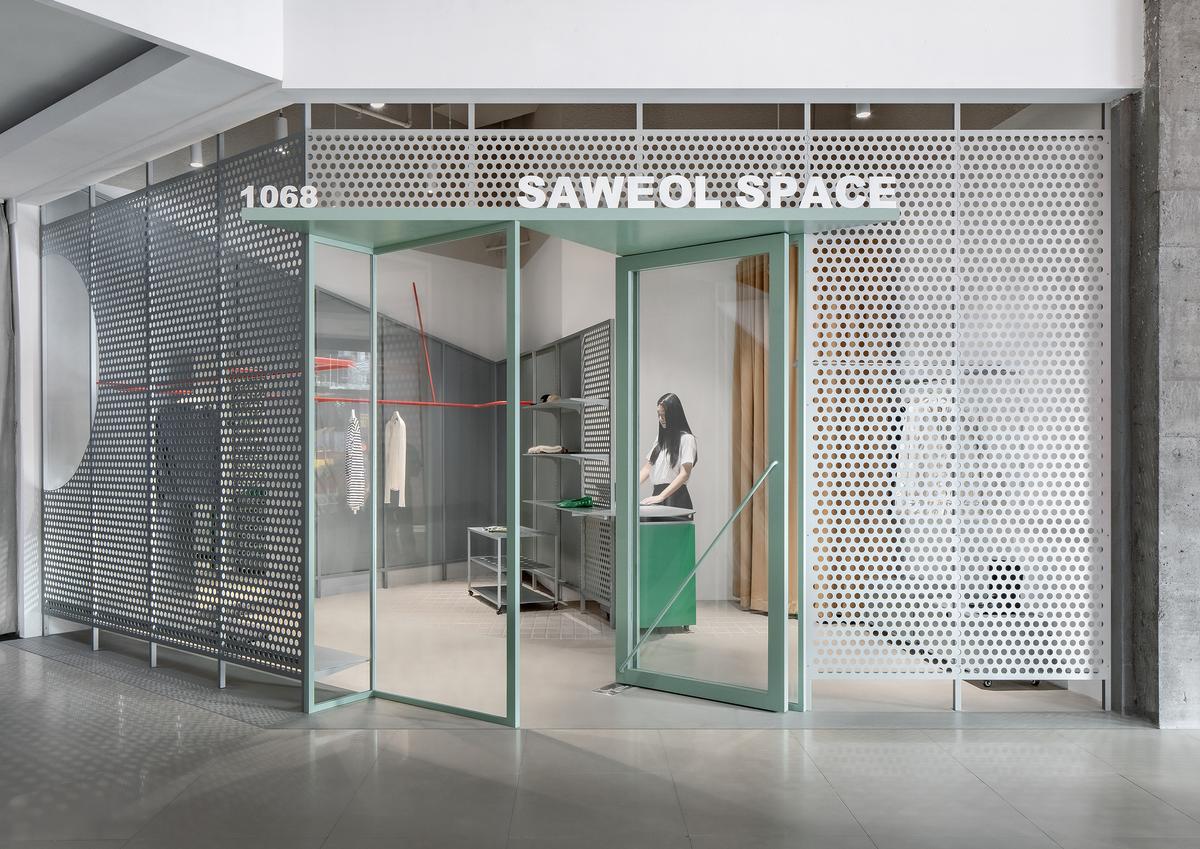
- •Perforated panels create layered garment displays and visual intrigue
- •Circular floor patterns guide shopper flow within compact space
- •Integrated fitting rooms and staff zones maximize functional efficiency
Pulse Analysis
The Saweol Space concept illustrates a growing trend toward modular retail architecture that leverages existing building shells while injecting prefabricated elements for speed and cost efficiency. By retaining the base structure and overlaying a lightweight metal frame, designers reduce construction waste and shorten fit‑out timelines—critical advantages for mall operators facing high vacancy rates. This approach aligns with broader industry moves toward off‑site fabrication, which promises tighter quality control and lower labor exposure, especially in post‑pandemic supply chains.
Beyond construction efficiency, the boutique’s spatial choreography enhances the shopper experience. Perforated panels partially conceal garments, encouraging curiosity and repeat visits, while the recessed entrance with mannequin displays provides clear wayfinding in a high‑traffic atrium. Circular floor patterns break the orthogonal monotony of typical mall corridors, subtly steering foot traffic past key merchandise zones. Such experiential design elements are increasingly vital as retailers compete with e‑commerce, using tactile discovery and immersive environments to differentiate brick‑and‑mortar offerings.
For mall owners and fashion brands, the Saweol Space model offers a replicable blueprint for maximizing revenue per square foot in underutilized corners. The layered volume strategy creates distinct back‑of‑house zones without expanding the footprint, preserving valuable retail area for product display. Moreover, the use of prefabricated metal frames and simplified finishes supports sustainability goals by reducing material waste and energy consumption during construction. As urban retail spaces become scarcer, compact yet highly functional concepts like Saweol Space will likely shape the next wave of mall revitalization projects.
Saweol Space / Atelier Siyu
Comments
Want to join the conversation?
Loading comments...