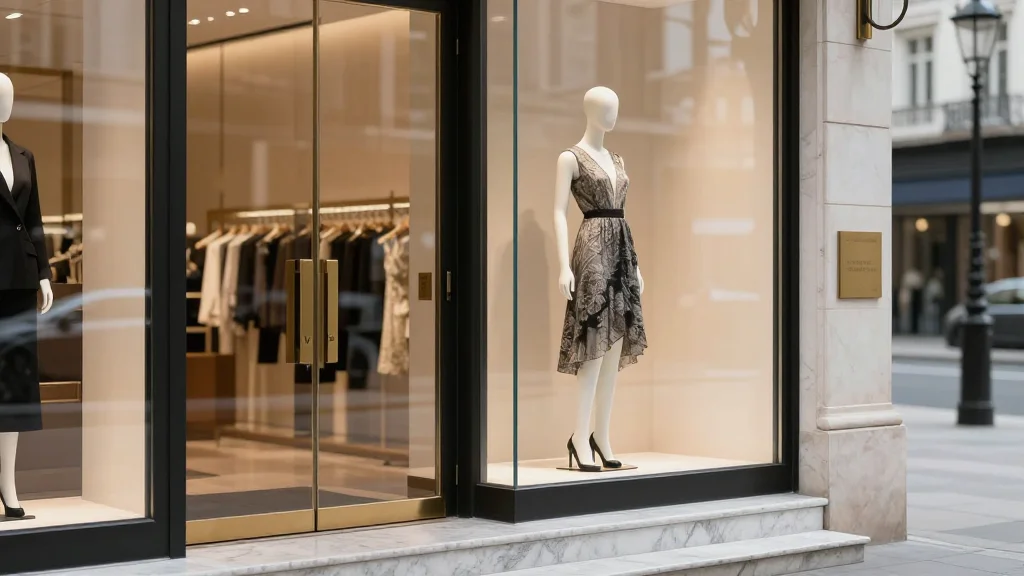
Shaken By A Slowdown, Luxury Retailers Focus On Just 3 U.S. Cities
Why It Matters
The consolidation reinforces the dominance of historic luxury districts, reshaping lease dynamics and limiting growth opportunities for brands outside the elite corridors.
Key Takeaways
- •80% of 2025 luxury openings occurred in five US corridors
- •LVMH revenue fell 5% last year; shares dropped 28% in Q1
- •Prime rents jumped 10% nationwide, 40% on Madison Avenue
- •Vacancy rate for luxury space sits at roughly 4.5% across U.S.
- •Saks and Kering announced closures of multiple flagship stores this year
Pulse Analysis
The luxury sector’s recent contraction reflects a broader K‑shaped recovery, where affluent consumers retain spending power while middle‑income shoppers turn to discount alternatives. After a pandemic‑driven boom that lifted the market to $115.2 billion in 2024, brands attempted to capture aspirational buyers in secondary cities such as Atlanta and Dallas. Rising inflation, a fragile job market, and geopolitical tensions—exemplified by the war in Iran—have reversed that expansion, prompting retailers to double down on the high‑net‑worth corridors that historically generate the most foot traffic and brand equity.
Financial pressure is evident in the earnings reports of industry giants. LVMH’s revenue slipped 5% year‑over‑year, and its stock tumbled 28% in the first quarter, while Kering’s top line has fallen 25% since its 2022 peak. At the same time, prime retail rents have surged, with Madison Avenue asking prices climbing from $623 to $894 per square foot—a 40% increase—while Rodeo Drive commands $1,100‑$1,400 per square foot. Vacancy rates remain low at roughly 4.5% for luxury space, meaning any available storefront is quickly absorbed at a premium, further tightening the market.
Developers seeking to create new luxury hubs face an uphill battle. The halo effect of established districts—where a Rolex next to Hermès signals prestige—cannot be easily replicated in emerging locales. Successful clusters require a critical mass of marquee brands willing to co‑locate, a demographic base that already supports high‑end spending, and the willingness to pay elevated rents. As a result, many brands are opting to consolidate within the tried‑and‑true corridors, leaving new luxury districts to evolve slowly, if at all. This concentration may limit geographic diversification but reinforces the cultural cachet of the nation’s most iconic shopping streets.
Shaken By A Slowdown, Luxury Retailers Focus On Just 3 U.S. Cities
Comments
Want to join the conversation?
Loading comments...