Six Senses to Open Heritage‑Focused Wellness Hotel in Beijing’s Haidian District

Companies Mentioned
Why It Matters
The Six Senses Beijing project signals a shift in luxury hospitality toward regenerative tourism, where preserving cultural assets and environmental stewardship are as important as delivering high‑end amenities. For investors and operators, the development offers a blueprint for leveraging historic urban districts to create differentiated luxury experiences that resonate with affluent travelers seeking authenticity and wellness. In the broader Chinese market, the hotel underscores the growing appetite for upscale wellness destinations that can blend modern luxury with deep cultural narratives. Success could encourage other global brands to pursue similar heritage‑centric projects, potentially reshaping the competitive dynamics of luxury hospitality in Asia.
Key Takeaways
- •Six Senses signs a partnership with Beijing Zhongguancun Avenue Construction & Development Group for a 75‑suite hotel in Haidian District.
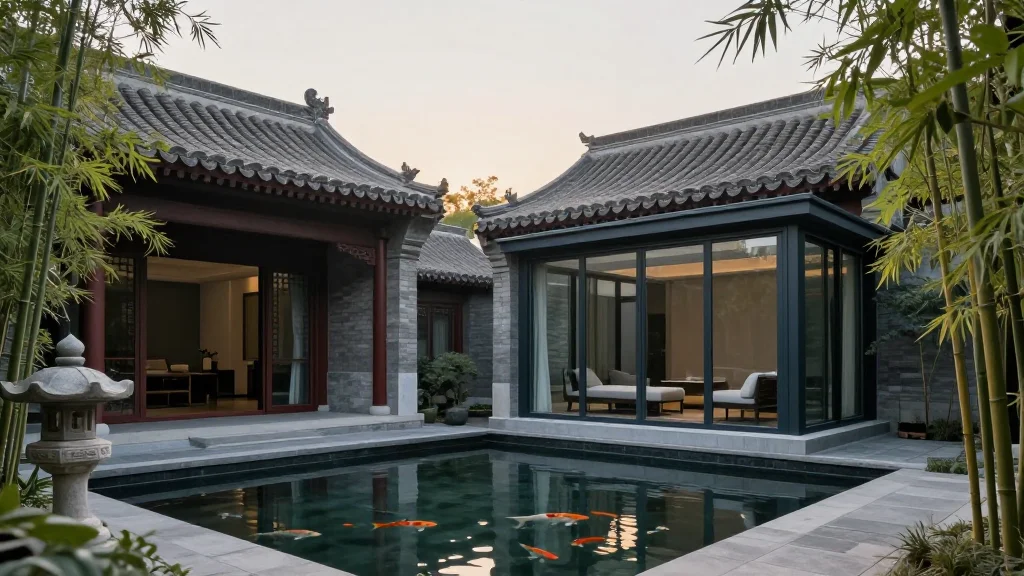
- •The hotel will reinterpret traditional siheyuan courtyards and restore imperial rice paddies and lotus ponds.
- •Project is part of the Liulangzhuang regeneration, linking the site to the Summer Palace and Qing‑dynasty heritage.
- •Six Senses Beijing becomes the brand’s second Greater China property, expanding its regenerative hospitality portfolio.
- •Opening expected within three to four years, targeting post‑pandemic luxury wellness travelers.
Pulse Analysis
Six Senses’ Beijing venture illustrates how luxury brands are redefining value creation by embedding heritage and sustainability into their core offering. Historically, high‑end hotels have relied on location prestige and service excellence; today, the narrative has expanded to include environmental impact and cultural stewardship. By anchoring the hotel in a district steeped in imperial history, Six Senses not only taps into a unique storytelling asset but also aligns with Chinese government priorities around urban renewal and cultural preservation.
The partnership model—combining a global luxury operator with a local construction and development group—mitigates risk and accelerates regulatory approvals, a critical advantage in China’s tightly controlled real‑estate environment. If the project delivers on its regenerative promises, it could set a new benchmark for luxury hospitality, prompting competitors like Aman, Rosewood and Mandarin Oriental to accelerate similar heritage‑focused initiatives. Conversely, any shortfall in delivering the promised wellness and sustainability outcomes could reinforce skepticism about the commercial viability of regenerative luxury, especially in markets where price sensitivity remains high despite rising affluence.
Looking ahead, the success of Six Senses Beijing will likely influence capital allocation decisions across the sector. Investors may prioritize projects that demonstrate a clear integration of cultural assets, sustainability metrics and premium pricing power. As affluent travelers increasingly demand experiences that are both restorative and responsible, the luxury hospitality industry is poised for a wave of developments that echo Six Senses’ Beijing blueprint, potentially reshaping the competitive landscape for the next decade.
Six Senses to Open Heritage‑Focused Wellness Hotel in Beijing’s Haidian District
Comments
Want to join the conversation?
Loading comments...