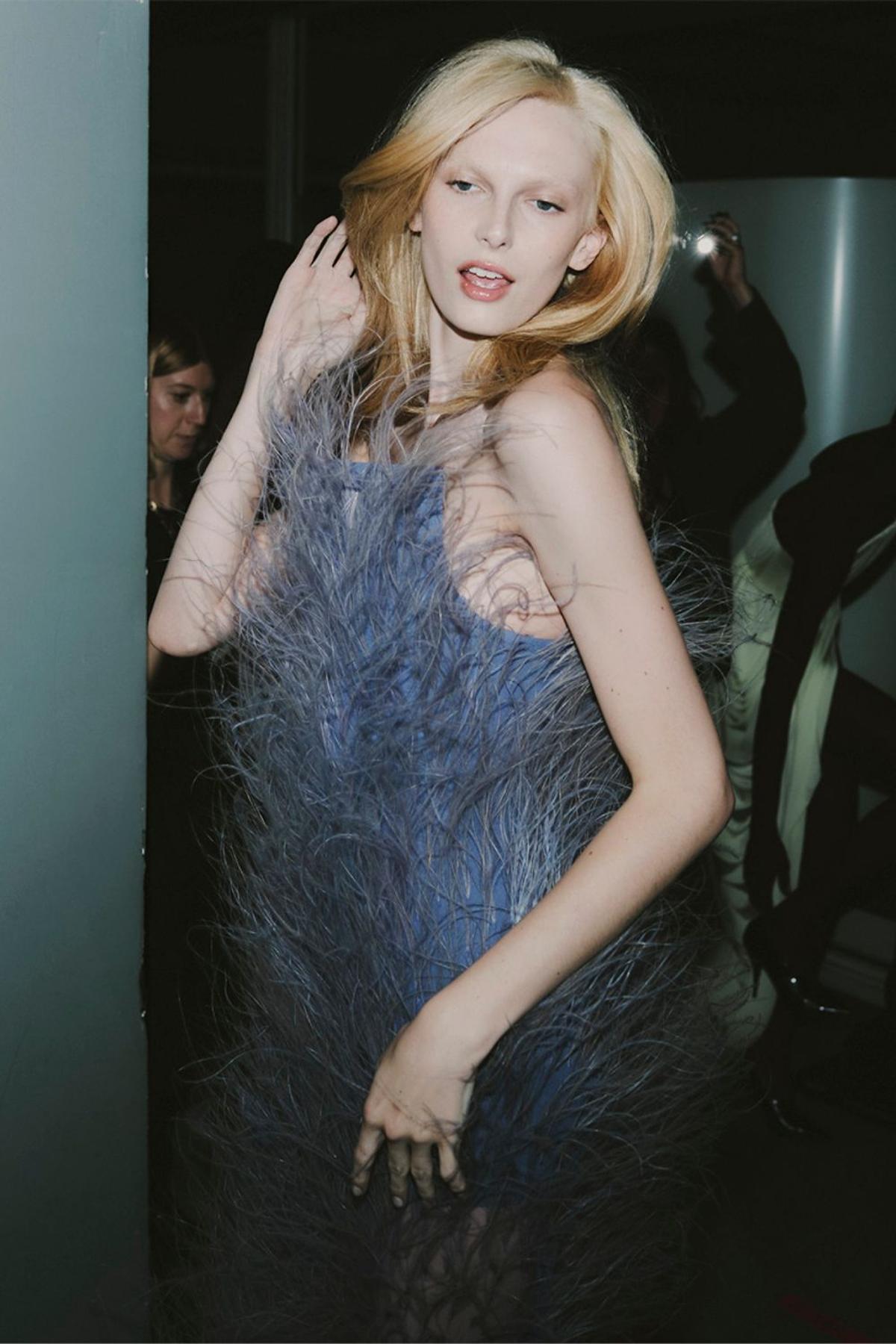
Stella McCartney Continues To Ruffle Feathers For All The Right Reasons
Why It Matters
The debut proves a viable, sustainable substitute for animal feathers, opening a new material category for fashion and beyond. It pressures brands that still rely on traditional feathers to adopt cruelty‑free alternatives, accelerating industry‑wide sustainability shifts.
Key Takeaways
- •Stella McCartney unveiled plant‑based feather alternative in Paris SS26 show
- •FEVVERS material mimics feather lightness while eliminating animal cruelty
- •Red‑carpet debut featured Cate Blanchett in FEVVERS gown at 2025 BAMBI Awards
- •Industry sees potential for plant‑based feathers across fashion and other sectors
Pulse Analysis
Stella McCartney’s partnership with FEVVERS marks a pivotal moment in sustainable fashion, extending her 30‑year crusade against animal‑derived materials into the feather market. While leather and fur have long been scrutinized, feathers have lingered in a regulatory gray zone, with ostrich farms often resorting to live‑plucking and early‑life slaughter. By replacing real feathers with a plant‑based composite that retains the iconic lightness and fluidity, McCartney not only mitigates animal suffering but also cuts the carbon and methane emissions associated with ostrich farming, which PETA estimates at 62,000 tonnes of CO₂ annually.
The technical achievement behind FEVVERS lies in engineering vegan fibers that replicate the structural properties of avian plumage. Co‑founders Nicola Woollon and James West leveraged bio‑based polymers to create a lightweight, breathable sheet that can be dyed and textured without the carcinogenic chemicals traditionally used in feather processing. Early runway feedback highlighted the material’s versatility—designers can achieve dramatic silhouettes while maintaining sustainability credentials. This breakthrough could inspire a cascade of innovation, prompting material scientists to explore plant‑derived alternatives for other niche animal products, such as silk and cashmere.
Beyond haute couture, the commercial implications are significant. Red‑carpet visibility, exemplified by Cate Blanchett’s appearance at the BAMBI Awards, signals mainstream acceptance and offers a compelling narrative for luxury brands seeking to align with eco‑conscious consumers. As FEVVERS moves from prototype to scalable production, its adoption could extend to ready‑to‑wear, accessories, and even non‑fashion sectors like interior décor. The emergence of a new, cruelty‑free feather category underscores a broader industry shift: sustainability is no longer a niche add‑on but a core driver of product development and brand differentiation.
Stella McCartney Continues To Ruffle Feathers For All The Right Reasons
Comments
Want to join the conversation?
Loading comments...