Switzerland Just Lifted the Racing Ban It Passed After the 1955 Le Mans Disaster
Companies Mentioned
Why It Matters
Reinstating circuit racing could attract global motorsport events, boosting tourism, investment, and the domestic automotive ecosystem. The decentralized cantonal approval model also tests Switzerland’s ability to balance local autonomy with national branding.
Key Takeaways
- •Switzerland ends 71‑year motorsport ban effective July 1
- •Cantons now decide on closed‑track racing within their jurisdictions
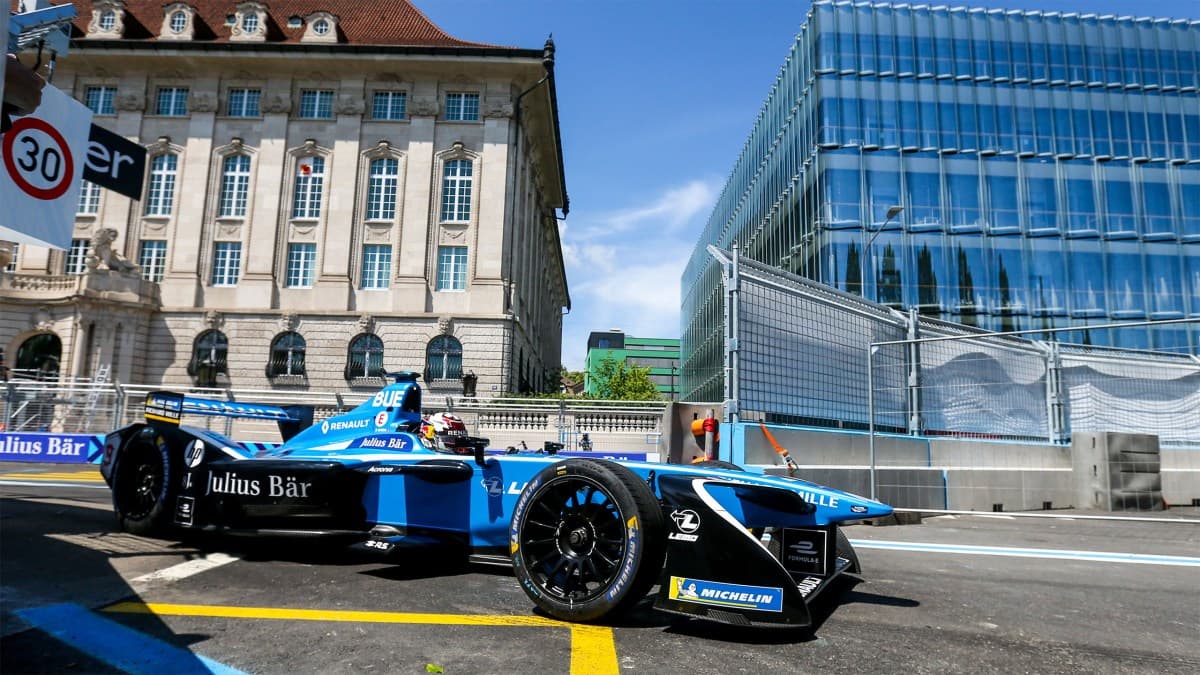
- •Formula E races in 2018‑19 paved way for broader events
- •Potential Swiss Grand Prix faces infrastructure and regulatory hurdles
- •Local drivers like Regazzoni and Buemi highlight nation’s racing heritage
Pulse Analysis
Switzerland’s decision to scrap its decades‑old circuit‑racing prohibition reflects a broader shift in European attitudes toward motorsport safety and sustainability. The original ban, enacted after the tragic 1955 Le Mans crash, prohibited high‑speed closed‑track events but left room for rallies and hill climbs. By allowing Formula E to run in 2018 and 2019 under an electric‑vehicle exemption, the Swiss government demonstrated a willingness to modernize regulations while still addressing public safety concerns.
The Federal Council’s July 1 rollout delegates authority to the 26 cantons, meaning each region can evaluate the economic and environmental impact of hosting races. This decentralized approach mirrors Switzerland’s political tradition of cantonal autonomy and could lead to a patchwork of approvals, with some cantons embracing the tourism and branding benefits while others remain cautious. Early adopters are likely to target existing venues that meet FIA Grade 1 standards or invest in new facilities, creating construction jobs and ancillary service demand.
Looking ahead, the most visible opportunity is a potential Swiss Grand Prix, though building a Grade 1 circuit is capital‑intensive and subject to stringent environmental reviews. Even without an F1 race, the lifted ban positions Switzerland to attract series like Formula E, DTM, or endurance events, diversifying its sporting portfolio and generating international media exposure. The move also aligns with the country’s growing focus on electric mobility and high‑performance engineering, potentially spurring collaborations between manufacturers, universities, and racing teams.
Switzerland Just Lifted the Racing Ban It Passed After the 1955 Le Mans Disaster
Comments
Want to join the conversation?
Loading comments...