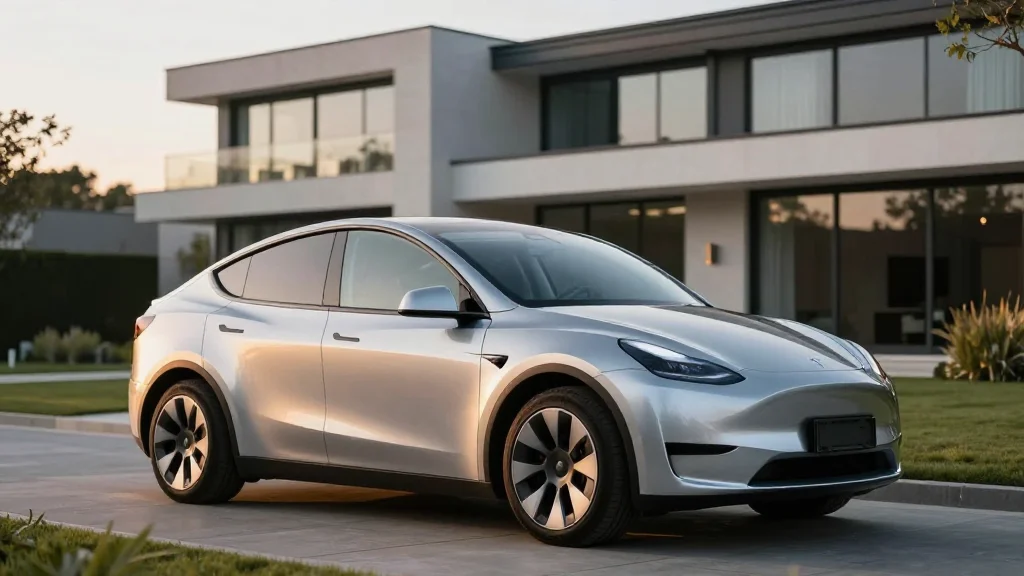
Tesla Hikes Model Y Prices by up to $1,000, Marking First Increase in Two Years

Companies Mentioned
Why It Matters
The Model Y price hike signals that even high‑volume, ostensibly mass‑market luxury EVs are not immune to cost pressures and margin management. As the vehicle straddles the line between premium and mainstream, its pricing influences consumer perception of what constitutes affordable luxury in the electric era. A higher price point may erode the perceived value advantage Tesla has held over traditional luxury brands, potentially reshaping buying decisions among affluent consumers. Furthermore, the adjustment provides a barometer for the broader luxury EV market. If Tesla can sustain demand despite the increase, it may embolden other manufacturers to raise prices, accelerating a shift toward higher‑priced, feature‑rich electric SUVs. Conversely, a slowdown in Model Y sales could prompt a recalibration of pricing strategies across the sector, influencing everything from dealer incentives to future model development.
Key Takeaways
- •Tesla raised Model Y premium AWD price to $49,990 (+$1,000)
- •Premium RWD now costs $45,990 (+$1,000)
- •Performance AWD increased to $57,990 (+$500)
- •First U.S. Model Y price hike since 2024
- •Move follows a $15,000 Cybertruck price increase in August 2025
Pulse Analysis
Tesla's decision to nudge Model Y prices upward reflects a strategic pivot from pure volume growth toward a more balanced profit model. Historically, the Model Y has been Tesla's workhorse, delivering the bulk of its U.S. sales and serving as a low‑entry point for customers who may later upgrade to the Model S or X. By extracting an extra $1,000 per unit, Tesla can boost its gross margin without dramatically altering the vehicle's market positioning. This incremental revenue is especially valuable as the company faces rising raw‑material costs for batteries and semiconductor shortages that have squeezed margins across the auto industry.
The price hike also highlights the narrowing distinction between Tesla's "affordable" offerings and traditional luxury brands. As the Model Y approaches the $50,000 threshold, it competes more directly with the Mercedes‑EQB and BMW iX3, both of which bundle premium interiors and advanced driver‑assist features. If Tesla's brand cachet continues to command a willingness to pay, the company may set a new pricing floor for electric compact SUVs, pressuring legacy automakers to justify higher price tags through differentiated technology or service ecosystems.
Looking forward, the key question is whether demand will hold steady. Tesla's brand loyalty and extensive Supercharger network provide a cushion, but price-sensitive buyers could be lured by aggressive promotions from competitors. The upcoming earnings season will reveal whether the Model Y price increase translates into measurable profit gains or if it triggers a dip in unit sales that forces the company to reconsider its pricing cadence. Either outcome will shape the competitive dynamics of the luxury electric SUV segment for the next few years.
Tesla hikes Model Y prices by up to $1,000, marking first increase in two years
Comments
Want to join the conversation?
Loading comments...