Companies Mentioned

Why It Matters
The influx of high‑end openings strengthens Italy’s post‑pandemic tourism recovery and raises the country’s appeal to luxury‑spending visitors, driving revenue for regional economies.
Key Takeaways
- •Italy opened more than 10 major hotels in 2026.
- •Terre di Sacra features 2,500‑acre wildlife refuge and eco‑lodges.
- •Bvlgari Rome offers WhatsApp‑enabled butler service for luxury guests.
- •Hoxton brands provide upscale design at budget‑friendly prices in Florence and Rome.
- •New hotels blend historic architecture with modern amenities to attract affluent travelers.
Pulse Analysis
Italy’s hotel market is experiencing a rapid renaissance, fueled by a surge in new openings after a pandemic‑induced slowdown. Analysts estimate that over ten flagship properties will debut in 2026, adding roughly €1 billion (≈ $1.1 billion) in projected revenue. This growth reflects both strong inbound demand from North American and Asian travelers and a strategic push by local authorities to diversify tourism beyond traditional city centers, extending visitor flow to regions like Maremma and Ostuni.
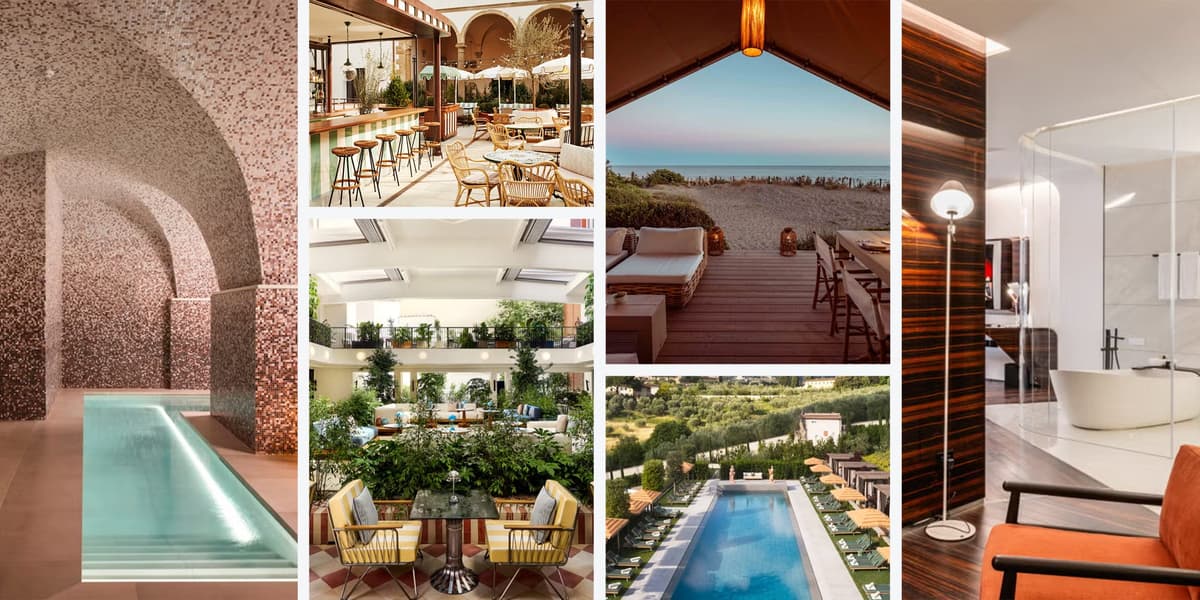
Design and sustainability are the twin pillars shaping these properties. Historic palazzos such as Florence’s Collegio Alla Querce have been meticulously restored, preserving frescoes while integrating contemporary spa and dining concepts. Meanwhile, eco‑luxury concepts like Terre di Sacra’s 2,500‑acre wildlife reserve illustrate a broader industry shift toward responsible tourism, appealing to guests who value conservation alongside comfort. High‑tech services, exemplified by Bvlgari Rome’s WhatsApp‑enabled butler, further differentiate the new luxury tier, marrying personalized service with digital convenience.
The competitive landscape is tightening as global brands—Hoxton, W, Park Hyatt—enter mid‑market segments, offering designer aesthetics at more accessible price points. This democratization of style attracts a younger, affluent demographic, increasing average spend per night and extending stays in secondary cities. For regional economies, the ripple effect includes higher employment, boosted local supply chains, and amplified cultural exposure. Looking ahead, the continued blend of heritage, sustainability, and technology positions Italy as a benchmark for luxury travel markets worldwide.
The 10 Best New Hotels In Italy
Comments
Want to join the conversation?
Loading comments...