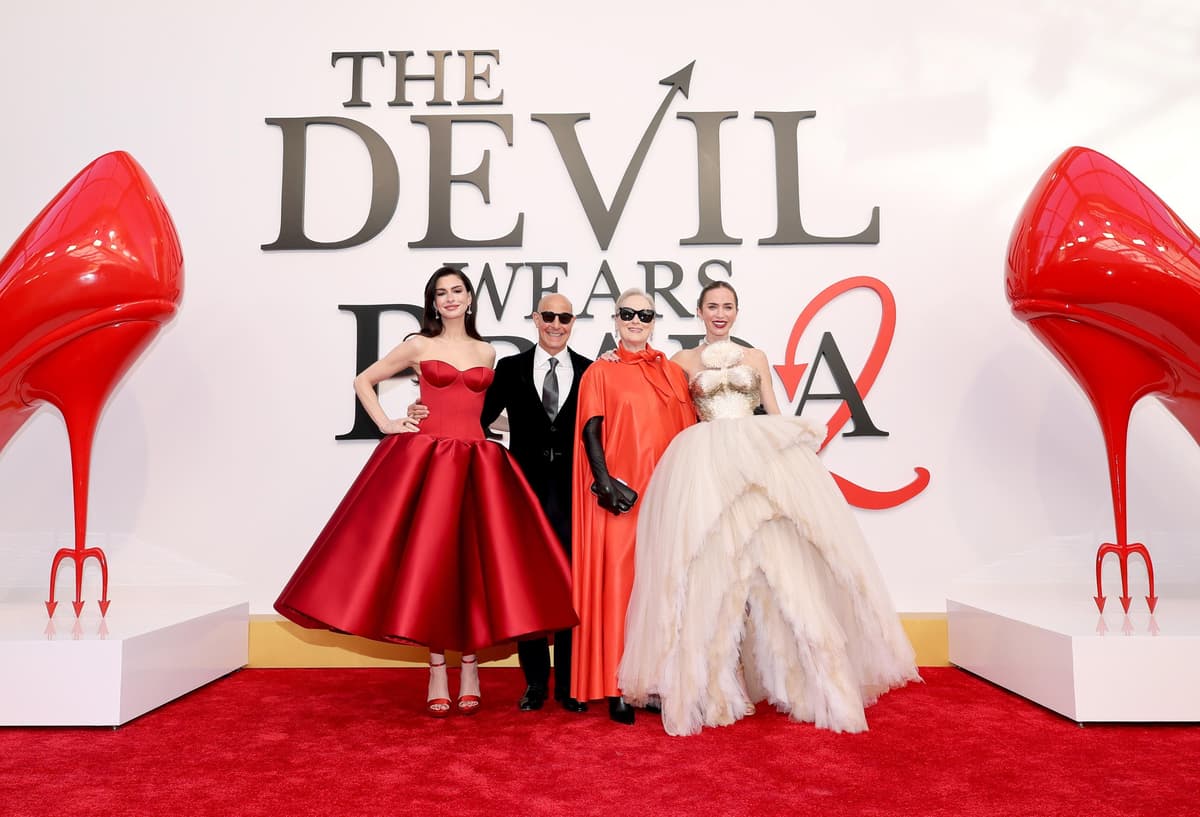
‘The Devil Wears Prada 2’ Lands As Luxury Fashion Fights To Pull Gen Z Into Its Orbit
Why It Matters
Re‑engaging Gen Z could halt the luxury market’s slide and spark a new growth cycle; failure would accelerate the shift toward resale and fast‑fashion competitors.
Key Takeaways
- •Luxury market fell 3% to $422 billion, losing 55 million aspirational buyers.
- •Gen Z accounts for 19% of sales but doubts price hikes and ethics.
- •Resale sector reached $257 billion in 2025, growing 12% in 2026.
- •Macy’s‑On 34th collection priced $50‑$140 targets Gen Z authenticity.
- •Influencer impact now rivals traditional celebrities for luxury brand relevance.
Pulse Analysis
The personal‑luxury segment has entered a steep correction, shrinking from $435 billion in 2023 to $422 billion in 2025, while flagship leather‑goods fell nearly 9% to $87 billion. Price increases of 20‑30% have eroded goodwill among core affluent shoppers, prompting a loss of 55 million aspirational customers since 2022. Industry forecasts of a 3‑5% rebound in 2026 now face headwinds from geopolitical instability in the Middle East and lingering consumer fatigue, making any cultural catalyst—such as a blockbuster film—critical for reigniting demand.
Gen Z’s relationship with luxury is fundamentally different from the millennial wave that the original “Devil Wears Prada” captured. This cohort, raised on instant information, scrutinizes brand ethics, supply‑chain transparency and material quality. Concerns over child labor, waste and over‑production have driven 60% of U.S. Gen Z shoppers to check second‑hand platforms before buying new, fueling a resale market that hit $257 billion in 2025 and is projected to reach $289 billion in 2026. Affordable‑luxury players such as Everlane and Reformation, plus revamped fast‑fashion brands, now compete directly on sustainability and price, eroding the exclusivity that once defined luxury.
Luxury houses are responding with targeted collaborations and a pivot toward authentic storytelling. Macy’s partnership with costume designer Molly Rogers delivers a $50‑$140 collection that leverages cinematic heritage without relying on celebrity cachet, aligning with Gen Z’s preference for genuine creative voices. Simultaneously, brands are reallocating marketing spend toward micro‑influencers and community‑driven content, recognizing that influencer credibility now rivals traditional star power. If these strategies can translate cultural buzz from the film into measurable sales, the sector may stabilize; otherwise, the continued exodus toward resale and value‑focused alternatives could reshape the luxury landscape for years to come.
‘The Devil Wears Prada 2’ Lands As Luxury Fashion Fights To Pull Gen Z Into Its Orbit
Comments
Want to join the conversation?
Loading comments...