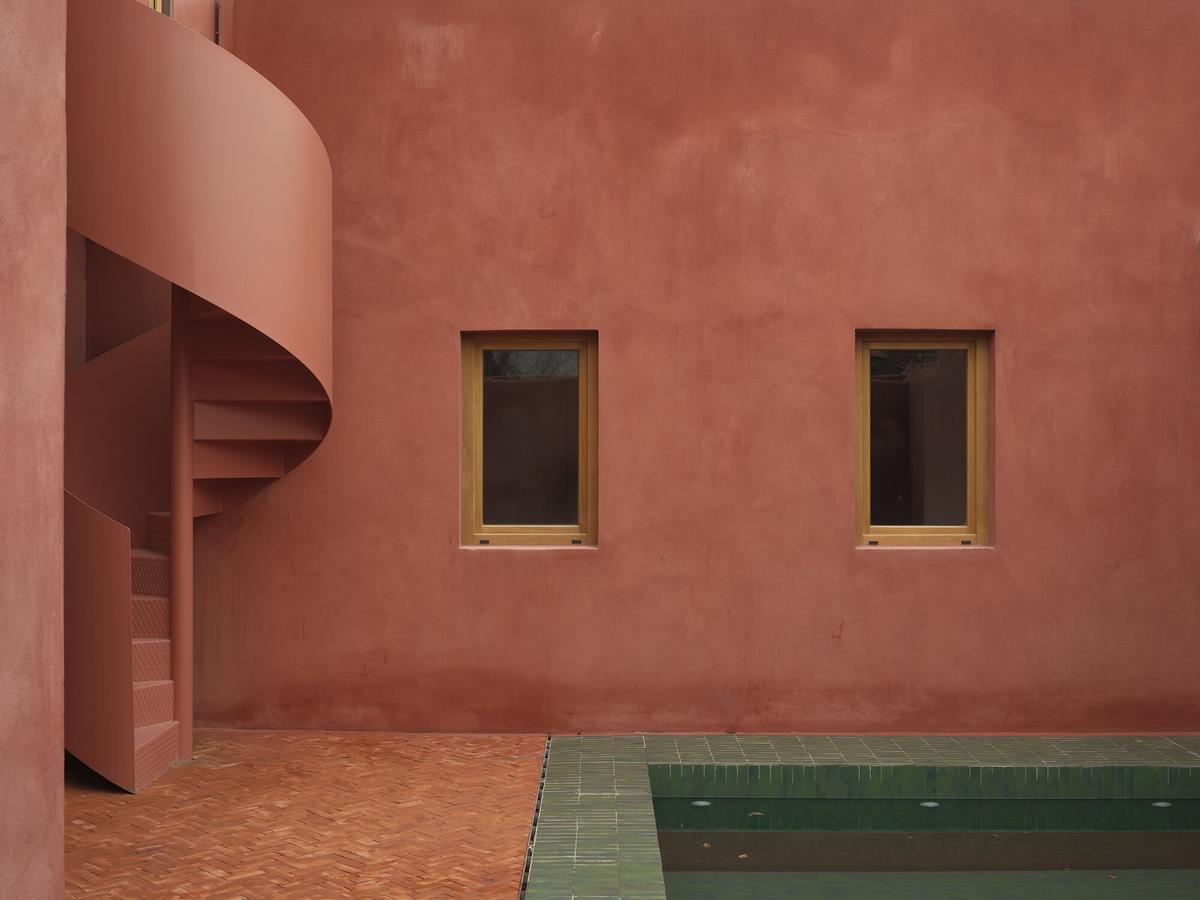
The House of the Green Pond / aceboXalonso Studio
Why It Matters
The intervention demonstrates how adaptive reuse can preserve cultural memory while delivering climate‑responsive design, setting a precedent for historic urban housing worldwide.
Key Takeaways
- •Mobile platform converts yard into pond, pool, or swimming area
- •Green water treatment replaces iconic blue pool, reflecting scarcity concerns
- •Restoration respects 1920s working‑class origins while adding modern sustainability
- •Project showcases adaptive reuse amid Madrid’s historic neighbourhood gentrification
Pulse Analysis
Madrid’s historic districts are dotted with modest homes built in the 1920s to alleviate a post‑war housing crunch. Over decades, many of these dwellings have been altered, most famously by the addition of a private blue pool in the early 1970s—a status symbol that signaled the country’s shift toward consumerism under late Francoist capitalism. The pool, while a nostalgic landmark, also masked the building’s working‑class roots, turning a functional backyard into a decorative showcase. Today, the area is experiencing rapid gentrification, prompting a reevaluation of how heritage and modern living can coexist.
aceboXalonso studio’s renovation reimagines the backyard without discarding its iconic water feature. By installing a mobile platform measuring 6.60 × 2.60 m, the space can transform from a seasonal pond to a full‑size pool within minutes, offering residents flexible recreation while conserving water. The platform’s green finish references historic cisterns and aligns with contemporary concerns about water scarcity, employing natural recirculation and treatment methods that reduce reliance on municipal supply. This approach marries aesthetic nostalgia with pragmatic sustainability, turning a relic of past affluence into a climate‑responsive asset.
The project underscores a broader trend in adaptive reuse: preserving architectural narratives while integrating eco‑friendly technologies. For developers and city planners, the house serves as a case study in balancing cultural preservation with market demands for greener, adaptable living spaces. As European cities grapple with aging stock and climate imperatives, such interventions illustrate how thoughtful design can revitalize historic neighborhoods, enhance property values, and contribute to resilient urban ecosystems.
The House of the Green Pond / aceboXalonso studio
Comments
Want to join the conversation?
Loading comments...