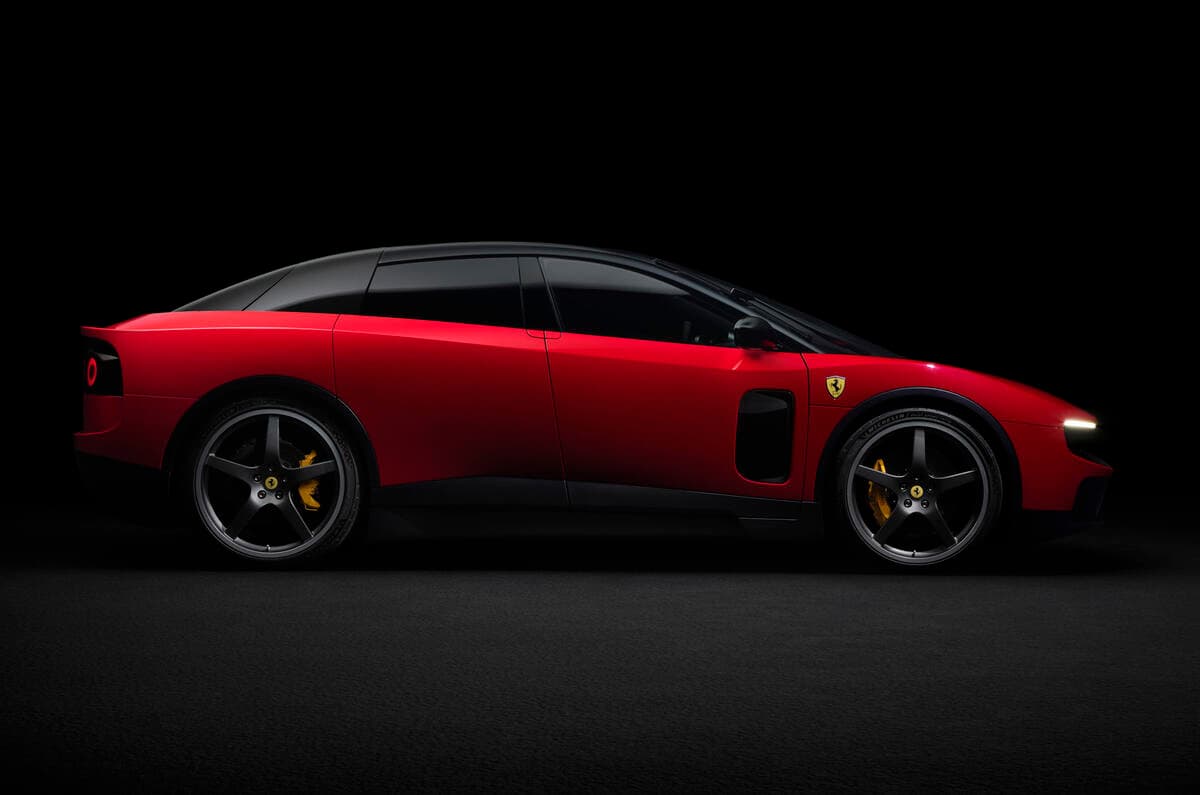
The Luxury EV Dilemma: Ferrari Luce's Slippery Shape Is From a Pre-China Era
Companies Mentioned
Why It Matters
The Luce illustrates a strategic mis‑alignment for luxury EVs: focusing on aerodynamic efficiency without delivering real range benefits can alienate high‑end buyers, especially in markets where brand image outweighs efficiency.
Key Takeaways
- •Ferrari Luce’s drag coefficient is lowest among Ferrari road cars
- •122 kWh battery yields 329‑mile range, 2.7 kWh/mi consumption
- •Luxury buyers prioritize styling over aerodynamic efficiency, unlike volume EVs
- •Mercedes shifted from aero‑focused EVs to unified ICE/EV design language
- •Chinese luxury market favors range and tech features over sleek aerodynamics
Pulse Analysis
Ferrari’s Luce attempts to marry high‑performance heritage with electric propulsion, but its design choices reveal a tension between aerodynamic purity and brand expectations. While the car’s drag coefficient sets a new benchmark for the marque, the 122 kWh pack only delivers a 329‑mile EPA‑equivalent range, equating to roughly 2.7 kWh per mile—far higher than the efficiency targets of mainstream EVs. For affluent buyers accustomed to the visceral appeal of Ferrari’s ICE supercars, the sleek, soap‑bar silhouette may look efficient, yet the real‑world energy consumption undermines the promised practicality, especially as competitors push for longer ranges at lower costs.
The luxury EV landscape is evolving, with manufacturers like Mercedes‑Benz abandoning overtly aerodynamic silhouettes in favor of a cohesive design language that spans both ICE and electric models. This shift acknowledges that high‑end customers prioritize brand continuity, interior refinement, and rapid charging over marginal drag reductions. In China, where electric adoption is driven by range anxiety and cost efficiency, the Luce’s modest mileage could be a liability; Chinese luxury consumers increasingly expect substantial range, fast‑charging infrastructure, and advanced driver‑assist features as baseline, relegating aerodynamic flair to a secondary concern.
Looking ahead, Ferrari and peers must reconcile their performance DNA with the realities of battery technology. As energy‑density improves and pack weights decline, designers will have more leeway to incorporate bold styling without sacrificing range. However, the immediate strategic lesson is clear: luxury EVs should emphasize distinctive brand cues, ultra‑fast charging, and premium experiences rather than relying solely on aerodynamic efficiency to justify premium pricing. Aligning product attributes with the nuanced preferences of global luxury markets will be essential for sustained relevance in the electric era.
The luxury EV dilemma: Ferrari Luce's slippery shape is from a pre-China era
Comments
Want to join the conversation?
Loading comments...