The Met Gala Proves Fashion Is Obsessed With ‘Museum Memory’
Why It Matters
By positioning garments as cultural artifacts, the fashion industry gains new avenues for brand prestige and revenue, while museums expand their relevance to younger audiences. The dynamic also reshapes consumer perception of value and authenticity.
Key Takeaways
- •Met Gala 2026 theme 'Art and Fashion' cements museum status
- •Archival garments now signal status, not just nostalgia
- •Celebrities treat red carpet as live museum installations
- •Museums and designers negotiate object lifespan from runway to exhibit
- •Fashion's museum turn reshapes brand narratives and market value
Pulse Analysis
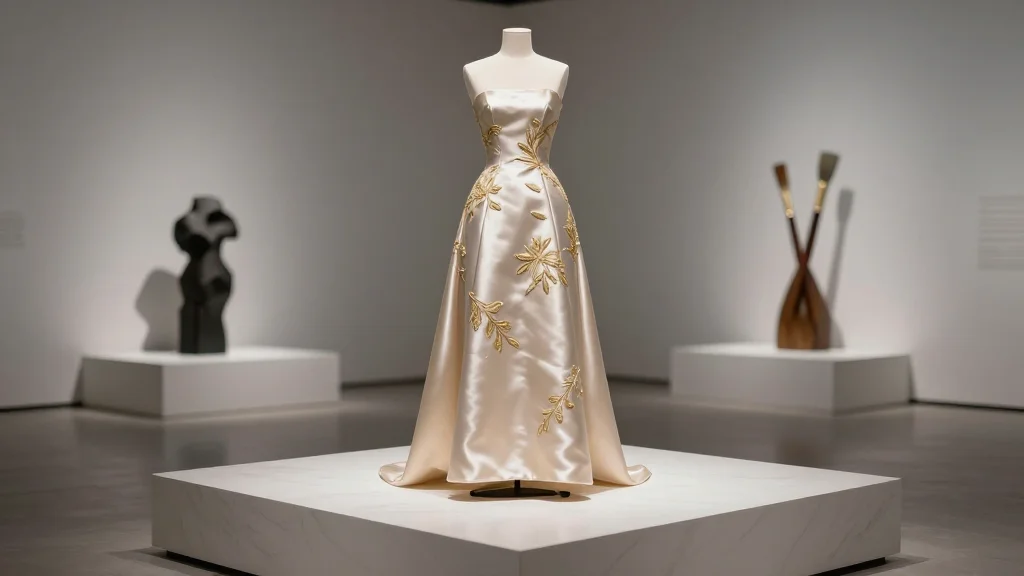
Fashion’s institutional migration has been a quiet revolution. Over the last ten years, leading museums such as London’s Victoria & Albert and New York’s Costume Institute have begun to treat clothing with the same scholarly rigor afforded to paintings and sculpture. Curators now write exhibition catalogues, commission research, and place garments behind glass, reframing them as enduring cultural documents rather than fleeting commercial products. This re‑classification elevates fashion’s historical narrative, inviting academic discourse and expanding its market legitimacy.
The 2026 Met Gala amplified this trend on a global stage. The “Art and Fashion” theme encouraged designers and stylists to mine archives, turning vintage pieces into status symbols. Zendaya’s Joan of Arc‑inspired look and Rihanna’s museum‑like ensembles illustrated how red‑carpet moments function as pop‑up exhibitions, where each garment’s provenance adds layers of meaning. Even controversial choices, such as Kim Kardashian’s recreation of Marilyn Monroe’s iconic dress, sparked debate about the ethics of wearing museum‑grade artifacts, underscoring the friction between preservation and performance.
For the industry, the museum turn unlocks fresh revenue streams and brand equity. Luxury houses now partner with institutions for co‑branded exhibitions, leveraging curatorial authority to justify premium pricing and to tap into the growing resale market for historically significant pieces. Consumers, increasingly attuned to authenticity, are willing to invest in items that carry documented cultural weight. As fashion continues to blur the line between runway and gallery, we can expect deeper collaborations, heightened emphasis on sustainability through extended garment lifecycles, and a redefinition of value that blends artistic merit with commercial appeal.
The Met Gala Proves Fashion Is Obsessed With ‘Museum Memory’
Comments
Want to join the conversation?
Loading comments...