Companies Mentioned
Why It Matters
The electric M3 signals BMW’s push to electrify its flagship performance line, challenging rivals in the high‑performance EV segment. Its anticipated power and advanced torque vectoring could redefine driver engagement for luxury sport sedans.
Key Takeaways
- •Spy photos suggest aggressive M‑styled electric sedan.
- •Four‑motor layout provides wheel‑by‑wheel torque vectoring.
- •Battery capacity targets 100‑108 kWh for high‑performance runs.
- •Output rumored above 1,300 hp, rivaling supercars.
- •Production slated for early 2027 alongside gasoline M3.
Pulse Analysis
BMW’s decision to develop an all‑electric M3 reflects a broader industry shift toward high‑performance electrification. The German automaker has already launched the i4 M50 and iX M60, but an electric M3 would be its most ambitious step, targeting enthusiasts who expect the visceral feel of a traditional M car. By leveraging the i3’s new platform, BMW can integrate a dedicated M‑grade battery and chassis while preserving the brand’s hallmark driving dynamics. This move also positions BMW to compete directly with Tesla’s Model S Plaid and upcoming performance variants from Audi and Mercedes‑Benz.
The leaked prototype showcases a four‑motor architecture, assigning one motor to each wheel for precise torque distribution and instantaneous traction control. Coupled with a 100‑to‑108 kWh battery, the system is projected to exceed 1,300 horsepower, placing the electric M3 in supercar territory. BMW is also experimenting with synthesized engine notes and simulated gear shifts to retain the auditory feedback that M drivers cherish. Such technologies could bridge the sensory gap between combustion and electric powertrains, offering a unique blend of raw acceleration and refined cabin experience.
Production slated for early 2027 indicates BMW’s confidence in scaling the technology while still offering a conventional gasoline M3. This dual‑track strategy mitigates risk and caters to markets where EV infrastructure remains limited. If the performance claims hold, the electric M3 could attract a new cohort of affluent buyers seeking sustainable yet exhilarating transport, potentially boosting BMW’s profit margins. Moreover, the model may set a benchmark for future electric performance sedans, prompting rivals to accelerate their own high‑output EV programs and reshaping the luxury sports segment.
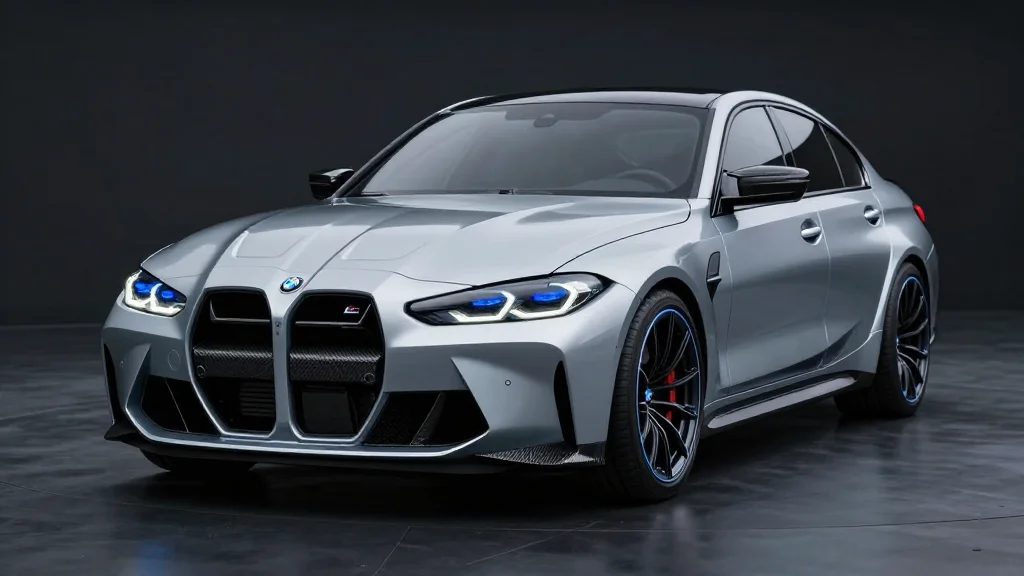
The New BMW M3 Will Probably Look Like This
Comments
Want to join the conversation?
Loading comments...