The Newest Trend in Jewelry Is Really, Really Old
Companies Mentioned
Why It Matters
The surge signals a shift toward heritage‑driven consumption, offering jewelers a new revenue stream and investors a tangible asset class with cultural cachet.
Key Takeaways
- •Christie's ancient jewelry sale fetched $572k, triple estimate
- •Freeman’s spring “Jewelry Through the Ages” sale topped $19k for Roman ring
- •Intaglio stones blend nature, art, and personal symbolism
- •Ancient pieces priced €3k‑€5k (~$3.2k‑$5.4k), undercutting modern luxury
- •Dealers face inventory shortages as demand outpaces supply
Pulse Analysis
Economic volatility and geopolitical tension are nudging high‑net‑worth consumers toward objects that convey permanence and meaning. Ancient jewelry, with its millennia‑old provenance, satisfies this desire for grounding symbols while still functioning as a status accessory. The trend mirrors the historic "lipstick index," where modest luxury purchases rise in tough times, but adds a narrative layer: owners can point to a tangible piece of history, turning personal adornment into a conversation starter at boardrooms and dinner parties alike.
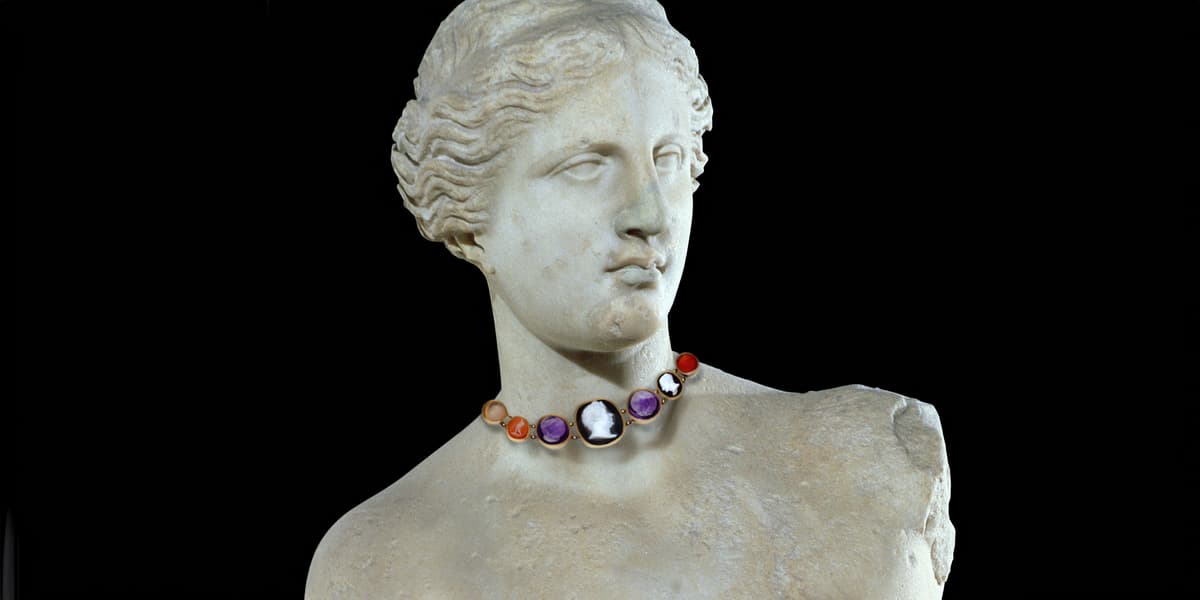
Auction houses have quantified the appetite. Christie’s recent sale of 19 antiquities from the Kofler‑Truniger collection realized roughly $572,000, far exceeding the $150,000 forecast. Freeman’s dedicated "Jewelry Through the Ages" spring event saw a Roman carnelian ring sell for $19,000 against a $500 estimate, underscoring the premium placed on rarity and provenance. Intaglios—carved semi‑precious stones set in gold—are especially coveted, merging artistic craftsmanship with symbolic depth. Prices for these pieces typically sit between $3,200 and $5,400, making them accessible entry points for collectors seeking authentic heritage without the price tag of brand‑new haute couture.
For the broader luxury sector, the revival of ancient motifs presents both a design opportunity and a diversification strategy. Contemporary jewelers are re‑setting intaglios and classic forms in modern metals, creating hybrid pieces that appeal to younger, experience‑focused buyers. Museums and private collectors alike are expanding their holdings, further legitimizing the market. As inventory tightens, scarcity could drive secondary‑market activity, positioning ancient jewelry as a resilient, culturally rich investment amid fluctuating traditional asset classes.
The Newest Trend in Jewelry Is Really, Really Old
Comments
Want to join the conversation?
Loading comments...