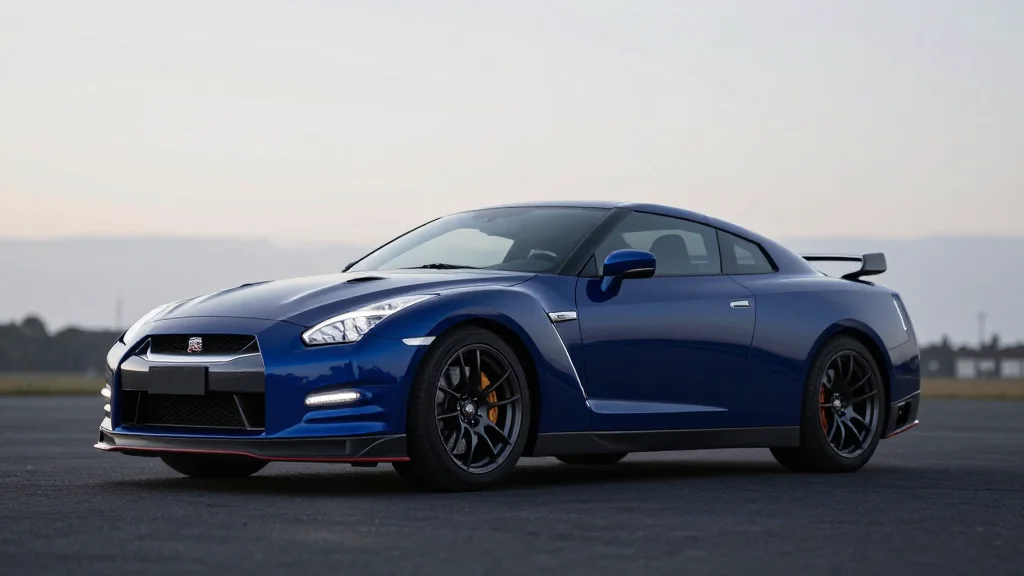
The R36 Nissan GT-R Won't Be Electric: 'No EV GT-R'
Companies Mentioned
Why It Matters
The decision preserves the GT‑R’s performance heritage while navigating tightening emissions rules, signaling that high‑performance hybrids remain viable until battery breakthroughs occur. It also sets a benchmark for other manufacturers weighing EV ambitions against sports‑car expectations.
Key Takeaways
- •Nissan R36 GT‑R will use a hybrid twin‑turbo V6
- •Company cites lack of market demand for full‑electric sports cars
- •Emissions rules force some electrification but battery limits persist
- •CEO says EV GT‑R will arrive only after battery tech leap
Pulse Analysis
Nissan’s announcement that the R36 GT‑R will launch as a hybrid rather than a pure electric vehicle reflects a pragmatic response to current battery constraints and consumer sentiment. While the automotive industry races toward electrification, high‑performance enthusiasts remain skeptical of EVs that can match the iconic roar and acceleration of a V6‑powered supercar. By retaining a twin‑turbo V6 and adding modest electric assistance, Nissan aims to deliver the traditional GT‑R driving experience without compromising on emerging efficiency standards.
Regulatory pressure is a decisive factor in this hybrid strategy. Stringent emissions legislation across Europe and Asia mandates reduced tailpipe output, compelling manufacturers to incorporate electrified components even in performance models. Nissan acknowledges that a fully electric GT‑R would require battery energy density far beyond today’s lithium‑ion chemistry, which would add excessive weight and diminish track‑ready dynamics. A hybrid configuration satisfies compliance requirements while preserving the vehicle’s weight distribution and handling characteristics, offering a balanced compromise until battery technology catches up.
The broader market impact is twofold. First, Nissan’s hybrid approach may encourage rivals—such as Toyota’s GR Supra or Porsche’s 911—to explore similar powertrain blends, reinforcing hybrids as a transitional platform for supercars. Second, the statement underscores that a true EV supercar remains contingent on breakthroughs in battery energy density and cooling. Investors and industry watchers will monitor how quickly these advances materialize, as they will dictate when the next generation of electric hypercars can truly replace their combustion‑engine predecessors.
The R36 Nissan GT-R Won't Be Electric: 'No EV GT-R'
Comments
Want to join the conversation?
Loading comments...