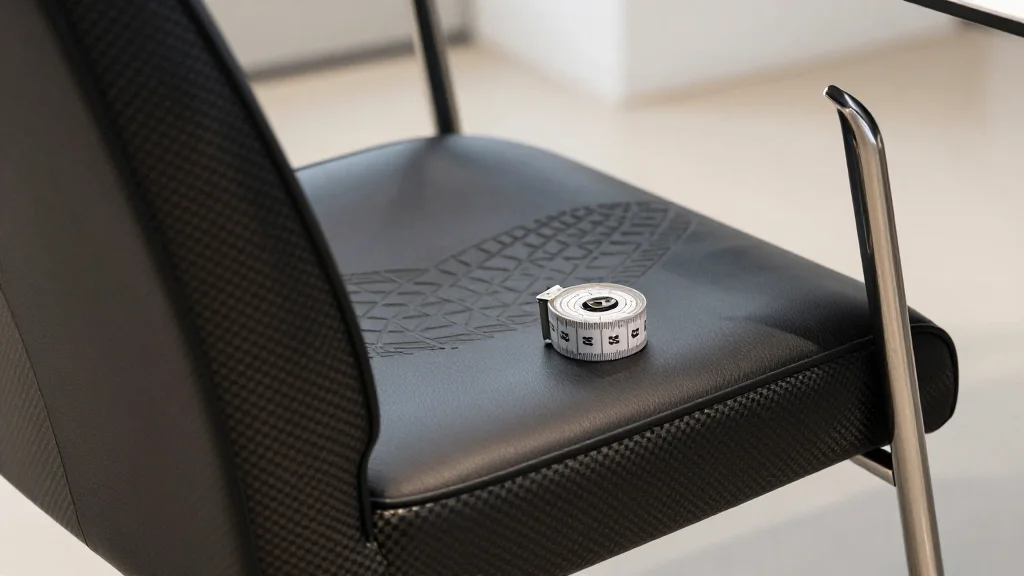
This Designer Left Jaguar – and Now Makes Ultra-Luxury Chairs
Companies Mentioned
Why It Matters
The venture showcases how iconic automotive designers can leverage their brand equity to command premium prices in the high‑end furniture sector, appealing to affluent car enthusiasts and design collectors.
Key Takeaways
- •Ian Callum, former Jaguar design director, launches hand‑crafted luxury chairs
- •Only 25 chairs produced, each priced around £13,500 ($18,300)
- •Collaboration with Daniel Hopwood adds oxblood leather and gold‑plated accents
- •Production limited to one‑two chairs monthly in Callum’s Midlands workshop
- •Chairs blend automotive design precision with high‑end interior aesthetics
Pulse Analysis
Ian Callum’s transition from automotive icon to furniture maker reflects a broader trend of designers extending their aesthetic language beyond their original domains. After two decades shaping Jaguar’s visual identity—most notably the F‑Pace SUV and the electric I‑Pace—Callum sought a non‑automotive canvas, choosing the lounge chair as a timeless, universally recognizable object. Crafted in a modest workshop beneath his Warwick studio, each piece is hand‑trimmed, photographed, and logged, ensuring a level of traceability and exclusivity rarely seen in mass‑produced furniture. This artisanal approach reinforces the narrative of scarcity and bespoke quality that high‑net‑worth buyers crave.
The collaboration with Daniel Hopwood, a veteran interior designer known for high‑end residential projects, injects a layer of opulence into Callum’s minimalist silhouette. By swapping standard carbon‑fibre finishes for oxblood leather upholstery, gloss‑finished maroon wood, and gold‑plated collars, the duo creates a chair that feels both automotive and couture. Priced at roughly $18,300, the piece targets a niche market of affluent car collectors and design connoisseurs who value provenance as much as function. Its limited production—one to two units per month—creates a scarcity premium, positioning the chair alongside iconic pieces like the Barcelona or Eames Lounge Chair, but with a contemporary, carbon‑fiber twist.
From a market perspective, Callum’s foray signals a potential shift in how luxury brands diversify revenue streams. Automotive heritage carries significant cachet, and translating that into furniture allows designers to tap into the growing demand for statement pieces that tell a story. As more car designers explore interior design, we may see an influx of cross‑industry collaborations that blur the lines between mobility and living spaces. For investors and industry watchers, the success of the CALLUM chair could serve as a bellwether for future brand extensions that marry engineering precision with high‑end craftsmanship.
This Designer Left Jaguar – and Now Makes Ultra-Luxury Chairs
Comments
Want to join the conversation?
Loading comments...