This Italian Lingerie Brand Was Saved by Seamstresses—And an American Couple
Why It Matters
The rescue highlights how grassroots labor activism can catalyze foreign investment, preserving heritage brands while reshaping industry labor standards. It signals a growing nexus between employee advocacy and strategic buyouts in luxury fashion.
Key Takeaways
- •La Perla faced insolvency after years of declining sales.
- •Seamstresses formed “Perlines” and staged protests at EU Parliament.
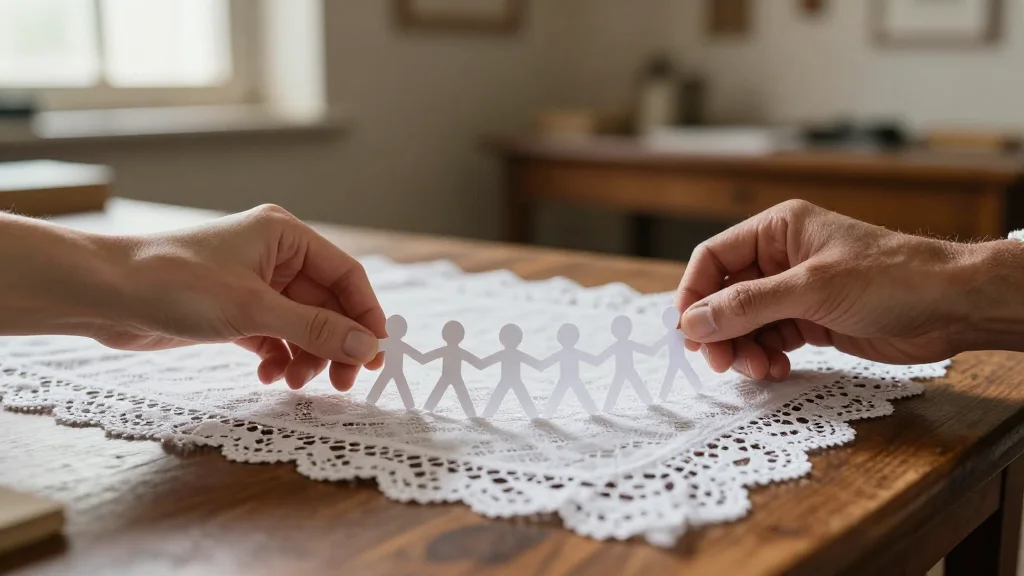
- •They displayed paper‑doll chains and a workbench outside the closed atelier.
- •American investors Michael and Sarah Greene purchased controlling stake to rescue brand.
- •Revival plan includes re‑hiring artisans and expanding sustainable product lines.
Pulse Analysis
La Perla, founded in 1954, has long been synonymous with Italian craftsmanship and high‑end intimate apparel. Yet the brand struggled to adapt to fast‑fashion competition and the post‑pandemic shift toward digital retail, leading to mounting debt and a shutdown of its historic Milan workshop. The financial distress underscored a broader challenge for legacy luxury houses: balancing heritage techniques with the need for agile, cost‑effective operations while maintaining brand cachet.
Against this backdrop, the Perlines—more than 150 seamstresses who had spent decades perfecting La Perla’s signature lace—mobilized a grassroots campaign that blended theatrical protest with political lobbying. By presenting chains of hand‑holding paper dolls and a functional workbench outside the closed atelier, they visualized both the human cost of the closure and their readiness to resume production. Their appeal to the European Parliament forced regulators to scrutinize the brand’s liquidation plan, creating a public pressure cooker that attracted media attention and potential investors.
The turning point arrived when American entrepreneurs Michael and Sarah Greene, seasoned investors in heritage fashion, saw an opportunity to acquire a controlling interest. Their injection of capital is earmarked for re‑opening the Milan atelier, modernizing supply chains, and launching a sustainability‑focused collection that leverages recycled fibers and transparent sourcing. This rescue illustrates how activist labor movements can align with strategic investors to revive iconic labels, offering a blueprint for other distressed luxury brands seeking to blend tradition with modern market demands.
This Italian Lingerie Brand Was Saved by Seamstresses—and an American Couple
Comments
Want to join the conversation?
Loading comments...