This Psychedelic London Suite Makes Every Other Hotel Feel Boring
Why It Matters
The suite differentiates Sofitel in a crowded upscale market by turning nostalgia into a sellable experience, attracting design‑savvy travelers willing to pay a premium. Its success signals a broader industry shift toward immersive, era‑focused hospitality concepts that boost brand relevance and revenue.
Key Takeaways
- •Sofitel's Suite 70 immerses guests in bold 1970s design
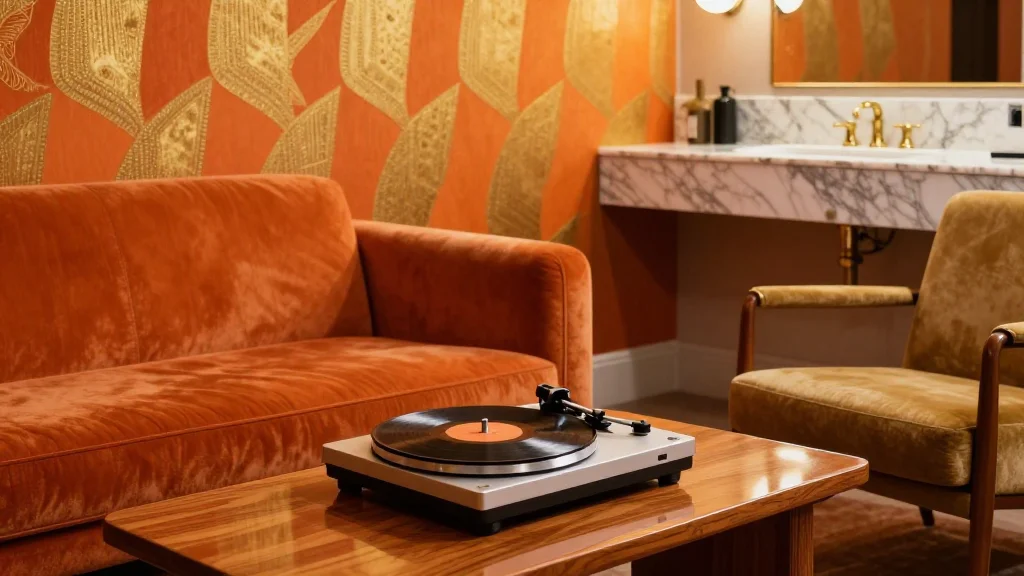
- •Pierre‑Yves Rochon designed Suite 70 with orange décor and vinyl
- •Suite includes period pieces like Ball Chair and Pierre Paulin chairs
- •Located in Sofitel London St James, near major attractions
- •Wild Honey restaurant offers Michelin‑starred dining with inventive cocktails
Pulse Analysis
Retro revival is reshaping luxury hospitality, and Sofitel’s Suite 70 exemplifies how hotels are leveraging nostalgia to command higher rates. By saturating a 70 sq m space with orange wallcoverings, lava lamps, and a curated vinyl library, the brand creates an Instagram‑ready environment that appeals to affluent millennials and Gen Z travelers seeking experiential stays. The involvement of Pierre‑Yves Rochon, known for high‑profile projects like Four Seasons George V, adds design credibility, turning what could be a gimmick into a legitimate boutique offering that justifies premium pricing.
Beyond aesthetics, the suite’s integration with Wild Honey, a Michelin‑starred restaurant, demonstrates a holistic approach to guest experience. Culinary innovation—such as the “pickle martini” and custard‑infused cocktails—mirrors the suite’s playful ethos, encouraging longer on‑property spend and cross‑selling opportunities. This synergy aligns with a growing trend where hotels bundle distinctive dining, design, and location to create a cohesive brand narrative that differentiates them from chain competitors.
Strategically, the Suite 70 rollout signals Accor’s intent to diversify its portfolio with signature experiences that can be replicated across markets. As travelers increasingly prioritize uniqueness over traditional luxury, hotels that embed era‑specific storytelling into their rooms can capture higher RevPAR and foster brand loyalty. For investors, such concepts offer scalable upside: once the design template proves profitable in London, it can be adapted to other global cities, turning nostalgia into a repeatable revenue engine.
This Psychedelic London Suite Makes Every Other Hotel Feel Boring
Comments
Want to join the conversation?
Loading comments...