Ultra‑Luxury Eco‑Adventures Command $395,000 Weeks as Conservation Becomes a Status Symbol

Why It Matters
The rise of ultra‑luxury eco‑adventures signals a fundamental shift in how wealth is displayed: prestige is now tied to environmental stewardship. If these high‑priced expeditions channel significant funds into research and habitat protection, they could become a vital private‑sector supplement to under‑funded conservation programs. Conversely, if the primary value remains the social cachet, the model may reinforce a narrative that wealth can buy moral superiority without delivering proportional ecological outcomes, potentially undermining broader sustainability efforts. Moreover, the sector’s growth forces traditional luxury brands to reconsider their value propositions. Hotels, fashion houses, and automotive makers are already integrating sustainability into their offerings, and the success of eco‑adventure operators could accelerate this trend across the entire luxury ecosystem, reshaping consumer expectations and industry standards.
Key Takeaways
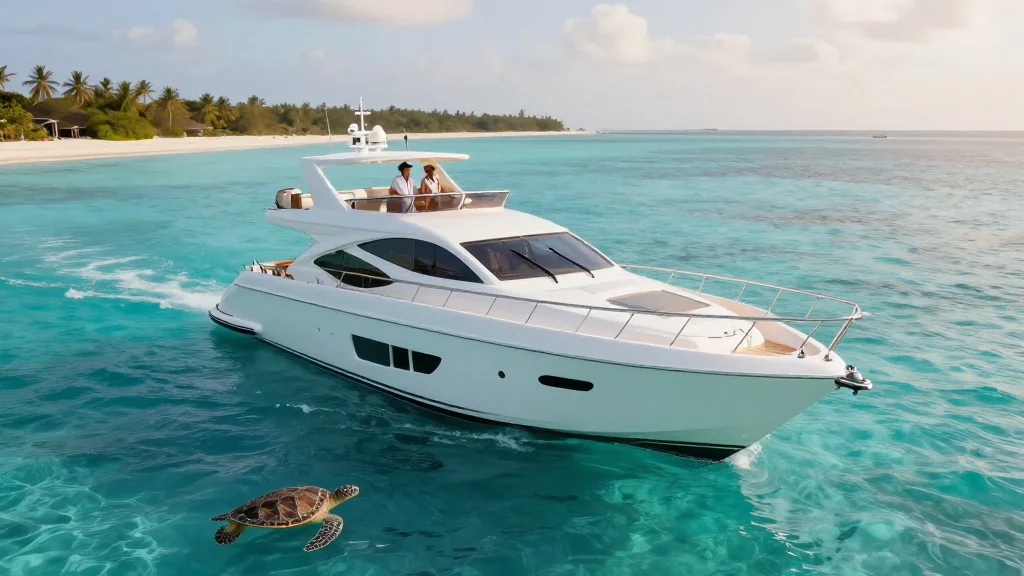
- •EYOS Expeditions sells week‑long eco‑adventures on the $100 million yacht Solace for $395,000.
- •Cookson Adventures offers rhino‑relocation trips starting at $150,000, blending hands‑on conservation with luxury.
- •Journeys With Purpose mandates a percentage‑based donation on trips as low as $17,000 per person.
- •Operators embed carbon‑offset calculations into pricing to address criticism of conspicuous consumption.
- •The market reflects a broader shift where affluent travelers equate status with environmental impact.
Pulse Analysis
The ultra‑luxury eco‑adventure niche is more than a fleeting fad; it reflects a deeper reorientation of elite consumer values. Historically, luxury signaled exclusivity through material excess—private jets, bespoke tailoring, and rare art. Today, the narrative has expanded to include ethical capital, where the act of giving back becomes a differentiator. This evolution mirrors the broader ESG (environmental, social, governance) wave that has permeated corporate boardrooms and investment strategies. Wealthy individuals, accustomed to influencing markets, now seek experiences that allow them to claim a direct role in solving planetary crises.
From a market perspective, the price elasticity of this segment is striking. While $395,000 per week is prohibitive for most, the willingness of a small cohort to pay such premiums suggests a robust willingness to allocate discretionary wealth toward cause‑driven experiences. This creates a lucrative incentive for operators to professionalize their scientific partnerships, ensuring that the conservation component is not merely a marketing veneer. Companies that can demonstrate measurable outcomes—such as verified carbon offsets, species population boosts, or funded research—will likely command higher loyalty and command even steeper price points.
However, the sector’s sustainability hinges on transparency and accountability. If NGOs and watchdogs can verify that a meaningful portion of the fees reaches on‑the‑ground projects, the model could evolve into a private‑sector catalyst for biodiversity preservation. Conversely, a lack of rigorous impact reporting could erode credibility, prompting regulators and consumer advocacy groups to scrutinize the claims. The next few years will test whether ultra‑luxury eco‑adventures become a genuine funding stream for conservation or remain a high‑priced status symbol with limited ecological return.
Ultra‑Luxury Eco‑Adventures Command $395,000 Weeks as Conservation Becomes a Status Symbol
Comments
Want to join the conversation?
Loading comments...