US Luxury Sales Are Down, Except For This Brand
Companies Mentioned
Why It Matters
Acura’s outperformance highlights how targeted model launches can offset a weakening luxury market, signaling opportunities for other brands to capture growth. The overall sales dip underscores pricing pressure and may accelerate domestic production shifts among foreign luxury automakers.
Key Takeaways
- •Acura Q1 sales rose 5.2% to 32,352 units.
- •Acura jumps to fourth place, overtaking Cadillac.
- •Integra sales surged 25.6%, driving Acura growth.
- •ADX sales exploded 4,318% after launch, reaching 7,864 units.
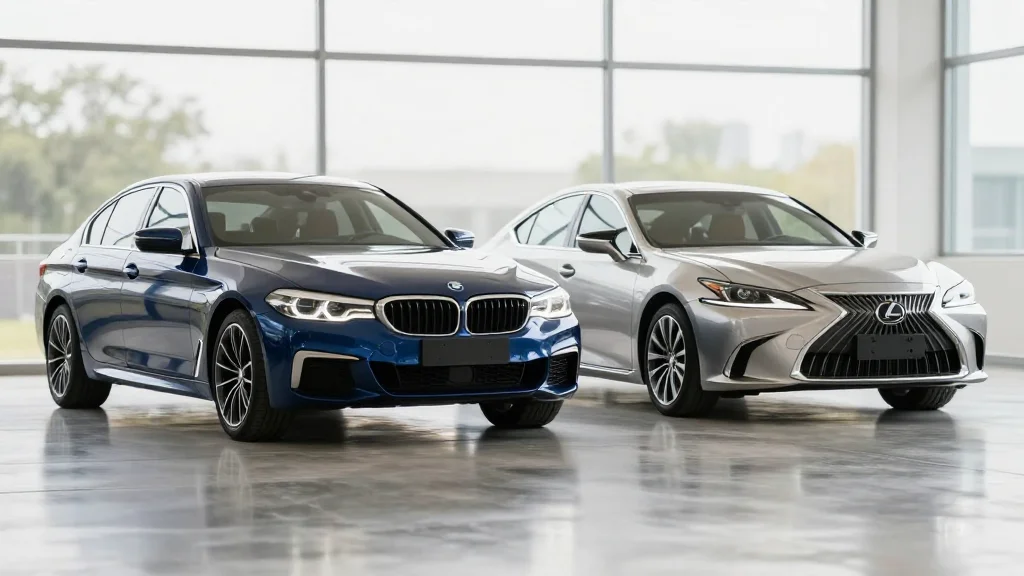
- •Overall US luxury sales slipped; BMW, Lexus, Mercedes all down.
Pulse Analysis
The first quarter of 2026 painted a sobering picture for the U.S. luxury automotive segment. While BMW, Lexus and Mercedes‑Benz each posted declines ranging from 3% to nearly 4%, the market’s overall health was further strained by higher sticker prices tied to last year’s import tariffs. Many premium brands rely on overseas assembly, and the added cost burden has eroded demand, especially for higher‑priced sedans. This environment has prompted industry analysts to watch closely for any strategic pivots toward domestic manufacturing to mitigate tariff exposure.
Against this backdrop, Acura emerged as the lone bright spot, delivering a 5.2% year‑over‑year increase and moving into the fourth‑largest luxury brand slot. The surge was anchored by the Integra, which posted a 25.6% sales jump, and the ADX crossover, whose sales exploded after its debut, adding nearly 8,000 units to the brand’s tally. These results illustrate how a focused product rollout—particularly one that blends performance appeal with the growing consumer appetite for crossovers—can generate momentum even when the broader segment contracts.
Acura’s success may serve as a case study for other luxury manufacturers grappling with a softening market. Brands that can align new model introductions with shifting consumer preferences, while managing price pressures, stand to capture share from lagging rivals. Moreover, the persistent tariff‑driven cost challenges could accelerate plans to localize production, a move that would not only reduce pricing friction but also resonate with U.S. buyers seeking domestically built luxury vehicles. As the industry heads into the second half of the year, the ability to adapt product strategies and supply‑chain footprints will likely dictate which marques thrive amid lingering headwinds.
US Luxury Sales Are Down, Except For This Brand
Comments
Want to join the conversation?
Loading comments...