Why It Matters
Its strong residual values and upscale equipment make the C‑Class a cost‑effective option for fleet operators and resale buyers, while its blend of luxury and modest performance keeps it competitive in the premium compact segment.
Key Takeaways
- •MRA platform reduces weight by ~100 kg, boosting efficiency
- •Standard 7‑inch infotainment with DAB; optional Burmester system ≈ $2,900
- •C 220 d gets ~50 mpg, about 10% lower than BMW 320d
- •Rear‑seat space remains cramped for adult passengers
Pulse Analysis
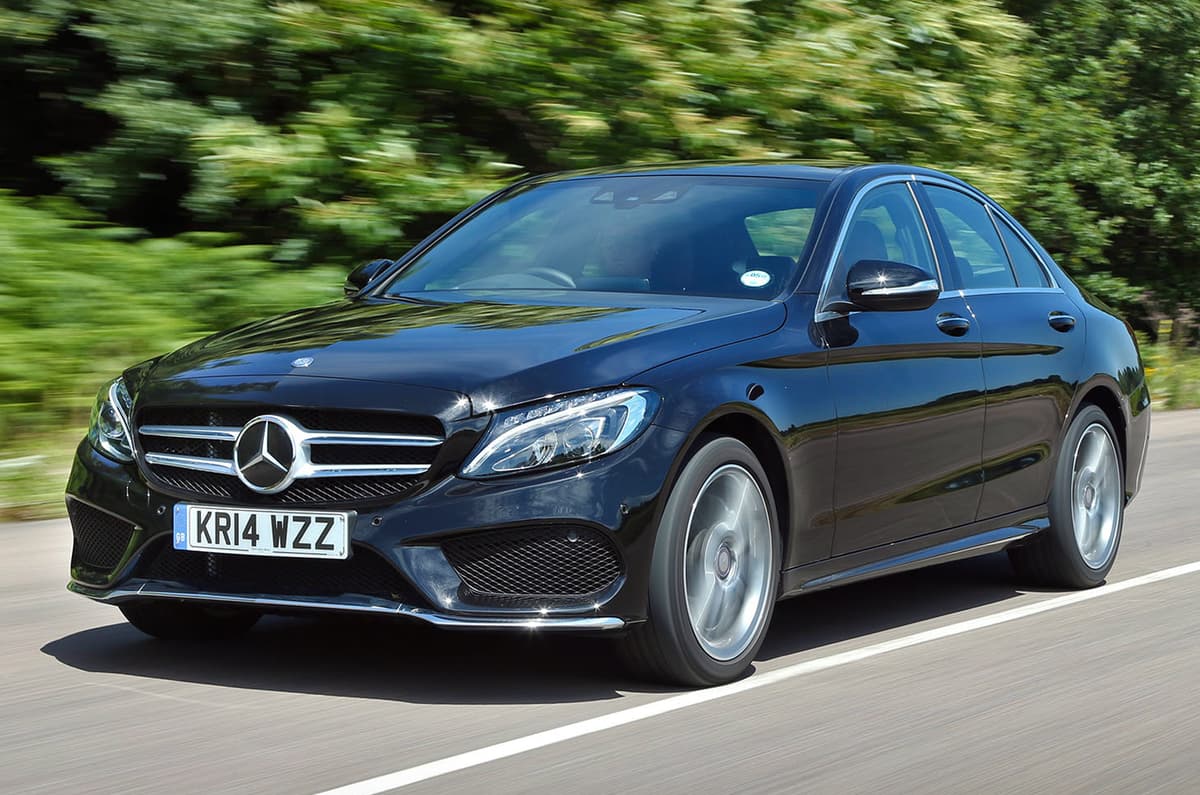
The Mercedes‑Benz C‑Class has long been the cornerstone of the German automaker’s compact‑luxury lineup, and the 2014‑2021 generation marks a technical shift with its Modular Rear‑drive Architecture. By mixing aluminium and steel, the platform sheds roughly 100 kg compared with its predecessor, allowing better fuel efficiency and handling dynamics. This weight advantage, combined with a diverse engine catalogue—from a modest 1.6‑litre four‑cylinder to the high‑output 4.0‑litre V8—positions the C‑Class as a versatile contender against the BMW 3‑Series and Audi A4, especially for buyers who value a refined cabin over outright sportiness.
Ownership costs are a critical factor in the used‑car market, and the C‑Class excels in this arena. Real‑world fuel consumption hovers around 50 mpg for the diesel‑focused C 220 d, albeit roughly 10% less efficient than a comparable BMW 320d. More compelling is the model’s reputation for strong residual values, which translates into lower depreciation for fleet operators and private owners alike. However, prospective buyers should budget for potential diesel‑specific repairs; four‑cylinder turbo and thermostat failures can be expensive, and interior rattles are not uncommon. Optional upgrades such as the Burmester 590‑W surround‑sound system—priced at about $2,900—add a premium audio experience for those willing to invest.
Looking ahead, the used‑C‑Class market remains robust, driven by its blend of luxury appointments, solid resale performance, and a brand cachet that still resonates with executive buyers. While the chassis may lack the razor‑sharp engagement of its German rivals, the car’s comfort‑oriented ride, especially with Airmatic suspension, appeals to commuters and long‑distance travelers. Buyers prioritising interior quality, advanced safety suites, and a respectable total‑cost‑of‑ownership will find the 2014‑2021 C‑Class a compelling alternative to newer models, provided they accept the modest performance trade‑offs and monitor diesel‑engine reliability.
Used Mercedes-Benz C-Class 2014–2021 review
Comments
Want to join the conversation?
Loading comments...