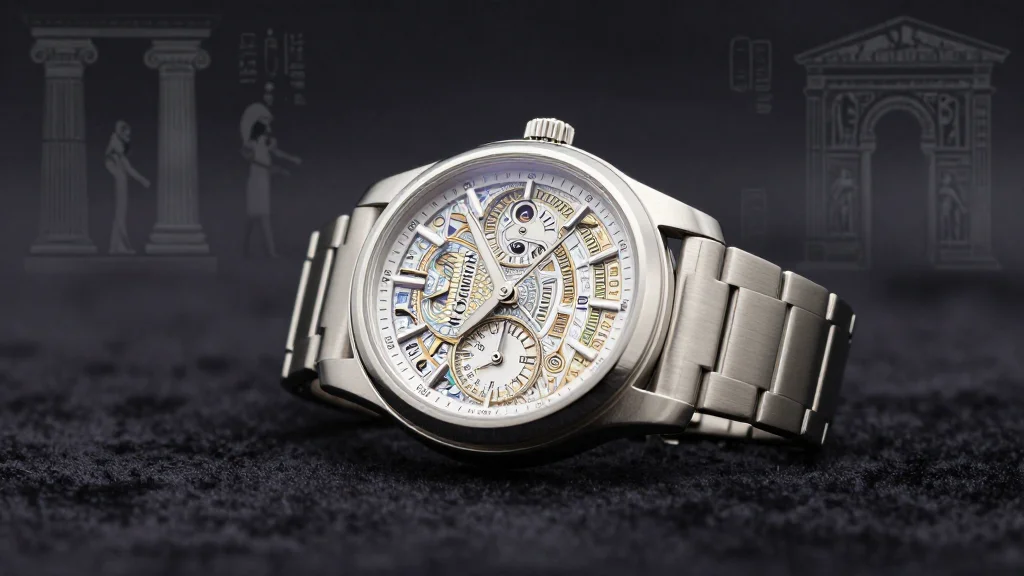
Vacheron Constantin Launches Métiers D’Art ‘Tribute to Great Civilisations’ Collection

Why It Matters
The collection underscores a pivotal shift in the luxury watch market where heritage storytelling and artistic collaboration become as valuable as mechanical innovation. By embedding ancient civilisations into the very fabric of its timepieces, Vacheron Constantin taps into a collector mindset that prizes cultural capital alongside material rarity, thereby expanding the perceived value proposition of haute horology. Moreover, the partnership with the Louvre elevates the brand’s cultural cachet, positioning the watches as museum‑quality artifacts rather than mere accessories. This blurring of lines between fine art and luxury goods could inspire other high‑end manufacturers to pursue similar collaborations, intensifying competition for limited‑edition, art‑centric releases and potentially reshaping pricing dynamics in the sector.
Key Takeaways
- •Vacheron Constantin unveiled four new Métiers d’Art watches honoring Egypt, Greece, Rome and Assyria.
- •Each 42mm white or pink‑gold case features micro‑mosaics, cloisonné marquetry and gilded gold leaf.
- •The watches use the in‑house Calibre 2460 G4 movement with a 40‑hour power reserve.
- •Dial creation required 120‑220 artisan hours per piece, with materials sourced to match original antiquities.
- •The collection reinforces a luxury trend of museum collaborations to blend heritage art with haute horology.
Pulse Analysis
Vacheron Constantin’s latest Métiers d’Art line is more than a product launch; it is a strategic maneuver that leverages cultural capital to deepen brand equity. Historically, the Swiss watch industry has relied on mechanical breakthroughs—chronographs, tourbillons, silicon escapements—to differentiate. In the current era, where technical superiority is increasingly commoditized, narrative depth offers a new moat. By aligning with the Louvre, Vacheron taps into an institution that carries global authority, instantly elevating the watches from luxury accessories to curated artifacts.
The decision to replace Persia with Assyria also reflects a nuanced market reading. While Persian motifs have been explored extensively in recent haute couture, Assyrian iconography remains relatively untapped, offering a fresh visual language that can command premium pricing. This geographic diversification mirrors broader luxury trends where brands seek under‑represented cultural narratives to avoid saturation and to appeal to collectors hungry for novelty.
From a competitive standpoint, the collection raises the bar for artistic integration. Brands like Patek Philippe and Audemars Piguet have dabbled in museum collaborations, but Vacheron’s emphasis on hand‑crafted micro‑artistry and the use of an in‑house movement reserved for artistic pieces creates a differentiated value proposition. If the market responds positively—evidenced by strong pre‑orders or secondary‑market premiums—other maisons will likely accelerate their own heritage‑driven programs, potentially leading to a wave of limited‑edition, museum‑partnered releases. This could compress the traditional product development timeline, as the research and sourcing required for authentic cultural representation is time‑intensive. In sum, Vacheron’s launch signals a pivot toward storytelling‑centric luxury, a shift that may redefine how prestige is measured in the watch industry for years to come.
Vacheron Constantin Launches Métiers d’Art ‘Tribute to Great Civilisations’ Collection
Comments
Want to join the conversation?
Loading comments...