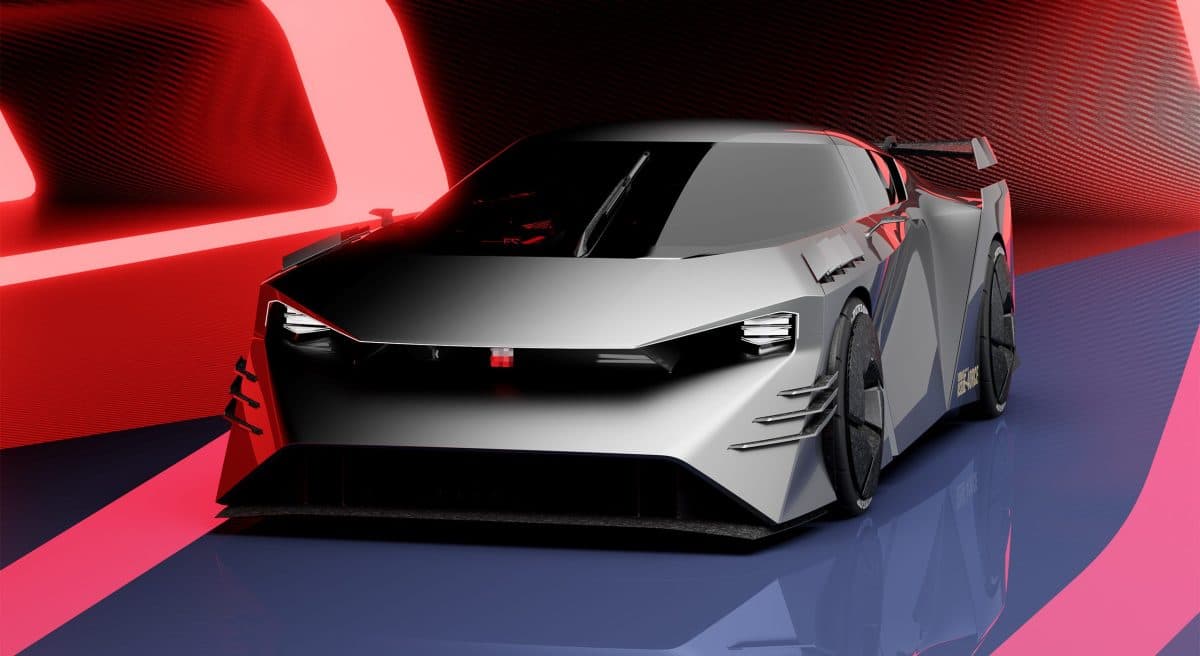
‘We Are Actually Working Already on the GT-R,’ Nissan CEO Confirms
Companies Mentioned
Why It Matters
A hybrid GT‑R revitalizes Nissan’s performance brand and aligns it with global emissions regulations, positioning the company for competitive advantage in the high‑performance market.
Key Takeaways
- •Nissan CEO confirms R36 GT‑R development is already underway
- •Next GT‑R will be a hybrid using the VR38 engine block
- •New chassis will be all‑new, enhancing performance and safety
- •Concrete announcements expected by 2028, with showroom launch before 2030
- •Hybrid GT‑R aims to meet stricter emissions while preserving iconic power
Pulse Analysis
Nissan’s confirmation that the R36 GT‑R is in active development marks a pivotal moment for the automaker’s performance division. By committing to a hybrid architecture that retains the beloved VR38 V6, Nissan aims to blend the raw character of the current Godzilla with the efficiency demanded by increasingly stringent emissions policies. The hybrid powertrain, paired with a completely new chassis, promises improved handling dynamics, weight distribution, and safety features, ensuring the next GT‑R remains a benchmark for sports car engineering.
The timeline outlined by senior vice president Ponz Pandikuthira—concrete announcements by 2028 and a potential showroom launch before 2030—reflects Nissan’s strategic planning around regulatory cycles and market expectations. This window gives the company time to refine battery integration, calibrate performance targets, and align production capacity without compromising the GT‑R’s legendary reputation. Early visibility into the hybrid strategy also reassures enthusiasts that the iconic six‑cylinder roar will persist, even as electric assistance boosts torque and reduces emissions.
From a market perspective, a hybrid GT‑R could rejuvenate Nissan’s brand equity and attract a new generation of buyers seeking both performance and sustainability. Competitors such as Porsche and Ferrari are already rolling out electrified hypercars, so Nissan’s move helps it stay relevant in the premium sports segment. Moreover, the hybrid model may open up additional revenue streams through software updates and performance tuning, leveraging the growing trend of connected, high‑performance vehicles. In sum, the R36 GT‑R represents a strategic blend of heritage and innovation, positioning Nissan to compete fiercely in a rapidly evolving automotive landscape.
‘We Are Actually Working Already on the GT-R,’ Nissan CEO Confirms
Comments
Want to join the conversation?
Loading comments...