What I Learned During New York City Design Week
Why It Matters
Revitalizing American design can unlock growth in the $265 billion market and attract international buyers, strengthening the U.S. foothold in the worldwide furniture industry.
Key Takeaways
- •US furniture market forecast $265 bn in 2026, second to Europe.
- •Designers emphasize material mastery over scale, reviving craft heritage.
- •Regional concepts like “Pennsylvania Modern” aim for global appeal.
- •Innovative materials (marble‑dust resin) reduce weight while preserving aesthetics.
Pulse Analysis
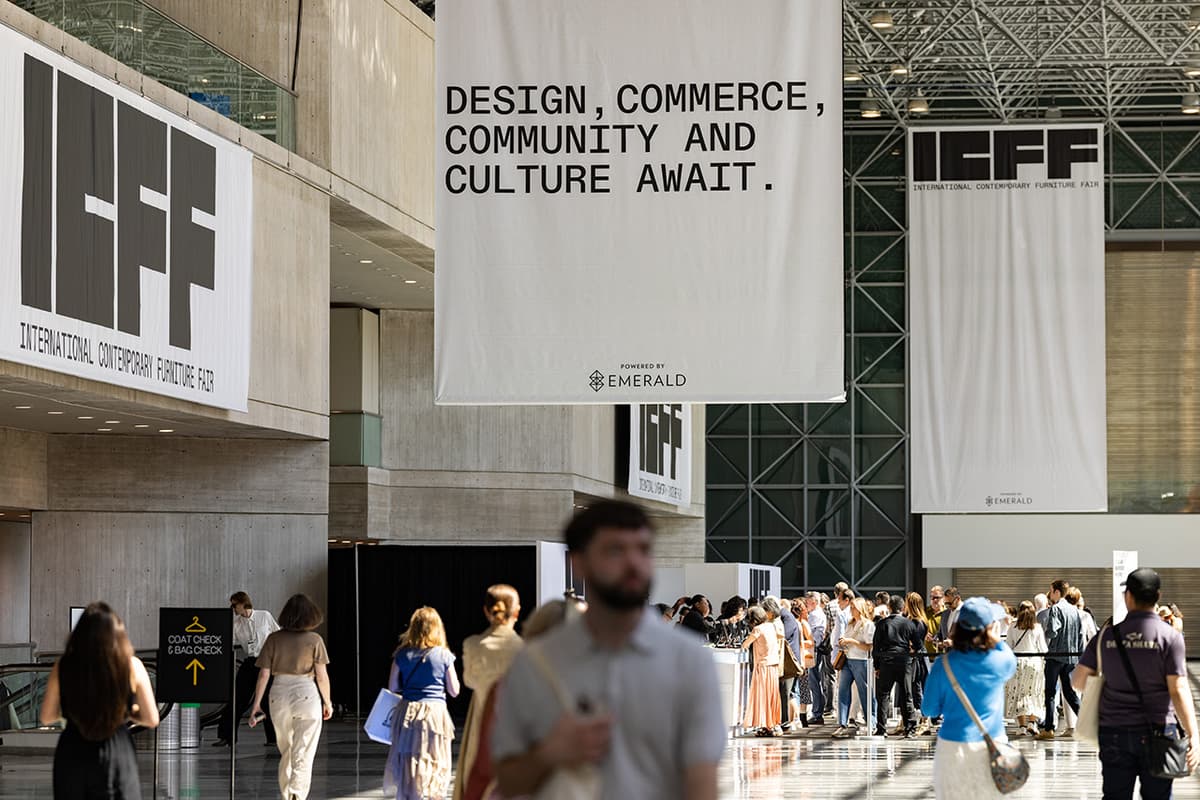
New York City Design Week serves as a barometer for the health of America’s $265 billion furniture sector, a market that remains the world’s largest by revenue. While the United States dominates in volume, its design narrative is frequently eclipsed by European capitals such as Milan and Copenhagen, where avant‑garde aesthetics draw global attention. The week’s showcase, anchored by the ICFF fair, underscores a strategic inflection point: to translate market size into cultural capital, American makers must articulate a distinct creative voice that resonates beyond domestic borders.
A recurring theme among the week’s participants was a return to material‑centric thinking. Nidhi Kapur of Maiden Home warned that the post‑1990s shift toward warehouse‑scale production diluted design intent, urging a revival of craftsmanship where form follows material expertise. Similarly, Jared Rusten positioned his work as a modern continuation of the West Coast Studio Craft legacy, blending Scandinavian minimalism with Californian sensibility. Emerging voices like Ryan Twardzik introduced "Pennsylvania Modern," leveraging regional timber and techniques to craft pieces that feel both locally rooted and globally marketable. These narratives illustrate a broader industry move: leveraging heritage and locality as differentiators in a crowded market.
The implications for investors, retailers and policy makers are clear. By championing innovative materials—exemplified by Joey Aji’s marble‑dust resin furniture—and emotion‑driven design, the U.S. can elevate its design reputation, command higher price points, and capture a larger share of export demand. As global buyers increasingly seek authenticity and sustainability, American firms that embed these values into their product DNA will likely see accelerated growth, reinforcing the United States’ position not just as a volume leader but as a creative powerhouse.
What I learned during New York City Design Week
Comments
Want to join the conversation?
Loading comments...