With These Watches, It’s Not Just What’s on the Inside That Counts
Why It Matters
The launches demonstrate that luxury watchmakers are leveraging advanced materials to make skeleton designs mainstream, expanding market appeal and reinforcing brand relevance in a competitive high‑end segment.
Key Takeaways
- •Hermès launches H08 Titanium Skeleton with all‑titanium movement
- •Piaget unveils Altiplano Ultimate Concept Tourbillon featuring Tiger Eye dial
- •Panerai adds its first skeleton model, expanding brand’s technical portfolio
- •Skeleton watches shift from niche to mainstream luxury segment
- •New materials like carbon coating and ceramic enhance durability and aesthetics
Pulse Analysis
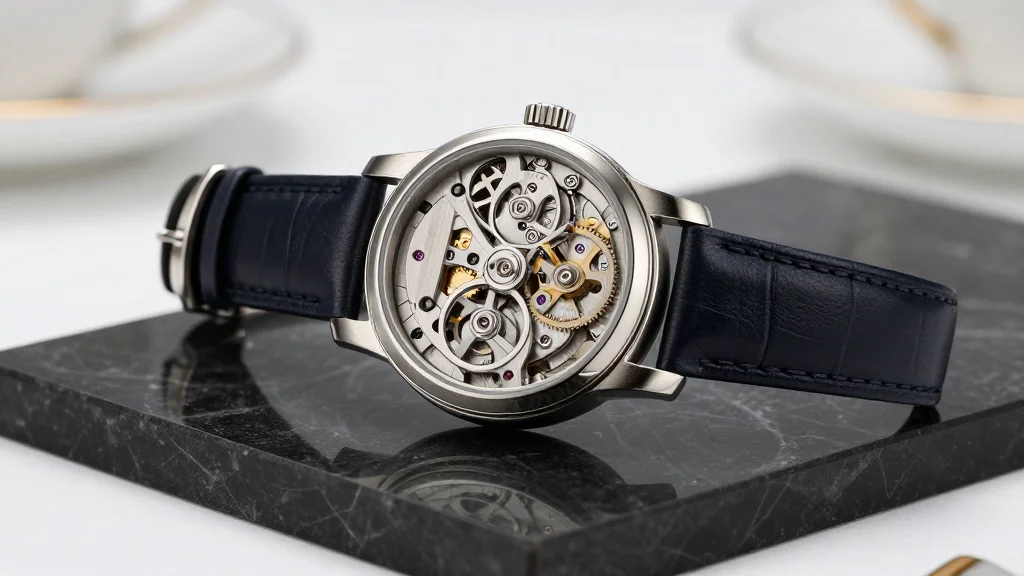
Skeleton watches have long been the domain of heritage marques, but this year’s Watches and Wonders event marks a turning point. By integrating transparent architecture with cutting‑edge materials such as titanium, diamond‑like carbon coating, and high‑tech ceramics, brands are redefining what a skeleton watch can look and feel like. The visual drama of exposed gears now pairs with durability and weight savings, appealing to collectors who value both artistry and wearability. This evolution reflects broader consumer trends favoring technically sophisticated, yet visibly expressive luxury products.
Hermès, Piaget and Panerai each used the platform to showcase distinct innovations. Hermès’ H08 Titanium Skeleton replaces traditional steel with a full‑titanium movement, reducing mass while maintaining structural integrity, and adds a sleek carbon‑coated finish that resists scratches. Piaget’s Altiplano Ultimate Concept Tourbillon pushes the envelope with a Tiger Eye‑inspired dial, marrying high‑frequency regulation with a bold, animal‑print aesthetic that challenges conventional watch design. Panerai, historically known for robust dive watches, entered the skeleton arena for the first time, signaling a strategic diversification of its product line and an embrace of horological artistry.
The market implications are significant. As more luxury houses adopt skeleton technology, the segment is poised to grow beyond a collector’s curiosity into a mainstream luxury offering. This expansion can drive higher average selling prices, stimulate demand for high‑precision manufacturing capabilities, and encourage material innovation across the industry. For investors and industry watchers, the convergence of design transparency and advanced engineering signals a new growth vector in the luxury watch market, where heritage meets high‑tech to capture the next generation of affluent consumers.
With These Watches, It’s Not Just What’s on the Inside That Counts
Comments
Want to join the conversation?
Loading comments...