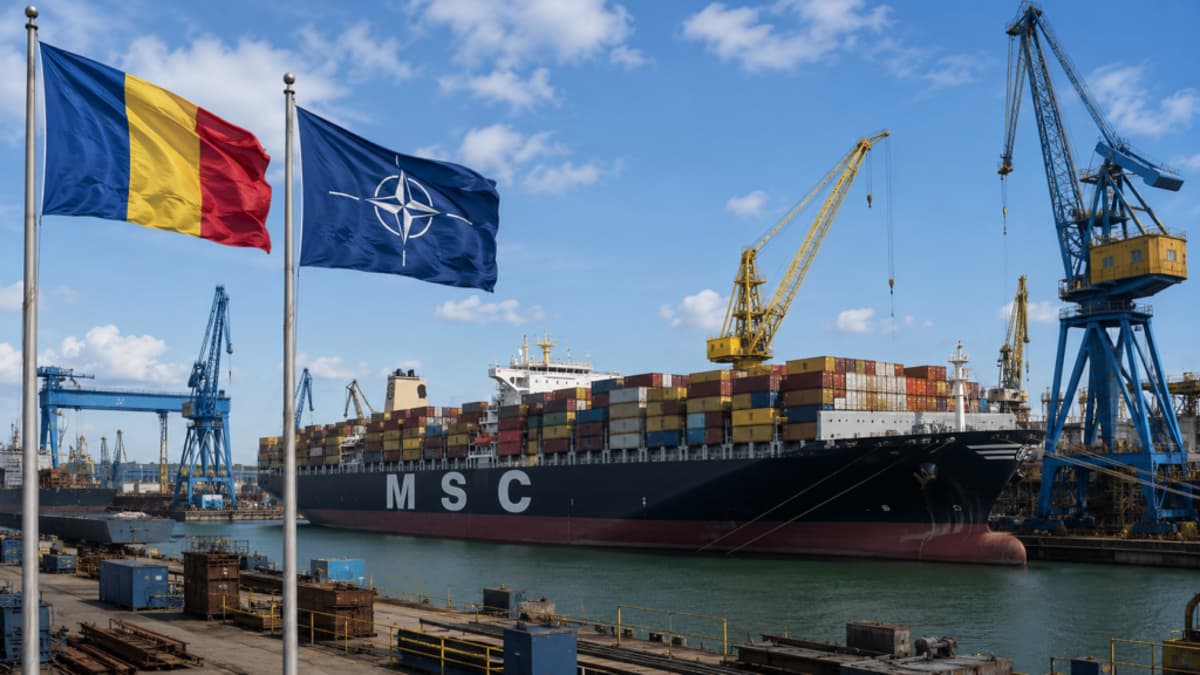
How a Bankrupt Romanian Shipyard Became a NATO Industrial Asset
Key Takeaways
- •Rheinmetall‑MSC bids for Romania's largest, bankrupt shipyard.
- •Goal: Convert yard into NATO maritime‑industrial hub.
- •Strategic move targets Black Sea security amid Russian tensions.
- •Potential creates local jobs and modernizes European defense supply chain.
- •Deal signals broader Western rearmament on NATO's eastern flank.
Pulse Analysis
The bid by Rheinmetall‑MSC marks a strategic pivot from pure commercial rescue to a defense‑focused acquisition. By targeting Romania’s flagship shipyard—once a cornerstone of the country’s maritime industry—Rheinmetall aims to embed a NATO‑compatible production line capable of building and maintaining warships, submarines, and auxiliary vessels. This aligns with Berlin’s broader defense export agenda, which seeks to diversify supply chains away from Russian and Chinese shipbuilders while leveraging local labor and infrastructure.
Romania’s geographic position on the Black Sea makes the shipyard a critical asset for NATO’s forward presence. As Moscow’s naval activities intensify, the alliance has prioritized resilient, regionally based maintenance facilities to reduce turnaround times for combat vessels. Converting the yard into a NATO industrial node would provide rapid repair capabilities, support joint exercises, and enable the deployment of next‑generation platforms such as unmanned surface vessels. Moreover, the project promises to revitalize a struggling local economy, creating skilled jobs and fostering technology transfer between German engineers and Romanian shipbuilders.
The broader implication is a clear signal that Western defense firms are willing to invest in strategic assets beyond traditional markets. Rheinmetall‑MSC’s move could catalyze similar bids across Eastern Europe, prompting a wave of reindustrialization aimed at shoring up the alliance’s eastern flank. For policymakers, the development underscores the importance of aligning commercial incentives with security objectives, ensuring that critical infrastructure serves both economic recovery and collective defense goals.
How a bankrupt Romanian shipyard became a NATO industrial asset
Comments
Want to join the conversation?