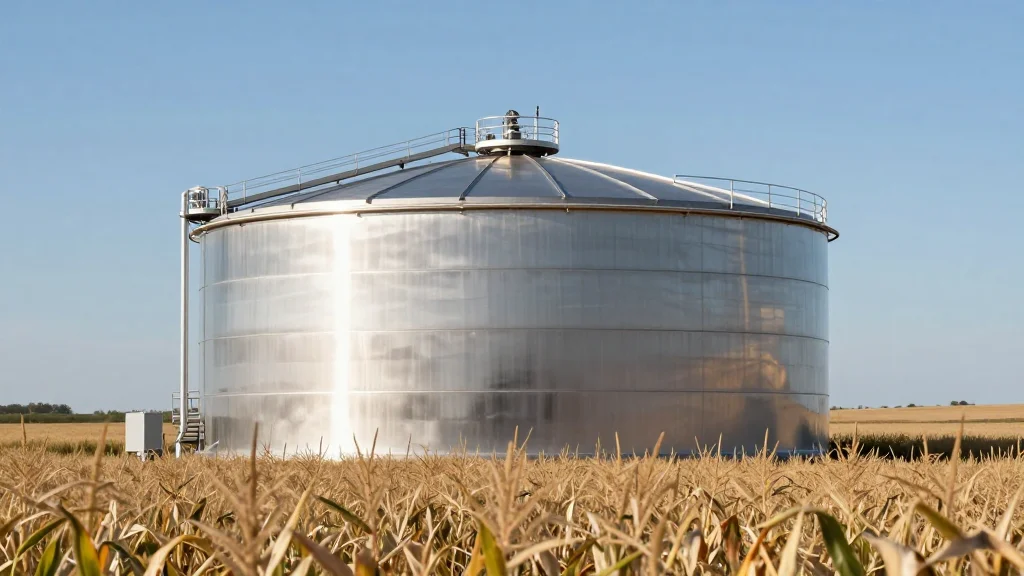
City of Lexington to Acquire Tyson Foods' Wastewater Plant and Farmland
Participants
Why It Matters
Securing Tyson’s assets gives Lexington a tangible foothold to repurpose industrial land, potentially revitalizing a community hit hard by massive layoffs and signaling how municipalities can leverage public‑private deals to rebuild rural economies.
Key Takeaways
- •Lexington to acquire Tyson's wastewater plant and adjacent farmland.
- •Asset purchase aims to spur private investment and new jobs.
- •Tyson's beef plant closure affected ~3,200 workers earlier this year.
- •City and Tyson will explore redevelopment of the former processing site.
- •Senator Deb Fischer praised the plan as a path to economic recovery.
Pulse Analysis
The abrupt shutdown of Tyson Foods’ beef facility in Lexington sent shockwaves through a town that relied heavily on the plant for employment and tax revenue. With roughly 3,200 workers laid off and only a short‑term extension for a few hundred, the community faced a sudden economic vacuum. Such closures are not uncommon in the meat‑packing sector, where consolidation and shifting supply chains can leave single‑town economies vulnerable. The Lexington case underscores the broader risk of over‑reliance on a single employer in rural America.
In response, Lexington’s municipal leaders negotiated the purchase of Tyson’s on‑site wastewater treatment plant and adjacent farmland. By taking control of these critical infrastructure assets, the city hopes to attract private developers interested in converting the site into mixed‑use or industrial projects. The acquisition also provides a revenue stream that can fund redevelopment studies, workforce retraining, and incentives for new businesses. This proactive approach reflects a growing trend where local governments step in to manage distressed industrial assets, turning potential blight into opportunities for diversification and job creation.
The partnership has drawn political support, notably from U.S. Senator Deb Fischer, who highlighted the plan’s role in regional economic recovery. If successful, Lexington could become a model for other towns grappling with plant closures, demonstrating how strategic asset acquisition and public‑private collaboration can mitigate job loss impacts. The initiative may also encourage investors to consider previously overlooked rural sites, potentially reshaping the economic landscape of the Midwest’s manufacturing and agricultural sectors.
Deal Summary
The city of Lexington, Nebraska announced it will acquire Tyson Foods' wastewater treatment plant and adjacent farmland following the closure of the company's beef facility. The acquisition aims to attract private investment, create jobs, and support long‑term economic development in the region.
Comments
Want to join the conversation?
Loading comments...