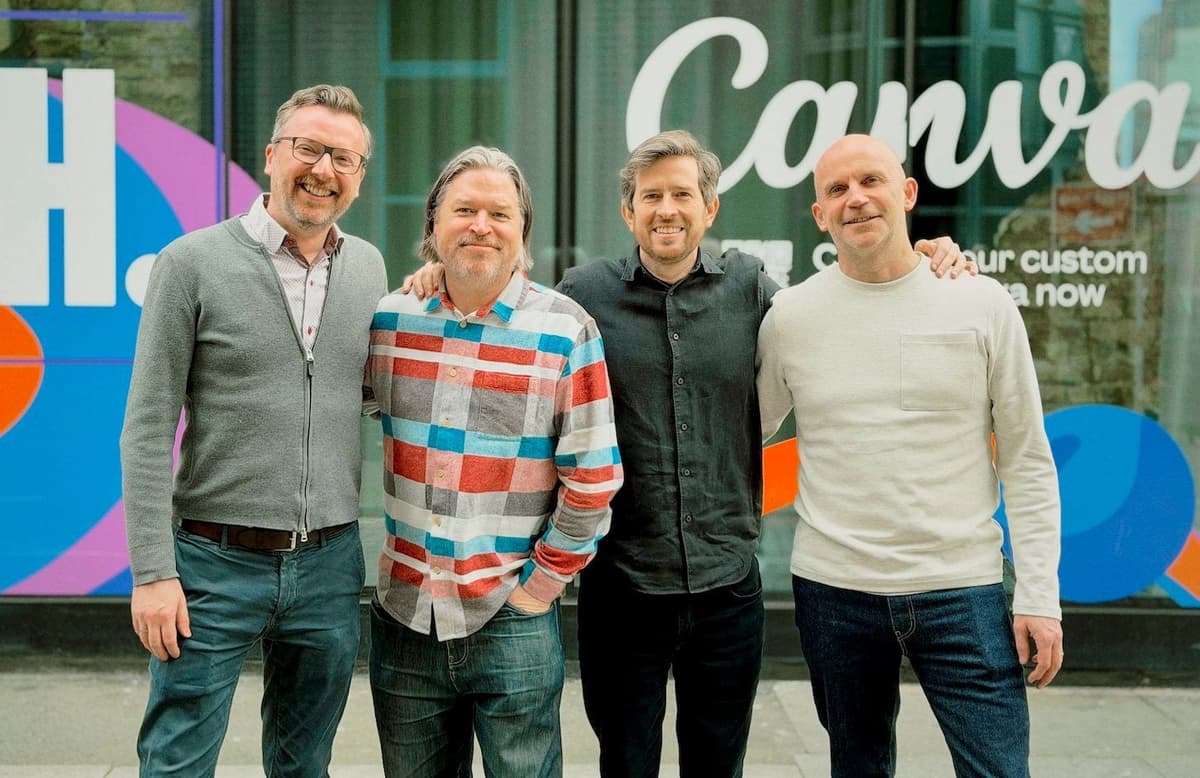
Canva Acquires Manchester Animation Software Group Cavalry
•February 24, 2026
0
Why It Matters
The acquisition gives Canva a ready‑made animation engine, enabling it to offer a unified, cost‑effective solution for designers and to compete more aggressively with traditional, expensive motion‑design software.
Key Takeaways
- •Canva adds 2D animation to its suite.
- •Cavalry’s data‑driven platform used by Amazon, Meta, Google.
- •Acquisition expands Canva’s Affinity suite with motion design.
- •Integration targets faster, cheaper creative workflows.
- •ACF Investors exits, highlighting UK creative sector strength.
Pulse Analysis
Canva’s recent moves signal a decisive shift toward a full‑stack creative ecosystem. As businesses demand faster content production, the line between graphic design and motion design is blurring, prompting platforms to bundle capabilities that once required multiple specialist tools. By acquiring Cavalry, Canva not only fills a functional gap but also positions itself against legacy animation suites such as Adobe After Effects and Toon Boom. The timing aligns with a broader industry trend where cloud‑based, collaborative software is replacing on‑premise, high‑cost alternatives.
Cavalry’s platform distinguishes itself through a data‑centric architecture that pulls creative assets directly from Google Sheets, CSV files or APIs, streamlining the iterative workflow that motion designers face. Its client roster—Amazon, Meta, Google, Netflix—demonstrates enterprise‑grade reliability and scalability. The technology enables rapid keyframe manipulation and real‑time preview, cutting production cycles dramatically. For Canva, integrating this engine means its existing Affinity suite can now offer vector, photo, layout, and now motion tools within a single browser‑based interface, lowering the barrier for freelancers and small agencies.
The acquisition also dovetails with Canva’s parallel purchase of AI startup MangoAI, suggesting a roadmap where generative AI assists both static and animated content creation. This combined capability could accelerate Canva’s entry into markets traditionally dominated by high‑priced, niche software, expanding its addressable market among professional designers and marketing teams. Investors will watch how quickly Canva can roll out motion features and whether the unified platform can deliver on its promise of cheaper, faster, and more accessible creative production. Success could reshape the competitive dynamics of the SaaS design sector.
Canva acquires Manchester animation software group Cavalry
0
Comments
Want to join the conversation?
Loading comments...