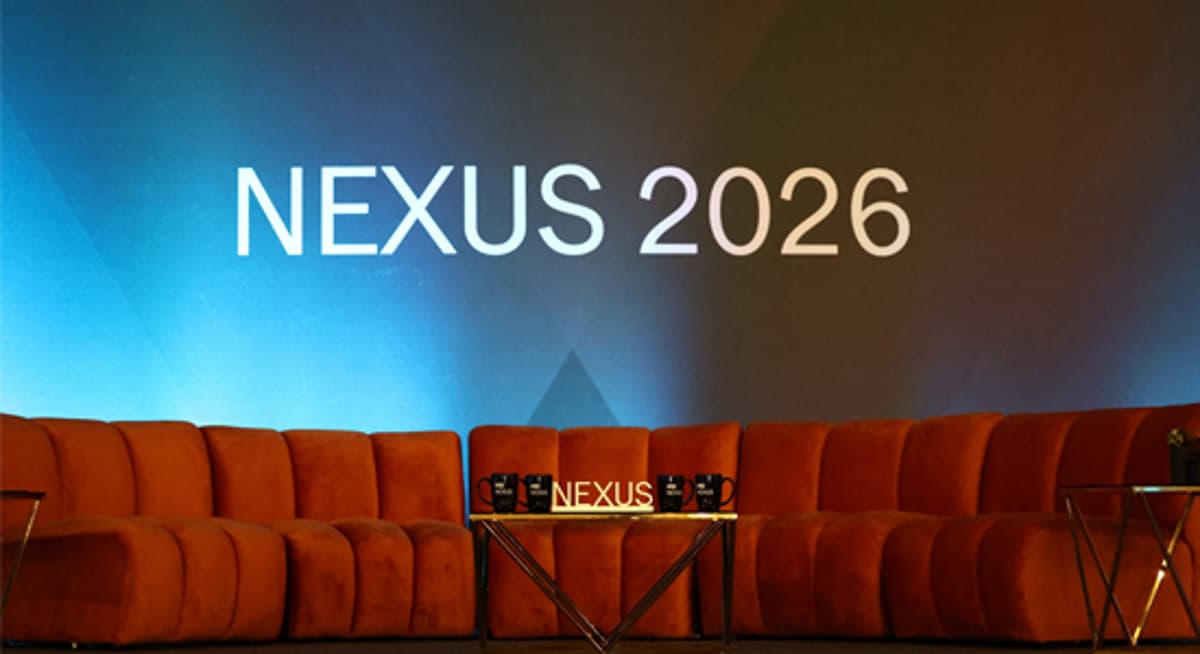
‘Goldman Handful’ and the Zombie Apocalypse: Takeaways From NEXUS
•February 27, 2026
0
Why It Matters
Reduced deal flow at a market‑maker like Goldman signals broader financing constraints, while the rise of zombie firms threatens exit multiples and portfolio performance across private equity.
Key Takeaways
- •Goldman’s mid‑market deals shrink dramatically
- •Zombie companies proliferate on cheap debt
- •Leverage ratios face tighter regulator scrutiny
- •Investors shift toward low‑cycle, resilient sectors
- •Deal sourcing emphasizes credit quality over volume
Pulse Analysis
The NEXUS summit served as a barometer for the current state of the private‑equity ecosystem, with Goldman Sachs’ reduced activity acting as a proxy for overall market liquidity. As the firm trims its mid‑market pipeline, limited partners are reassessing capital allocation strategies, favoring funds that demonstrate disciplined underwriting and robust risk management. This shift underscores a broader industry move away from aggressive leverage, prompting managers to prioritize cash‑flow stability and operational resilience.
Concurrently, the conference spotlighted the growing prevalence of “zombie” companies—businesses that survive primarily due to historically low interest rates. With rates climbing, these entities face heightened default risk, which could cascade into lower exit valuations for private‑equity owners. Analysts warned that the erosion of credit cushions may force sponsors to extend holding periods or accept distressed‑sale pricing, reshaping the traditional buy‑and‑build playbook.
For investors, the takeaways from NEXUS translate into actionable strategies: diversify into sectors less sensitive to economic cycles, tighten due‑diligence on debt structures, and seek partnerships with firms that have demonstrated adaptability during credit‑tightening cycles. By aligning capital with resilient business models and prudent leverage, firms can mitigate the fallout from both a shrinking deal flow at major banks and the looming zombie‑company wave, positioning themselves for sustainable long‑term returns.
‘Goldman handful’ and the zombie apocalypse: Takeaways from NEXUS
0
Comments
Want to join the conversation?
Loading comments...