JinkoSolar Sells 75% Majority Stake in US Manufacturing Business
Companies Mentioned
Why It Matters
The deal gives the U.S. solar supply chain a more domestically‑controlled ownership structure, easing regulatory risk and supporting the push for home‑grown renewable products. It also signals that Chinese solar firms are increasingly forced to cede U.S. assets under protectionist pressure.
Key Takeaways
- •FH Capital acquires 75.1% of JinkoSolar US, keeping 24.9% minority.
- •2 GW Florida plant slated to double capacity under new ownership.
- •New BESS manufacturing will diversify the facility’s product line.
- •Sale aligns with US FEOC restrictions limiting Chinese‑owned solar projects.
- •Industry warns protectionist policies could create component bottlenecks.
Pulse Analysis
The JinkoSolar‑FH Capital transaction marks a watershed moment for the U.S. solar manufacturing landscape. As the Biden administration’s 2025 budget introduced stricter Foreign Entity of Concern (FEOC) criteria, Chinese‑controlled facilities face heightened scrutiny and reduced eligibility for federal tax incentives. By transferring a controlling 75.1% stake to a domestic private‑equity partner, JinkoSolar not only sidesteps these regulatory hurdles but also positions the Jacksonville plant to attract new financing and supply‑chain partnerships that were previously off‑limits.
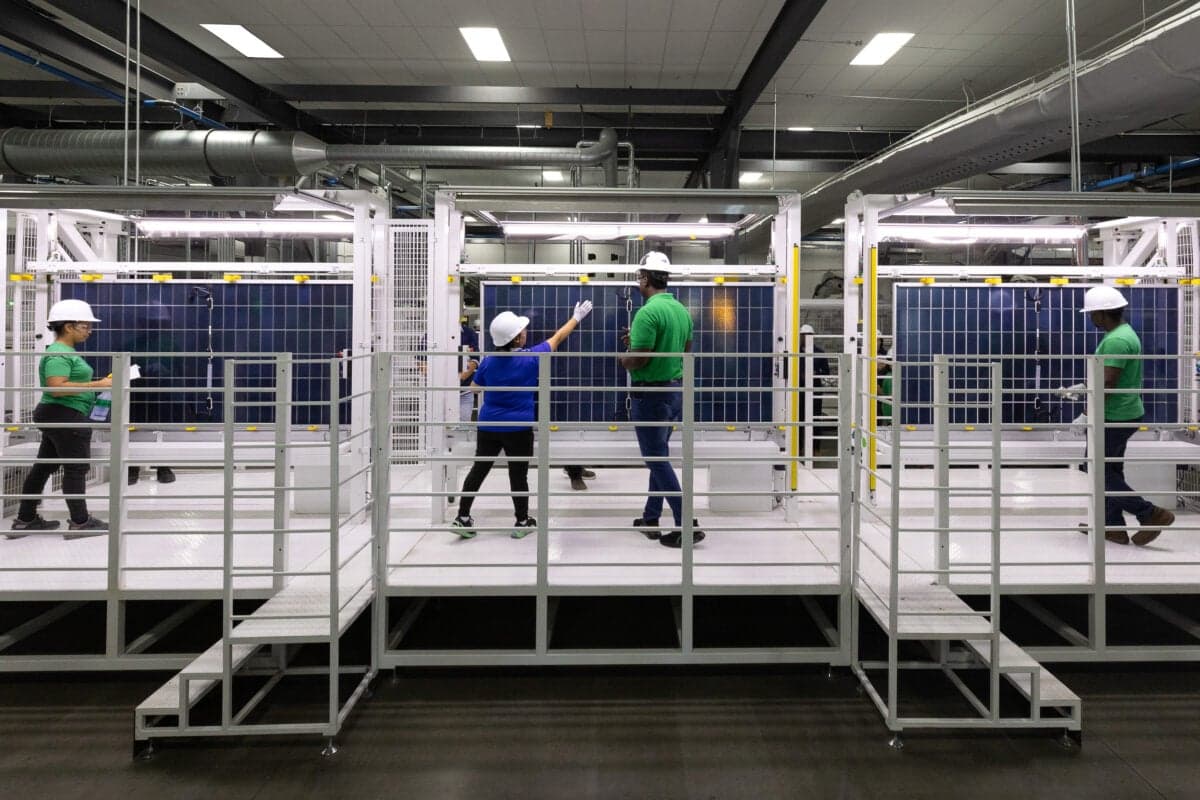
Under FH Capital’s stewardship, the 2 GW module plant is expected to at least double its production capacity, a move that could add roughly 2 GW of annual output and help the United States close the gap with its 50 GW total name‑plate capacity. The announced expansion into battery‑energy‑storage‑system (BESS) manufacturing further diversifies the facility’s portfolio, aligning with the growing demand for integrated solar‑plus‑storage solutions in utility‑scale projects. By keeping a 24.9% minority stake, JinkoSolar retains technical expertise while allowing FH Capital to steer strategic decisions that meet domestic content requirements.
The broader industry reaction is mixed. Proponents argue that reducing Chinese ownership will protect national security and foster a resilient domestic supply chain. Critics warn that aggressive protectionism—exemplified by the ongoing Section 232 polysilicon probe—could choke the market, especially given the current shortage of U.S.-made wafers and cells. If component bottlenecks persist, the cost advantage of locally produced modules may erode, tempering the expected benefits of the divestiture. Nonetheless, the deal illustrates a clear trend: Chinese solar giants are reshaping their U.S. footprint to comply with an increasingly protectionist policy environment, while investors like FH Capital bet on the long‑term upside of a fully Americanized solar manufacturing ecosystem.
JinkoSolar sells 75% majority stake in US manufacturing business
Comments
Want to join the conversation?
Loading comments...