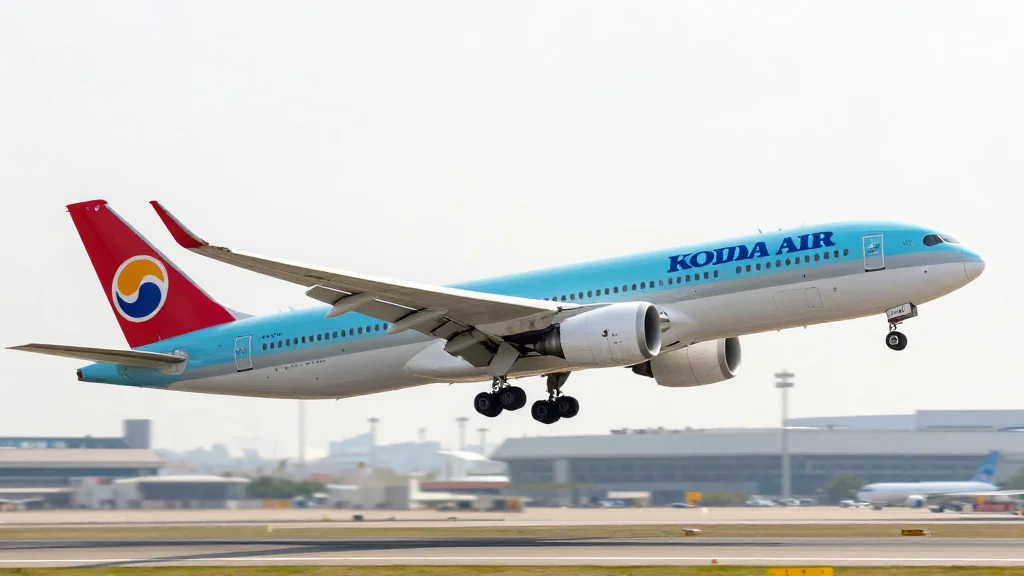
Korean Air Finalizes $2.4B Asiana Takeover, Launches Integrated Flag Carrier

Companies Mentioned
Why It Matters
The Korean Air–Asiana merger creates the first truly integrated airline in South Korea, reshaping the competitive dynamics of East Asian aviation. By consolidating two legacy carriers, the new entity can leverage scale to negotiate better terms with aircraft manufacturers, fuel suppliers, and airport operators, potentially lowering operating costs and passing savings to passengers. Beyond cost, the combined network strengthens Incheon International Airport’s hub status, offering more seamless connections for travelers transiting between North America, Europe and Asia. This could attract additional traffic and cargo volumes, reinforcing South Korea’s position in global supply chains and tourism.
Key Takeaways
- •Deal closed via a 0.2736432 Korean Air share exchange per Asiana share
- •South Korean government provided $2.42 billion emergency aid to Asiana during COVID‑19
- •Integrated airline to commence operations on Dec. 17, 2026
- •Merger consolidates fleet, routes, and workforce of the nation’s two largest carriers
- •Potential cost synergies and enhanced hub connectivity at Incheon Airport
Pulse Analysis
The Korean Air–Asiana consolidation is a textbook example of a domestic mega‑merger aimed at achieving scale in a fragmented market. Historically, airline mergers have struggled to deliver promised cost savings, often due to cultural clashes and integration complexity. Korean Air appears to have mitigated some of these risks by securing government backing early on, which not only stabilized Asiana but also aligned stakeholder interests toward a unified national carrier.
From a market perspective, the combined airline now controls roughly 70% of South Korea’s passenger traffic, giving it leverage to shape fare structures and slot allocations at Incheon. Competitors in the region will need to reassess capacity planning, especially on high‑density routes to Tokyo, Shanghai and Los Angeles, where the new carrier can offer more frequent flights and tighter connections. The merger also sets a precedent for other Asian governments to consider strategic consolidations as a pathway to global competitiveness.
Looking ahead, the success of the integration will hinge on execution. Harmonizing IT systems, aligning labor contracts, and delivering a seamless customer experience are critical milestones. If Korean Air can demonstrate tangible synergies in its first post‑integration earnings, it may trigger a wave of similar consolidation talks across the continent, potentially reshaping the Asian airline landscape for the next decade.
Korean Air Finalizes $2.4B Asiana Takeover, Launches Integrated Flag Carrier
Comments
Want to join the conversation?
Loading comments...