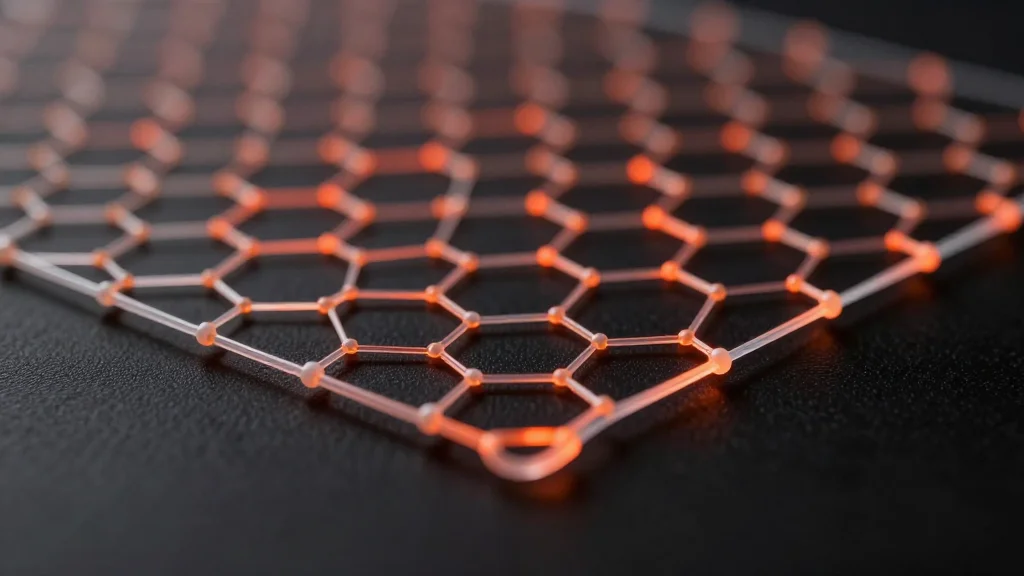
Ming Shing Group to Acquire PMA Nano Carbon Technology for US$110 Million
Why It Matters
The purchase gives Ming Shing immediate access to graphene thermal tech, a fast‑growing segment critical for high‑performance computing and EVs, potentially accelerating its market share in next‑gen electronics.
Key Takeaways
- •$110 M acquisition paid via unsecured convertible promissory notes.
- •PMA Nano Carbon founded just last month, yet offers commercial graphene solutions.
- •Technology targets AI hardware, data centers, EVs, and smart wearables.
- •Deal signals Ming Shing’s strategic shift toward advanced thermal management.
Pulse Analysis
Graphene’s extraordinary thermal conductivity has moved from laboratory curiosity to a commercial differentiator in high‑density electronics. As processors and battery packs become more compact, manufacturers face mounting heat‑dissipation challenges that directly affect performance and lifespan. Companies that can deliver ultra‑thin, lightweight heat‑spreading solutions are poised to capture premium pricing, especially in data‑center servers, AI accelerators, and electric‑vehicle powertrains where efficiency gains translate into lower operating costs.
Ming Shing Group’s $110 million acquisition of PMA Nano Carbon, paid entirely with unsecured convertible promissory notes, underscores a calculated risk‑taking approach. By using convertible debt, Ming Shing preserves cash while retaining upside potential if PMA’s graphene platform scales rapidly. The financing structure also signals confidence in the technology’s ability to generate future cash flows that can service the notes or trigger conversion into equity, aligning incentives between both parties. However, the nascent stage of PMA—established only a month ago—introduces execution risk, making the deal a high‑stakes bet on rapid productization and market adoption.
If Ming Shing successfully integrates PMA’s graphene thermal modules, it could secure a foothold in several fast‑growing markets: AI compute hardware, where thermal throttling limits processing speed; data‑center racks, where cooling costs dominate operational expenses; and electric‑vehicle platforms, where compact, efficient heat management improves range and reliability. Competitors such as 3M, Honeywell and emerging Chinese firms are also investing in advanced thermal materials, so Ming Shing’s early entry may confer a first‑mover advantage. The acquisition highlights a broader industry shift toward material‑science innovations as a pathway to differentiate products in an increasingly performance‑driven landscape.
Ming Shing Group to acquire PMA Nano Carbon Technology for US$110 million
Comments
Want to join the conversation?
Loading comments...