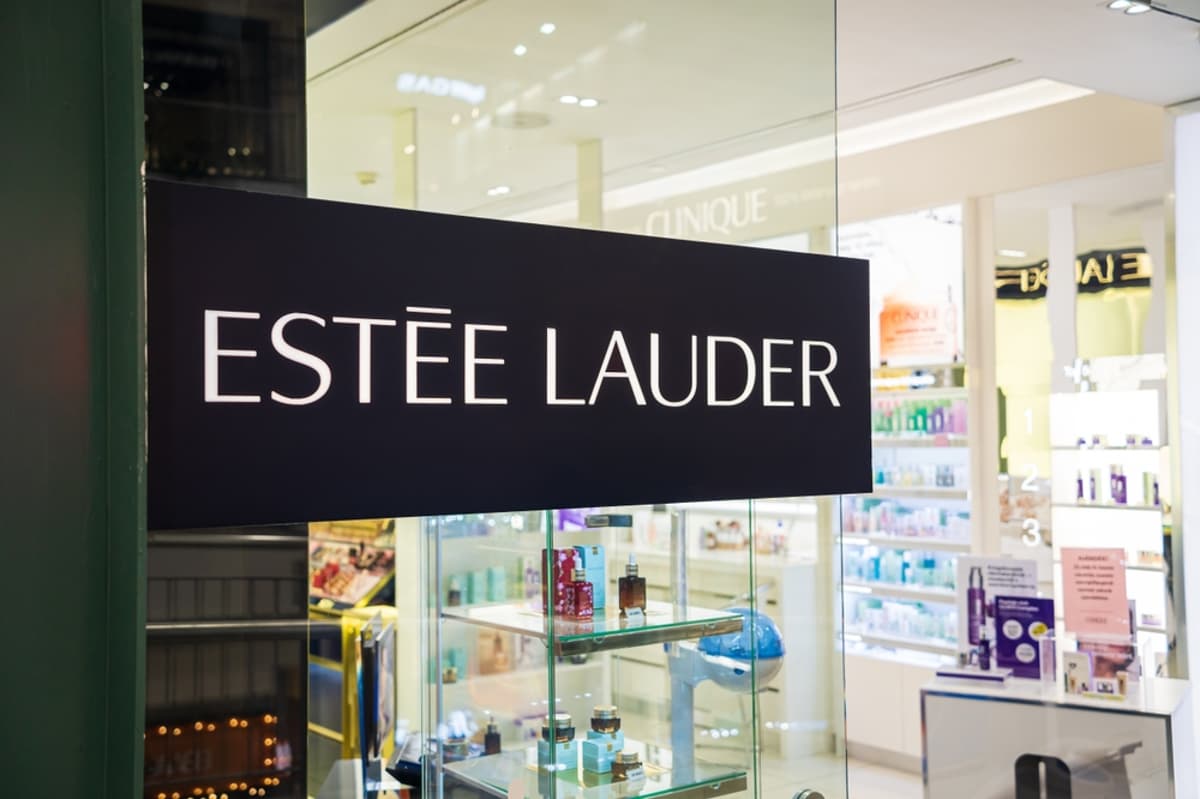
Puig and Estée Lauder Have Ended Merger Talks
Companies Mentioned
Why It Matters
The collapse highlights the difficulty of consolidating luxury beauty brands and signals continued fragmentation in the sector’s M&A landscape.
Key Takeaways
- •Merger would have created $20 bn luxury beauty conglomerate
- •Charlotte Tilbury demands cited as key negotiation obstacle
- •Puig shares fell; Estée Lauder shares rose modestly
- •Both firms reaffirm commitment to existing strategies
- •Future M&A possibilities remain open for each company
Pulse Analysis
The proposed union between Spanish fashion powerhouse Puig and U.S. cosmetics giant Estée Lauder sparked intense speculation about a new heavyweight in the luxury beauty arena. Analysts had pegged the combined entity’s revenue at roughly $20 billion, a figure that would have positioned it alongside industry titans such as L'Oréal and Estée Lauder’s own historic rivals. The deal promised synergies across high‑end fragrance, makeup, and fashion‑forward labels, potentially reshaping distribution channels and accelerating digital‑first initiatives across both portfolios.
Negotiations unraveled primarily over the terms demanded by Charlotte Tilbury, a fast‑growing prestige makeup brand that Estée Lauder recently acquired. Insiders suggest the brand’s valuation expectations and control provisions clashed with Puig’s desire for a more balanced partnership. Beyond the financials, cultural fit and brand autonomy often prove decisive in cross‑border beauty mergers, where heritage and creative direction are as valuable as cash flow. Both companies cited the need to protect shareholder value and maintain strategic focus as reasons for walking away.
Market reaction was swift: Puig’s share price dipped, reflecting investor concerns about missed growth opportunities, while Estée Lauder’s stock ticked up, indicating confidence in its “Beauty Reimagined” roadmap. The split underscores that large‑scale consolidation in the beauty sector remains fraught with brand‑specific hurdles. Investors will watch for new acquisition targets or divestitures as each firm pursues organic growth, and the episode serves as a cautionary tale for future deals that must reconcile brand identity with financial ambition.
Puig and Estée Lauder have ended merger talks
Comments
Want to join the conversation?
Loading comments...