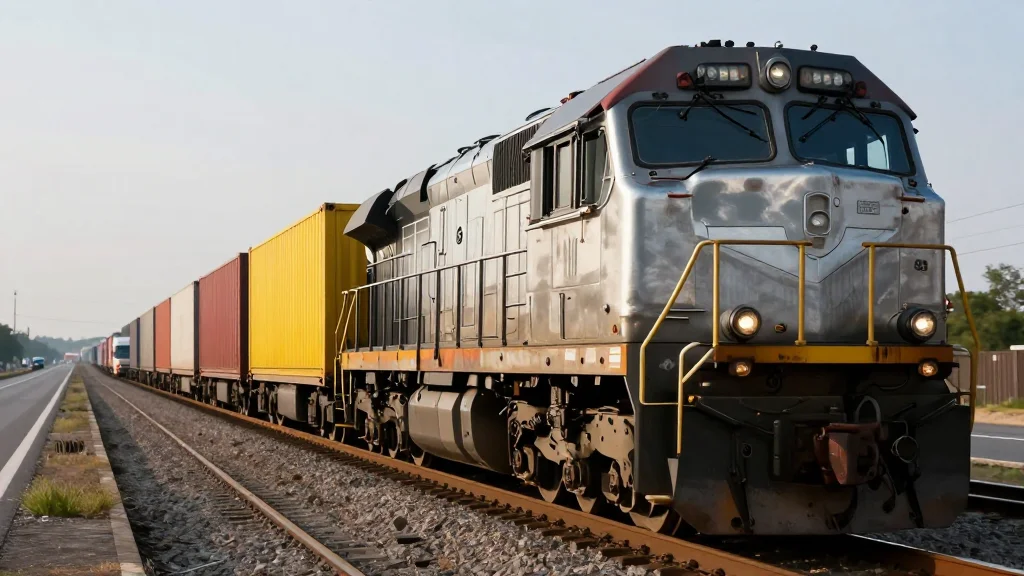
Railroads Blast UP-Norfolk Southern Merger Plan
Why It Matters
The merger would reshape U.S. freight logistics, potentially consolidating half of rail traffic under one entity while raising antitrust and service‑quality questions that could affect shippers nationwide.
Key Takeaways
- •UP-NS merger could shift 2.1 million trucks to rail annually
- •STB deemed the revised application still incomplete
- •Competitors allege projected market share is understated
- •Combined network would span 55,000 miles, covering half US freight
- •Completion targeted for early 2027, but regulators remain skeptical
Pulse Analysis
The Union Pacific‑Norfolk Southern combination represents the most ambitious rail consolidation in U.S. history, prompting the Surface Transportation Board to apply its post‑2001 merger‑review framework for the first time. Regulators must assess whether the proposed 39 percent market share truly enhances competition or merely concentrates pricing power. The STB’s earlier finding of an incomplete filing underscores the heightened scrutiny, as the board requires detailed evidence that the merger will expand shipping options rather than simply preserve the status quo.
Proponents tout a $3.5 billion annual cost reduction for shippers and a projected removal of 2.1 million trucks from highways, arguing that a 55,000‑mile transcontinental rail network will accelerate transit times by one to two days. Yet rival carriers—BNSF, CSX, Canadian Pacific Kansas City and Canadian National—contend that the revised application glosses over fundamental competition concerns and that Union Pacific’s market‑share estimates are deliberately low‑balled. Their filings highlight fears of reduced service quality, higher rates, and diminished bargaining power for freight customers, especially in regions where the merged entity would dominate.
If approved, the merger could set a precedent for future consolidation across the logistics sector, influencing how regulators evaluate scale versus competition in critical infrastructure. Conversely, a rejection would reinforce the STB’s commitment to preserving a competitive rail landscape, potentially encouraging smaller carriers to invest in service improvements. Stakeholders—from manufacturers to retailers—should monitor the board’s decision timeline, as any delay or conditional approval could ripple through supply‑chain planning and investment strategies through 2027 and beyond.
Railroads blast UP-Norfolk Southern merger plan
Comments
Want to join the conversation?
Loading comments...