Companies Mentioned


Why It Matters
The acquisition reshapes global shipping alliances while labor unrest highlights the human cost of consolidation, and new regulatory frameworks aim to curb title disputes and registry fraud that threaten industry stability.
Key Takeaways
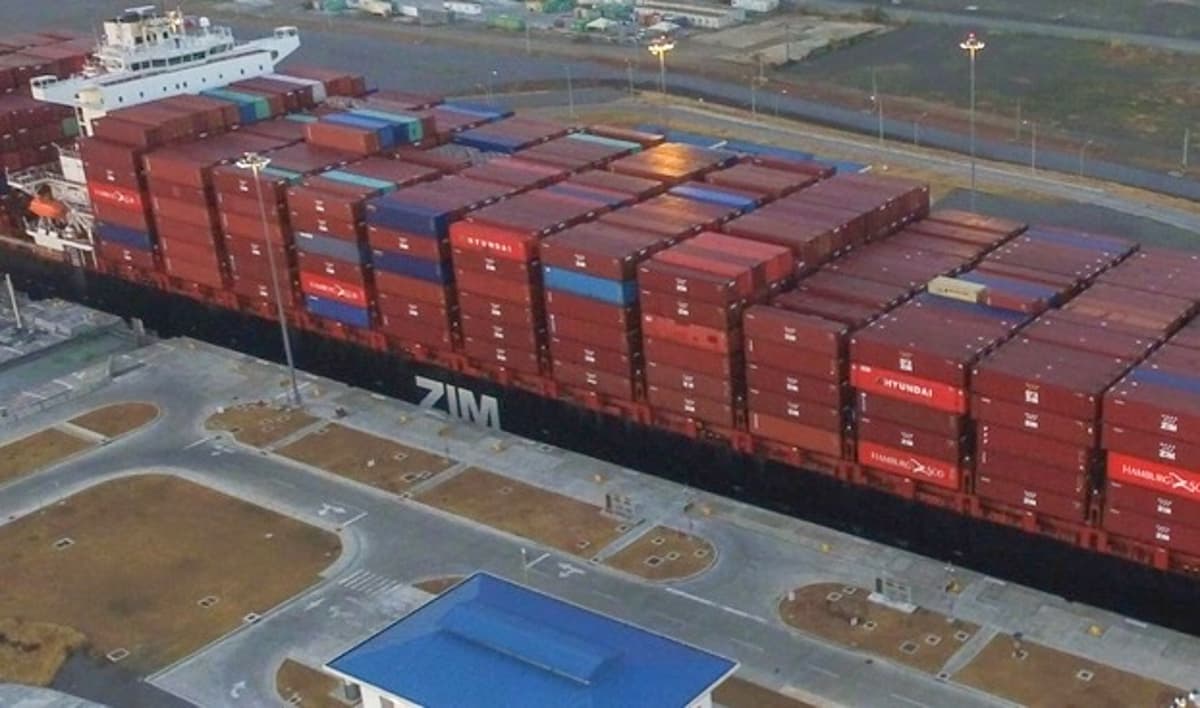
- •$4.2bn ZIM sale to Hapag‑Lloyd approved
- •Israeli workers protest, fear redundancies
- •New ZIM will retain 16 vessels for Israel
- •Beijing Convention now governs judicial ship sales
- •IMO reports 529 ships with fake registries
Pulse Analysis
The Hapag‑Lloyd‑ZIM deal marks one of the largest maritime mergers of the decade, creating a combined network that strengthens European‑Asian trade lanes while preserving a dedicated Israeli service. By carving out the Israeli arm into “New ZIM” under FIMI control, the parties aim to satisfy regulatory scrutiny and maintain strategic routes, yet the labor backlash underscores how consolidation can jeopardise job security in a sector already grappling with overcapacity and volatile freight rates.
Regulatory momentum is accelerating as the Beijing Convention takes effect, offering a uniform legal framework for judicial ship sales. Previously, purchasers often faced title ambiguities that hampered financing and resale. The convention’s provisions on free, unencumbered title promise greater confidence for lenders and investors, potentially unlocking capital for fleet modernization and green retrofits. Shipping firms will need to align transaction structures with the new standards to avoid costly disputes.
Meanwhile, the International Maritime Organization’s alert on 529 vessels operating under fraudulent registries highlights a persistent security and compliance challenge. Fake flags enable owners to evade safety inspections, tax obligations, and sanctions, eroding trust in global shipping. The Splash Wrap podcast delves into the origins of this fraud, from lax flag‑state oversight to complex ownership webs, and discusses collaborative enforcement efforts. Addressing registry fraud is essential for safeguarding maritime supply chains, protecting crews, and ensuring that regulatory reforms like the Beijing Convention achieve their intended impact.
Splash Wrap: ZIM sale tops the agenda
0
Comments
Want to join the conversation?
Loading comments...