Why It Matters
State involvement de‑risks nuclear projects, unlocking private capital and strengthening Sweden’s baseload supply as Europe seeks clean‑energy solutions. The move could become a model for EU nuclear financing and waste‑management strategies.
Key Takeaways
- •Sweden to buy 60% of Videberg Kraft for $195 million
- •State may fund up to $3.7 billion for reactor construction
- •Project targets 1,500 MW from BWRX‑300 or Rolls‑Royce SMRs
- •Waste management budget estimated at $13 billion, could rise to $20 billion
- •Goal: ten new reactors by 2045 to meet industrial electricity demand
Pulse Analysis
Sweden’s latest energy roadmap marks a decisive shift toward nuclear power as the nation confronts rising electricity demand from heavy‑industry electrification. By pledging to replace its aging fleet with the equivalent of ten new reactors by 2045, the government aims to secure baseload capacity while meeting climate targets. The plan aligns with recent EU state‑aid legislation that permits limited public support for strategic projects, and it follows a May 2025 parliamentary vote that cleared the way for state‑backed financing of up to four large‑scale reactors. The initiative also aims to reduce reliance on imported gas.
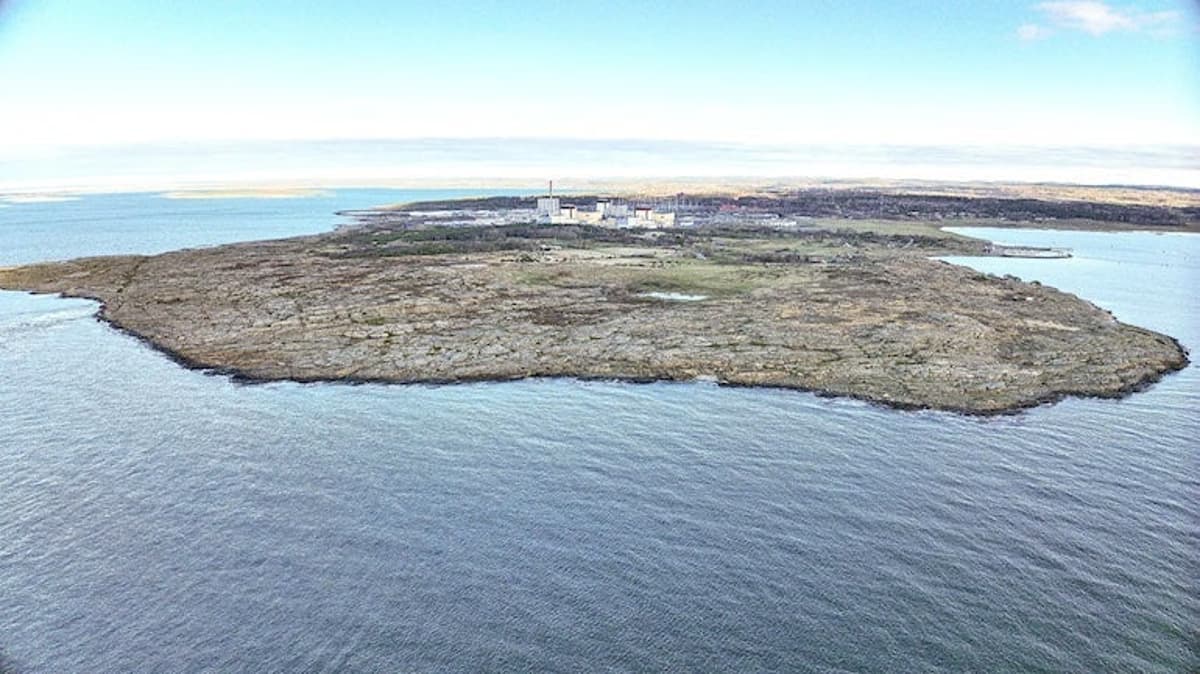
The centerpiece of the strategy is a proposed 60 % government stake in Videberg Kraft, the developer behind a new nuclear complex on the Värö peninsula adjacent to Ringhals. An initial capital injection of 1.8 billion Swedish crowns—about $195 million—will secure the share, while the state seeks parliamentary authority for up to 34.3 billion crowns ($3.7 billion) during construction. Videberg Kraft is weighing two technology paths: five GE Vernova Hitachi BWRX‑300 units or three Rolls‑Royce small modular reactors, together delivering roughly 1,500 MW of capacity. The chosen technology will influence construction timelines and supply‑chain dynamics.
By shouldering a significant portion of fixed costs and committing to waste‑management funding—estimated at $13 billion and potentially rising to $20 billion—the Swedish state aims to de‑risk the venture and attract private capital. If successful, the project could set a template for other EU members grappling with nuclear financing constraints, while reinforcing Sweden’s position as a nuclear‑power nation. The move also signals to investors that large‑scale clean‑energy projects can receive robust public backing, a factor that may accelerate Europe’s broader transition away from fossil fuels. Long‑term waste solutions will be governed by a state‑run programme ensuring regulatory compliance.
Sweden backs nuclear expansion plan
Comments
Want to join the conversation?
Loading comments...