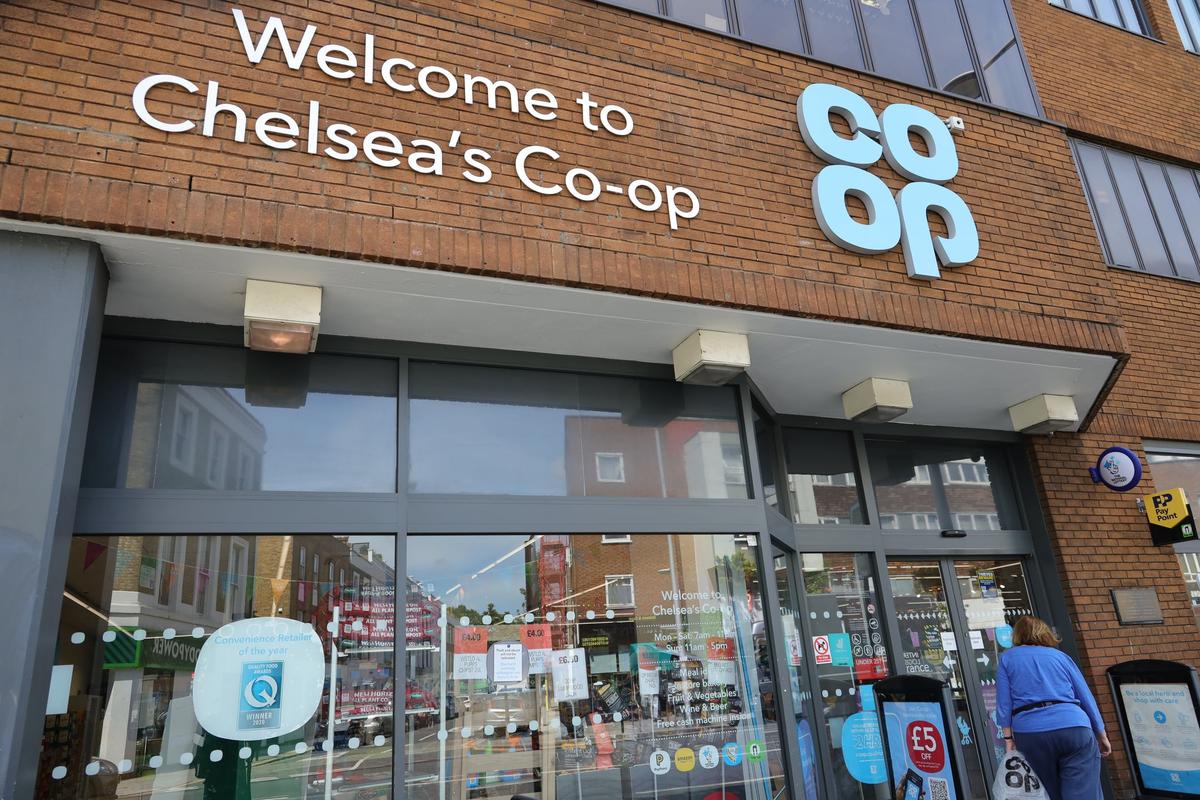
The Co-Op Plans Full Takeover of Struggling Southern Co-Op
Why It Matters
The merger creates a significantly larger cooperative retailer, enhancing economies of scale and member benefits while stabilising a financially distressed regional co‑op. It also reshapes the UK grocery‑and‑funeral market, intensifying competition among the few large co‑op players.
Key Takeaways
- •300,000 Southern members join The Co‑op’s 7 million‑member network
- •~300 outlets and three crematoria added to The Co‑op’s portfolio
- •Deal hinges on member vote and CMA approval, targeting Q3 2026
- •Southern’s recent store divestments signal urgent need for scale
- •Combined entity will broaden grocery and funeral service offerings
Pulse Analysis
The cooperative retail sector in the UK has entered a consolidation phase as smaller, member‑owned chains grapple with inflation‑driven cost pressures. Southern Co‑op, a historic Portsmouth‑based cooperative founded in 1873, has struggled to sustain profitability, prompting the sale of 22 directly operated stores last June. Such divestments underscore the challenges faced by regional co‑ops that lack the purchasing power and distribution efficiencies of larger rivals. By seeking a full takeover by The Co‑op, Southern aims to secure the financial stability and operational support that a larger network can provide, while preserving its member‑owned ethos.
Under the proposed agreement, The Co‑op would absorb roughly 300,000 Southern members, swelling its membership to about seven million. The acquisition would also bring approximately 300 food, funeral and Starbucks locations, along with three crematoria, into The Co‑op’s existing portfolio. This expansion not only deepens The Co‑op’s grocery footprint across the south of England but also bolsters its funeral services—a growing revenue stream as the UK population ages. The transaction remains subject to a member ballot and clearance from the Competition and Markets Authority, with a target closing in the third quarter of 2026. If approved, the combined entity could leverage shared supply chains, negotiate better terms with suppliers, and invest in technology upgrades across its expanded store network.
Strategically, the merger positions The Co‑op as a more formidable competitor to the dominant supermarket chains and other co‑operative groups. A larger membership base enhances collective bargaining power, potentially translating into lower prices and richer member benefits, which are core tenets of the co‑operative model. Moreover, the added funeral and crematoria assets diversify revenue, mitigating reliance on thin grocery margins. Regulators will scrutinise the deal for any anti‑competitive effects, but the cooperative structure—where profits are redistributed to members—may ease concerns. In a market where business rates and operational costs remain a threat, the combined co‑op could advocate more effectively for policy reforms, securing a sustainable future for member‑owned retail in the UK.
The Co-op plans full takeover of struggling Southern Co-op
Comments
Want to join the conversation?
Loading comments...