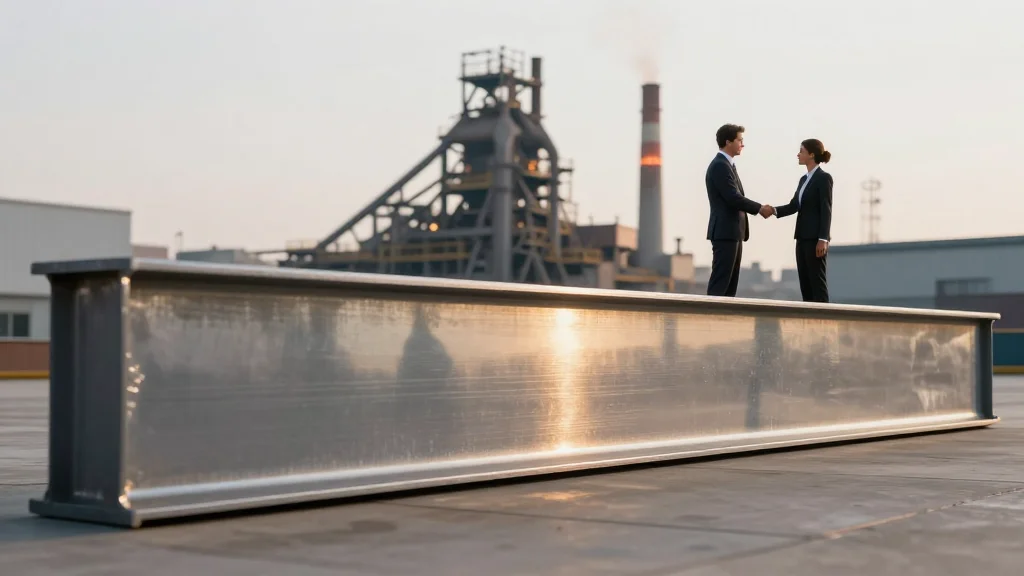
Thyssenkrupp, Jindal Agree to Pause Talks on Sale of Steel Unit
Why It Matters
The pause delays Thyssenkrupp’s restructuring and potential consolidation in the European steel market, while EU protections are reshaping industry dynamics.
Key Takeaways
- •Thyssenkrupp halts sale talks with Jindal Steel International
- •Disagreements focus on pension liabilities, required investments, and energy costs
- •EU safeguard measures are lifting European steel prices in 2026
- •Sale pause prolongs Thyssenkrupp's restructuring timeline
Pulse Analysis
The European Union’s recent safeguard tariffs on low‑priced Asian steel have given a battered continental industry a rare boost. After years of overcapacity, plant closures, and job cuts, the measures have lifted spot prices by roughly 15‑20 percent, creating a more favorable environment for domestic producers. Analysts now view Q1 2026 as a potential inflection point, with higher margins encouraging investment and reducing the urgency of asset sales. The policy shift also aligns with the EU’s broader strategy to secure strategic supply chains and curb dumping.
Against this backdrop, Thyssenkrupp announced it is pausing negotiations with India’s Jindal Steel International over a possible divestiture of its steel arm, Thyssenkrupp Steel Europe, the continent’s second‑largest steelmaker. Sources cite divergent views on pension liabilities, required capital injections, and soaring energy costs as the primary blockers. The pause, described as mutual, stalls a deal that could have delivered a quick cash infusion for the German conglomerate’s broader restructuring plan. Without a buyer, Thyssenkrupp must now explore alternative financing or operational turnarounds.
The stalled transaction underscores a broader trend of cautious consolidation in Europe’s steel sector. While safeguard measures improve pricing, they do not eliminate structural challenges such as high labor costs and volatile energy markets. Companies like Thyssenkrupp may pivot to joint ventures, technology upgrades, or selective asset sales rather than full divestitures. Investors will watch how the firm balances short‑term liquidity needs with long‑term competitiveness, especially as the EU prepares to extend its anti‑dumping framework through 2030. The outcome will shape the competitive landscape for steel producers across the region.
Thyssenkrupp, Jindal agree to pause talks on sale of steel unit
Comments
Want to join the conversation?
Loading comments...