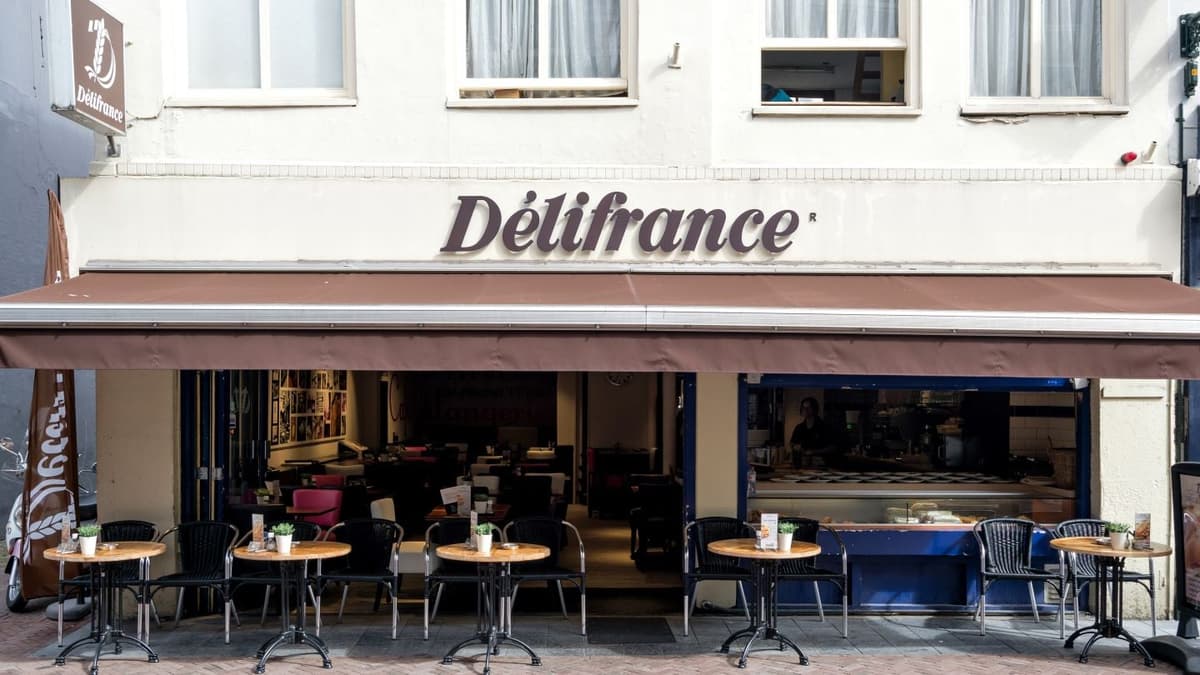
Vandemoortele Concedes Délifrance Deal Could Hit UK Competition, Watchdog Says
Why It Matters
The potential market dominance could drive up prices or reduce quality for UK retailers and food‑service operators, while the ongoing scrutiny underscores heightened regulator vigilance over food‑industry consolidations.
Key Takeaways
- •CMA flags substantial competition loss in UK frozen dough market
- •Vandemoortele may become largest UK frozen viennoiserie supplier
- •EU clearance tied to divestiture of two French dough facilities
- •No buyer yet for the French plants Vandemoortele must sell
- •Deal creates €2.4 bn ($2.6 bn) bakery group with 28 plants, 3,500 staff
Pulse Analysis
The bakery industry has seen a wave of mergers as producers chase scale in the high‑margin frozen laminated‑dough segment, which feeds croissants, danishes and other viennoiseries to supermarkets and coffee chains. 6 bn) group with 28 plants and a workforce of roughly 3,500. Such concentration raises red flags for competition watchdogs, especially in the United Kingdom where the merged entity could command a decisive share of the supply chain.
For UK retailers and food‑service operators, reduced competition can translate into higher unit costs and fewer innovation incentives. The CMA’s Phase 1 findings already warned that the merger could make Vandemoortele the dominant supplier of frozen viennoiserie, potentially squeezing out smaller bakeries that specialize in niche flavors or regional recipes. In practice, this could limit bargaining power for chains like Tesco or Pret A‑Manger, while consumers might see price upticks or a narrowing of product variety. The regulator’s decision to proceed with a Phase 2 probe underscores the seriousness of these market‑level risks.
Across the EU, the European Commission granted provisional approval only after Vandemoortele pledged to sell two French laminated‑dough facilities in Avignon and Béthune, a classic remedy aimed at preserving competitive friction. Yet the absence of a confirmed buyer leaves the divestiture hanging, adding uncertainty to the transaction’s timeline. For Vandemoortele, the acquisition promises broader geographic reach and a stronger portfolio of private‑label and branded products, but the regulatory cost—both in time and potential asset loss—highlights a growing trend: food‑industry consolidations now face tougher scrutiny, forcing firms to balance growth ambitions with antitrust compliance.
Vandemoortele concedes Délifrance deal could hit UK competition, watchdog says
Comments
Want to join the conversation?
Loading comments...