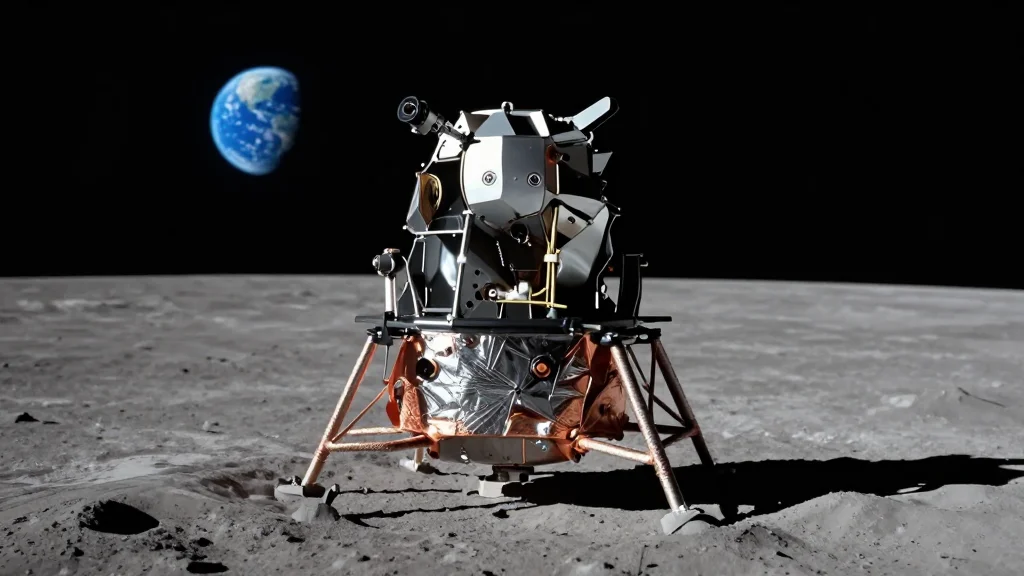
Voyager to Acquire Astrobotic for Up to $300 Million, Building Full‑Stack Lunar Platform

Companies Mentioned
Why It Matters
The Voyager‑Astrobotic deal signals that the lunar economy is moving from fragmented experimentation to consolidated, mission‑critical infrastructure. By uniting launch, landing, and surface‑power capabilities, the combined firm can offer end‑to‑end solutions that reduce risk for NASA and commercial customers, potentially reshaping procurement strategies across the space sector. For the broader M&A landscape, the transaction illustrates how defense and aerospace firms are leveraging capital to capture strategic footholds in emerging domains such as lunar habitation and in‑situ resource utilization. As government budgets for Artemis and related programs expand, we can expect a wave of similar deals aimed at securing proprietary technology, contract pipelines, and market share before the sector matures.
Key Takeaways
- •Voyager to acquire Astrobotic for up to $300 million in cash and stock
- •Deal closes by early July 2026, subject to regulatory approval
- •Creates a full‑stack lunar platform covering launch, landing, power, and habitation
- •Astrobotic brings $600 million in NASA and DoD contracts and a proven lunar lander
- •Positions Voyager as a primary supplier for NASA’s Artemis and Moon Base II initiatives
Pulse Analysis
Voyager’s move reflects a strategic shift from component‑level contracts to platform‑level offerings in the space domain. Historically, lunar projects have been fragmented across dozens of niche suppliers, each handling a single subsystem. By consolidating those subsystems, Voyager can capture higher margins, negotiate more favorable terms with NASA, and reduce integration overhead for downstream customers. This mirrors trends seen in the satellite industry, where vertically integrated operators have outperformed pure‑play manufacturers.
The $300 million valuation also highlights the premium placed on flight heritage. Astrobotic’s successful delivery of a commercial lunar lander and its existing $600 million contract backlog provide a tangible risk mitigation factor that pure‑play startups lack. For investors, the deal offers a clearer path to revenue visibility, as NASA’s Artemis funding is now a multi‑year, multi‑billion‑dollar commitment. However, the integration risk remains significant; aligning defense‑grade engineering processes with commercial agility will test Voyager’s management bandwidth.
Looking ahead, the acquisition could catalyze a consolidation wave as other defense contractors—Lockheed Martin, Northrop Grumman, and Boeing—evaluate similar purchases to round out their lunar service portfolios. The market may also see increased private‑capital interest in downstream lunar activities, such as mining and tourism, which will require the kind of end‑to‑end infrastructure Voyager now claims to provide. The success of this deal will likely become a benchmark for how quickly the lunar supply chain can coalesce into a commercially viable ecosystem.
Voyager to Acquire Astrobotic for Up to $300 Million, Building Full‑Stack Lunar Platform
Comments
Want to join the conversation?
Loading comments...