Why an Airport Water-Art Display May Spark US Airline Consolidation
Why It Matters
The attraction turns gate space into premium real estate, driving airlines toward consolidation to protect market share and operational efficiency. This could alter competitive dynamics and trigger regulatory scrutiny.
Key Takeaways
- •Water feature enhances airport brand and passenger dwell time
- •Airlines compete for prime gate positions near the display
- •Higher foot traffic may increase ancillary revenue for carriers
- •Consolidation could streamline slot allocation and reduce costs
- •Regulators may scrutinize mergers triggered by hub realignment
Pulse Analysis
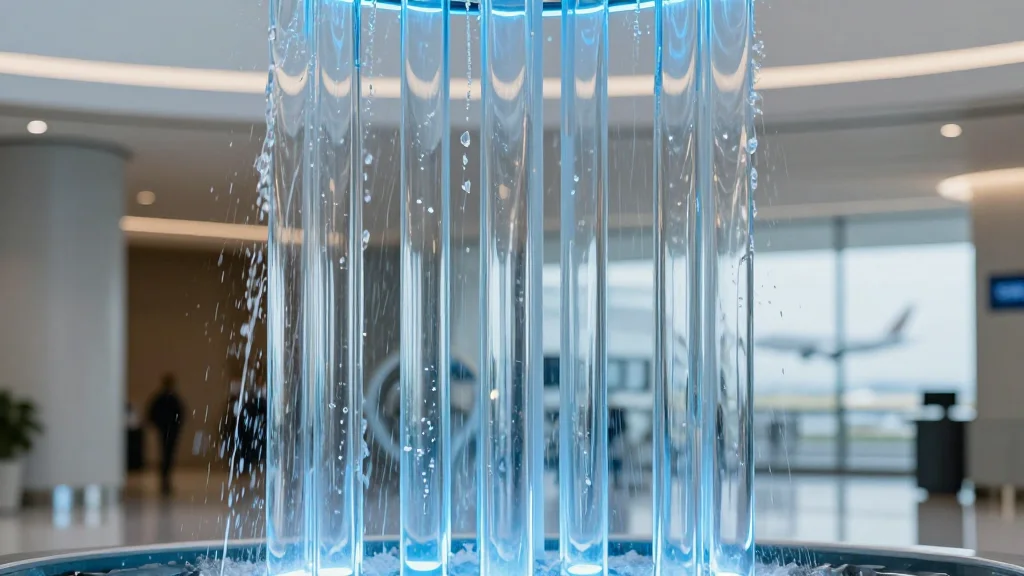
The water‑art installation, a kinetic sculpture that cycles through mist and light, is more than a visual centerpiece; it redefines the airport experience by encouraging passengers to linger in concourses. This behavioral shift translates into higher exposure for airline retail outlets and lounge services, making gate proximity a strategic asset. Carriers that secure locations adjacent to the display can leverage increased foot traffic to boost ancillary revenues, a crucial metric as airlines seek new profit streams beyond ticket sales.
From a competitive standpoint, the new premium gate real estate intensifies rivalry among legacy carriers and low‑cost airlines alike. As airlines scramble for the most visible positions, the pressure to acquire or relinquish slots intensifies, prompting discussions of joint ventures or outright mergers to safeguard market share. Consolidation offers a pathway to rationalize gate usage, share infrastructure costs, and negotiate more favorable terms with airport authorities, especially in congested hubs where slot scarcity drives up prices.
The broader implication for the U.S. airline industry is a potential acceleration of the consolidation trend that has been simmering since the 2010s. Regulators will likely scrutinize any merger proposals that emerge from this gate‑competition dynamic, balancing consumer protection against the efficiencies of scale. Ultimately, the water‑art display serves as a microcosm of how experiential airport enhancements can ripple through airline strategy, influencing market structure, pricing power, and the future of hub connectivity.
Why an airport water-art display may spark US airline consolidation
Comments
Want to join the conversation?
Loading comments...