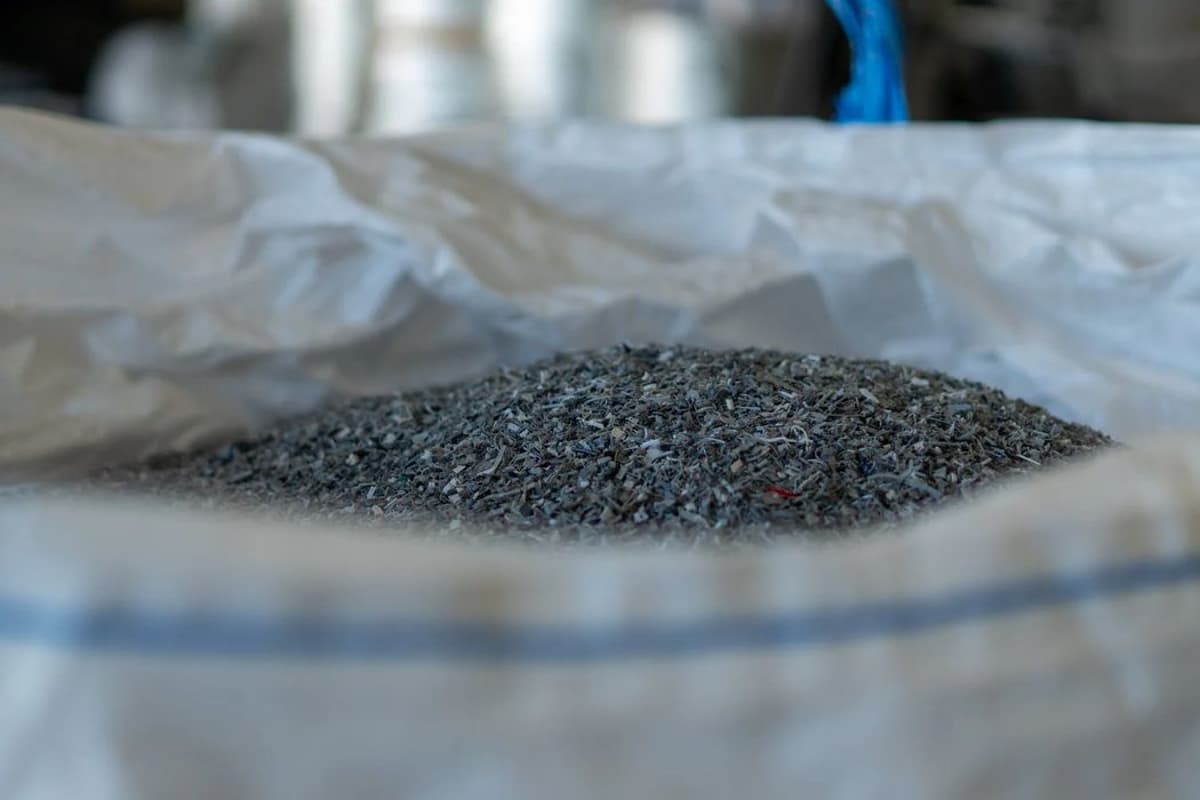
3D Print Recycling Firm RecyclingFabrik Pauses Intake to Develop Next-Generation Process
Key Takeaways
- •Processes 1,200 packages monthly, holding 80 tonnes of filament
- •RecyclingFabrik is the only viable 3‑D‑print scrap recycler in Europe
- •Paused intake to build cycle 2.0, a more scalable system
- •Success could enable decentralized recycling and cut landfill waste
Pulse Analysis
The rapid adoption of desktop and industrial 3‑D printers has created a parallel surge in plastic waste. Unlike traditional manufacturing, printed parts often generate off‑cuts, support structures, and failed builds that end up as mixed polymer scraps. Recycling these materials is technically difficult because each filament type—PLA, ABS, TPU, etc.—requires separate processing to avoid contamination, and the resulting recycled filament typically costs more than virgin stock. RecyclingFabrik, a German startup founded in 2021, has become one of the few companies that consistently turns such heterogeneous waste into usable filament, positioning it as a rare success story in a field where many pilots have stalled.
According to the firm’s latest update, it is currently handling roughly 1,200 packages of scrap each month and has accumulated about 80 tonnes of material in inventory. The volume has outgrown the company’s existing logistics, sorting and cost structure, prompting a temporary halt on new intake while it engineers cycle 2.0. The next‑generation line promises higher throughput, lower energy use, and a more modular design that could be replicated in regional hubs. By rebuilding the process from the ground up, RecyclingFabrik aims to reduce per‑kilogram costs and improve filament quality, addressing the two primary barriers that have kept recycled filament from competing with fresh polymer.
If the upgraded system delivers on its promises, the ripple effect could be significant for the broader additive‑manufacturing ecosystem. A scalable, cost‑effective recycling loop would enable manufacturers to source locally‑produced filament, cutting transportation emissions and keeping plastic out of landfills. Moreover, the model could be franchised or licensed, allowing smaller print farms across Europe and North America to install compact recycling units on‑site. Such decentralization aligns with growing ESG mandates and could accelerate the adoption of 3‑D printing in sectors that demand both rapid prototyping and sustainable material stewardship.
3D Print Recycling Firm RecyclingFabrik Pauses Intake to Develop Next-Generation Process
Comments
Want to join the conversation?