3dfabs Revives Distributed 3D Printing Network Model
•February 26, 2026
0
Why It Matters
By restoring a fee‑free, peer‑to‑peer printing marketplace, 3dfabs empowers small‑scale operators and expands access to rapid manufacturing for diverse customers. This could reshape supply‑chain dynamics for low‑volume, custom parts.
Key Takeaways
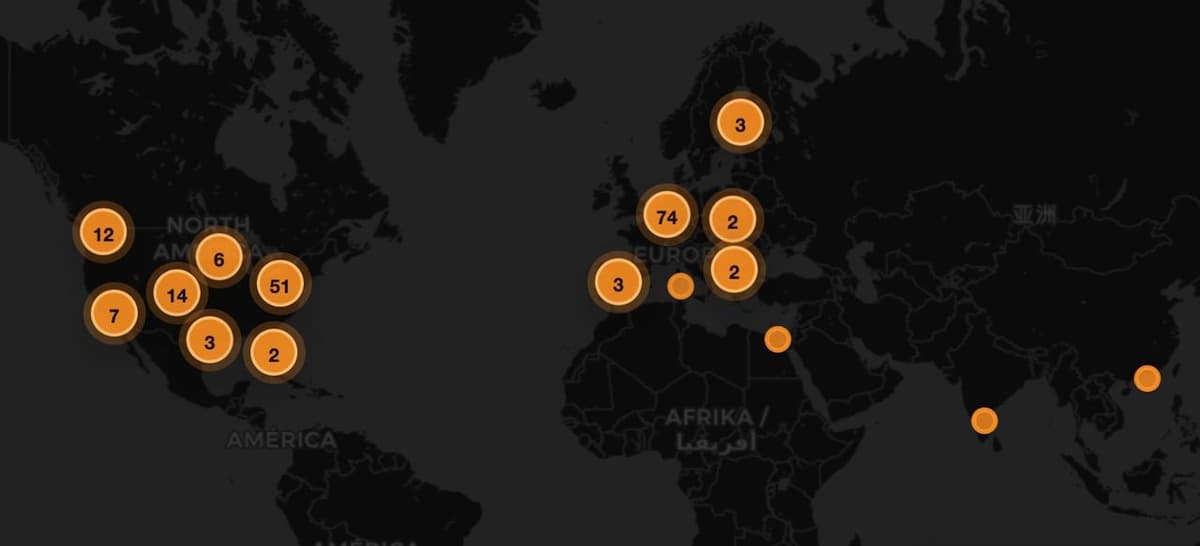
- •3dfabs lists 211 active printer fabs worldwide
- •Service operates fee‑free for both buyers and operators
- •Payments and logistics handled off‑platform, limiting liability
- •Revives distributed printing model abandoned by 3D Hubs
- •Enables hobbyist and small‑shop operators to access global market
Pulse Analysis
The distributed manufacturing concept first gained traction with 3D Hubs in 2013, when desktop printers were scarce and expertise limited. By aggregating a network of independent operators, the platform offered on‑demand printing without the capital outlay of owning a machine. After Proto Labs acquired 3D Hubs in 2021, the focus shifted toward large‑scale industrial contracts, leaving the original community of hobbyists and small shops without a dedicated marketplace. This gap set the stage for a revival of the peer‑to‑peer model.
3dfabs reintroduces the original ethos, but with modern refinements. Operators create a fab profile, list printer capabilities, and receive job requests that match their material and size constraints. The platform’s zero‑fee structure removes financial barriers, while the off‑platform payment arrangement transfers risk to the parties involved, a trade‑off that keeps the service lightweight and community‑focused. With 211 fabs spanning twelve countries, the network already offers a broad geographic reach, enabling faster lead times and localized production that can reduce shipping costs and carbon footprints.
For the broader additive‑manufacturing ecosystem, 3dfabs could catalyze a resurgence of decentralized production. Small enterprises and designers gain a scalable outlet for custom parts, while operators can monetize idle capacity, improving equipment utilization. This model also introduces resilience into supply chains, allowing rapid response to localized demand spikes without relying on centralized factories. As the market continues to mature, platforms like 3dfabs may become pivotal in democratizing access to advanced manufacturing technologies.
3dfabs Revives Distributed 3D Printing Network Model
0
Comments
Want to join the conversation?
Loading comments...