Analysis Finds Rapid Growth in 3DCP Adoption Across Multiple Regions
•February 27, 2026
0
Why It Matters
The surge in 3DCP adoption signals a paradigm shift toward automated, on‑site manufacturing, promising reduced labor costs and faster project timelines across the construction sector.
Key Takeaways
- •3DCP projects doubled in five years globally.
- •Netherlands leads in construction automation density.
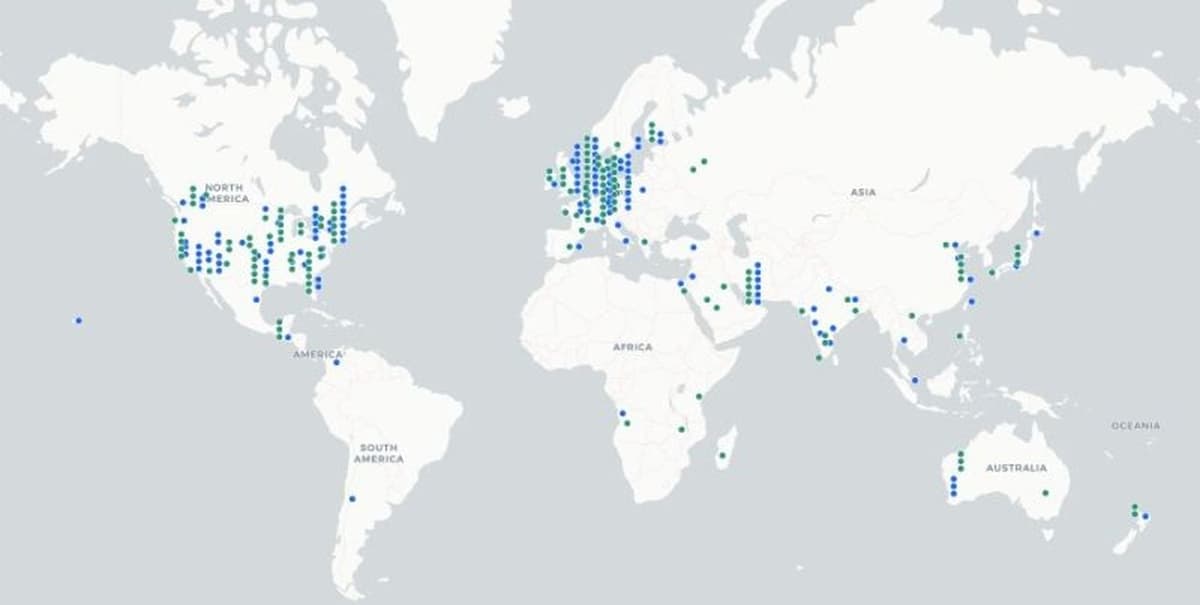
- •Major clusters: Gulf, Northern Europe, China, Japan, Australia, US coasts.
- •Regional firms drive adoption, limiting cross‑regional visibility.
- •Current data covers only half of known projects.
Pulse Analysis
Three‑dimensional concrete printing, commonly abbreviated as 3DCP, has moved from experimental labs to commercial job sites at an unprecedented pace. By extruding cementitious material layer‑by‑layer, the technology eliminates traditional formwork, cuts material waste, and enables complex geometries that would be costly with conventional methods. Over the last half‑decade, the cumulative installed base of 3DCP machines has expanded dramatically, driven by advances in printer reliability, software integration, and the growing availability of high‑performance concrete mixes. This technical maturation sets the stage for broader industry acceptance.
The latest mapping effort by journalist Jarret Gross highlights a distinctly regional adoption pattern. Dense activity clusters appear in the Persian Gulf, where oil‑rich economies invest heavily in offshore and high‑rise projects, and in Northern Europe, where sustainability mandates encourage off‑site fabrication. Asian powerhouses such as China and Japan contribute significant volumes, leveraging 3DCP for rapid urbanization. In the United States, both coasts and Texas exhibit strong uptake, reflecting the presence of large construction firms capable of deploying massive printers. The Netherlands stands out as a micro‑hub of innovation, with multiple firms experimenting simultaneously.
These geographic concentrations have strategic implications for investors and policymakers. As regional firms standardize 3DCP workflows, supply chains for robotics, concrete additives, and digital design tools will likely consolidate, creating economies of scale and lowering entry barriers. Faster build times and reduced labor dependence could reshape project economics, especially in markets facing skilled‑worker shortages. Moreover, the anticipated release of the full dataset—potentially doubling current project counts—suggests that the technology is moving from niche to mainstream. Stakeholders should monitor regulatory developments and standards that will govern safety and quality in automated construction.
Analysis Finds Rapid Growth in 3DCP Adoption Across Multiple Regions
0
Comments
Want to join the conversation?
Loading comments...