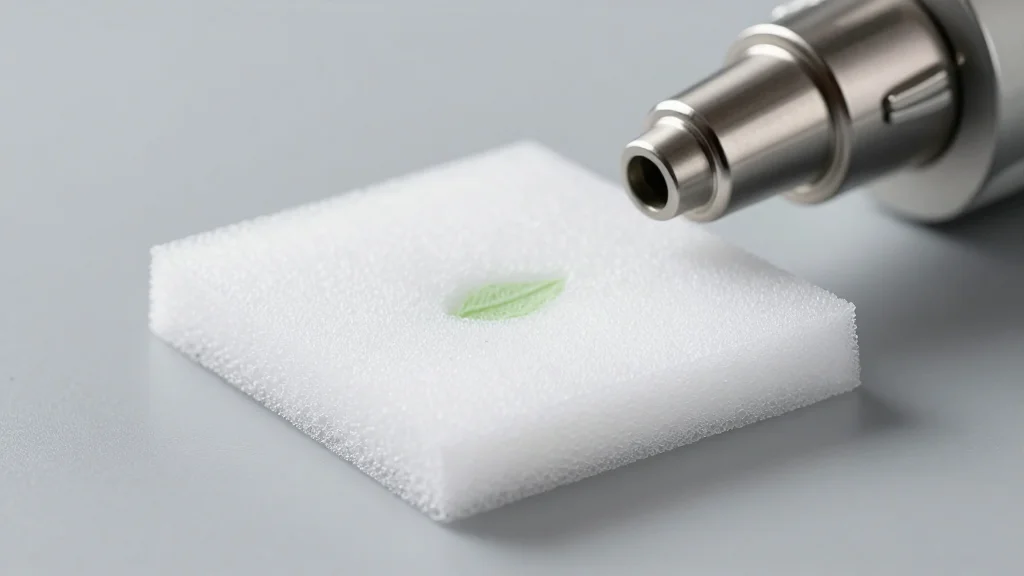
Bio-Based Foam Replaces Petroleum-Based Materials - without Changing Production Processes
Key Takeaways
- •xPBS foam matches PE density, enabling direct substitution
- •Can be processed on existing extrusion lines, no new equipment needed
- •Bio‑based PBS is biodegradable, recyclable, reducing carbon footprint
- •Fraunhofer consortium achieved pilot‑scale production, proving industrial feasibility
- •xPBS‑food project targets sustainable food‑packaging market
Pulse Analysis
The extrusion foam sector, dominated by low‑density polyethylene (LDPE), faces mounting pressure from regulators and consumers to cut carbon emissions and adopt recyclable materials. Polybutylene succinate (PBS), a bio‑based polyester derived from renewable feedstocks, has emerged as a viable alternative, but earlier attempts struggled with processing compatibility. The recent xPBS project, led by Fraunhofer’s CCPE institutes, bridges that gap by delivering a PBS‑based foam that can be produced on standard extrusion equipment, offering manufacturers an immediate route to greener products without capital‑intensive upgrades.
Performance metrics show xPBS achieving densities and mechanical strength comparable to conventional LDPE foams, ensuring that packaging, protective padding, and construction applications retain their protective qualities. Because PBS remains a thermoplastic, it can be melted, reshaped, and recycled using existing infrastructure, while its biodegradability adds an end‑of‑life advantage. The drop‑in nature of the material eliminates the need for line retrofits, translating sustainability goals into cost‑neutral or even cost‑saving initiatives for high‑volume producers.
The commercial impact is significant. Companies adopting xPBS can pre‑empt tightening EU and US regulations on plastic waste and claim verifiable carbon‑reduction credentials, strengthening brand positioning. The follow‑on xPBS‑food initiative extends the technology to food‑grade packaging, a segment projected to grow rapidly as retailers demand single‑material, recyclable solutions. As pilot‑scale plants move toward full‑scale production, the market is poised for a swift shift from fossil‑based foams to bio‑based alternatives, reshaping supply chains across multiple industries.
Bio-based foam replaces petroleum-based materials - without changing production processes
Comments
Want to join the conversation?