Canadian APMA Unveils Two 3D-Printed Electric SUV Demonstrators Under Project Arrow Initiative
•February 23, 2026
0
Why It Matters
The demonstrators signal a shift toward additive manufacturing in the Canadian EV sector, potentially accelerating supplier adoption and reducing assembly complexity. This could give Canada a competitive edge in the global electric‑vehicle supply chain.
Key Takeaways
- •Project Arrow unveiled two 3D‑printed EV SUV prototypes
- •Each SUV offers 550 km range and Level 3 autonomy
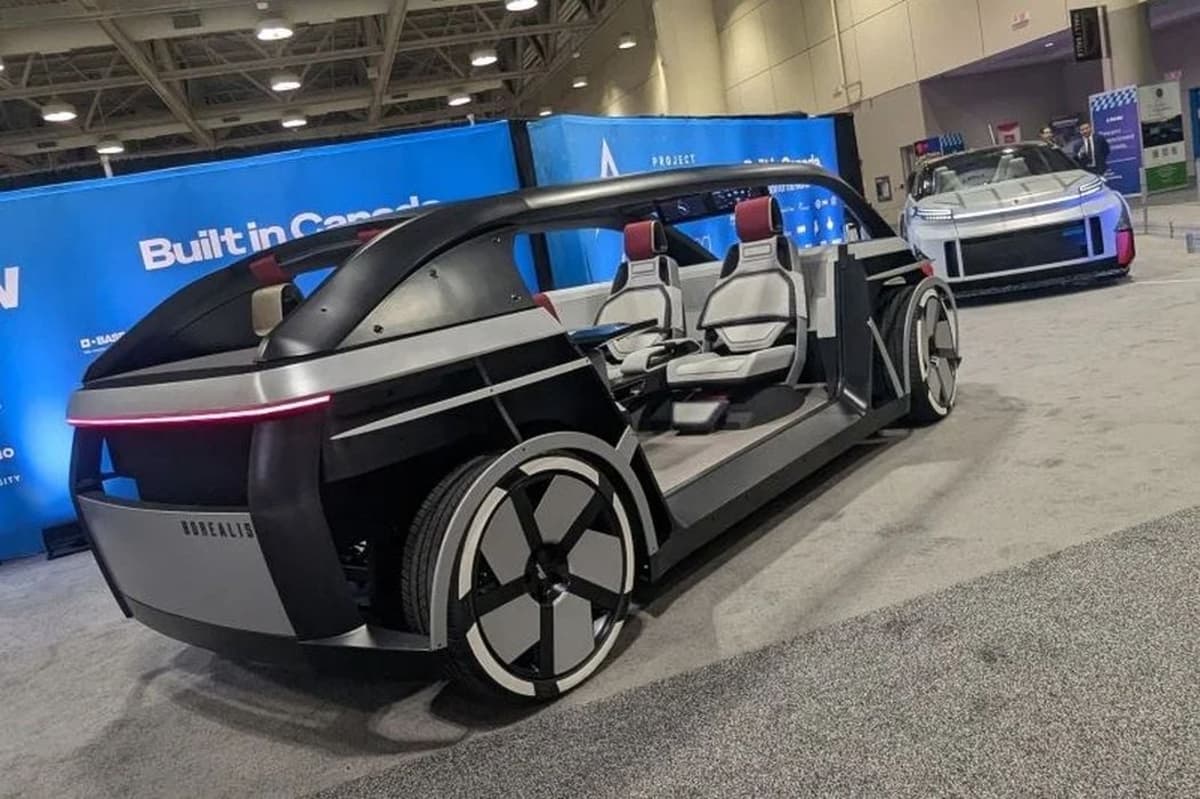
- •Seats face inward, reflecting driver‑less design
- •Parts integrate built‑in cable conduits for simplified assembly
- •Demonstrators aim to attract parts‑supplier contracts in Canada
Pulse Analysis
Additive manufacturing has moved from niche experiments to a credible pathway for automotive innovation, and Canada is positioning itself at the forefront. The Project Arrow initiative builds on earlier attempts like the Urbee and Local Motors, but it distinguishes itself by delivering fully electric SUVs with integrated structural and electrical designs. By printing chassis, body panels, and functional conduits in a single process, the prototypes reduce part count, lower tooling costs, and enable rapid design iterations—advantages that traditional stamping and welding cannot match.
The two demonstrators, Vector and Borealis, showcase more than just aesthetic novelty. Their 550‑kilometre electric range aligns with current market expectations for midsize SUVs, while Level 3 autonomous capability hints at future mobility models where occupants face each other in a lounge‑style cabin. The built‑in cable pathways and modular connectors illustrate how 3D printing can streamline assembly lines, cutting down on manual wiring and potential errors. For parts manufacturers, this represents an opportunity to shift from component fabrication to delivering ready‑to‑install, function‑integrated modules.
From a strategic perspective, the prototypes serve as a marketing tool for the Canadian automotive supply chain, aiming to secure contracts with global OEMs seeking low‑volume, high‑customization solutions. Although mass production remains distant, the visibility generated at the trade show could catalyze partnerships, government funding, and further research into scalable additive processes. If the industry embraces these methods, Canada could emerge as a hub for next‑generation EV components, reinforcing its role in the evolving electric‑vehicle ecosystem.
Canadian APMA Unveils Two 3D-Printed Electric SUV Demonstrators Under Project Arrow Initiative
0
Comments
Want to join the conversation?
Loading comments...