Doozy Robotics to Scale Physical AI Workforce Worldwide
Key Takeaways
- •Doozy expands to U.S., GCC, and Asia ahead of Series A
- •Eywa-OS orchestrates robots via natural‑language commands for real‑time decisions
- •Industrial Super Humanoid launches Q3 2026, targeting high‑payload factory tasks
- •RaaS model turns robot fleets into subscription‑based operational services
- •Secured $144 million MOU and $200 million pipeline with global industrial customers
Pulse Analysis
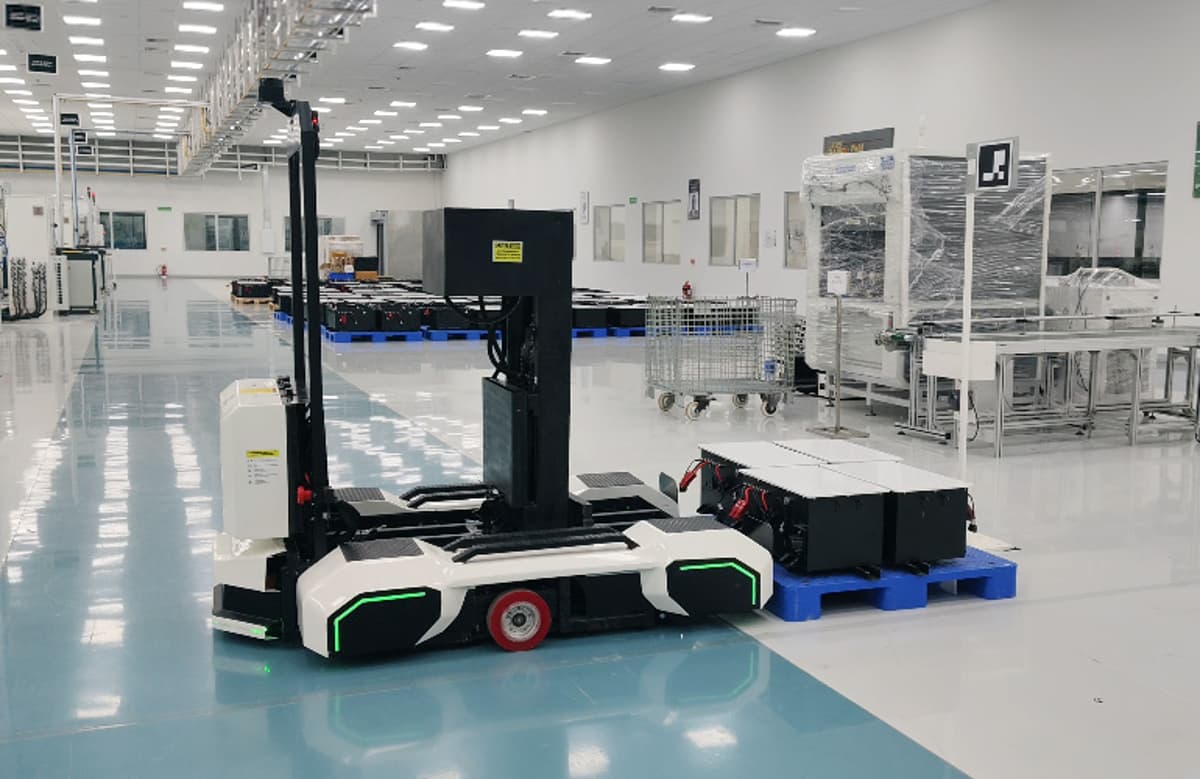
The manufacturing sector faces a demographic crunch: nearly half of the U.S. workforce is over 45 and Gen Z accounts for just 8 percent of hires. Analysts estimate the shortage could shave more than $1 trillion from GDP by 2030. Doozy Robotics positions its physical AI suite as a countermeasure, offering machines that can operate continuously without the recruitment challenges that human labor now presents. By bundling autonomous mobile robots, forklifts and a high‑payload humanoid, the company creates a cohesive workforce capable of handling repetitive, heavy‑lifting and precision tasks traditionally reserved for skilled operators.
At the heart of Doozy’s offering is Eywa‑OS, an agentic orchestration layer that interprets high‑level production goals and reallocates assets in real time. Unlike conventional fleet managers, Eywa‑OS accepts natural‑language inputs—allowing floor managers to issue commands via chat or email—and autonomously resolves scheduling conflicts, optimizes routing, and pinpoints loss points that erode up to 20 percent of manufacturing value. The subscription‑based RaaS model further lowers entry barriers, converting multi‑million‑dollar capital outlays into predictable monthly expenses that can scale with demand fluctuations, a compelling proposition for midsize factories seeking agility.
Investors have taken note, with Doozy securing a $144 million memorandum of understanding and a $200 million qualified pipeline, while backing from firms like Cocoon Capital underscores confidence in its growth trajectory. Early adopters such as Daimler, Carrier and a leading U.S. pharmaceutical company are already piloting the technology, reporting up to 50 percent reductions in operational footprint compared with traditional forklifts. As the company rolls out across the U.S., GCC and Asia, its integrated ecosystem could set a new benchmark for industrial automation, prompting incumbents to rethink legacy ERP and MES solutions in favor of AI‑driven, subscription‑friendly platforms.
Doozy Robotics to scale physical AI workforce worldwide
Comments
Want to join the conversation?