Dual Laser LPBF Targets Support Free Overhang Quality
•March 6, 2026
0
Key Takeaways
- •Dual-laser LPBF splits overhang and support zones.
- •Micro-beam prints overhangs with 10‑40 µm spot, thin layers.
- •High-power beam builds bulk support using thicker layers.
- •Improves overhang surface quality without full μLPBF slowdown.
- •Requires precise powder handling and software partitioning.
Summary
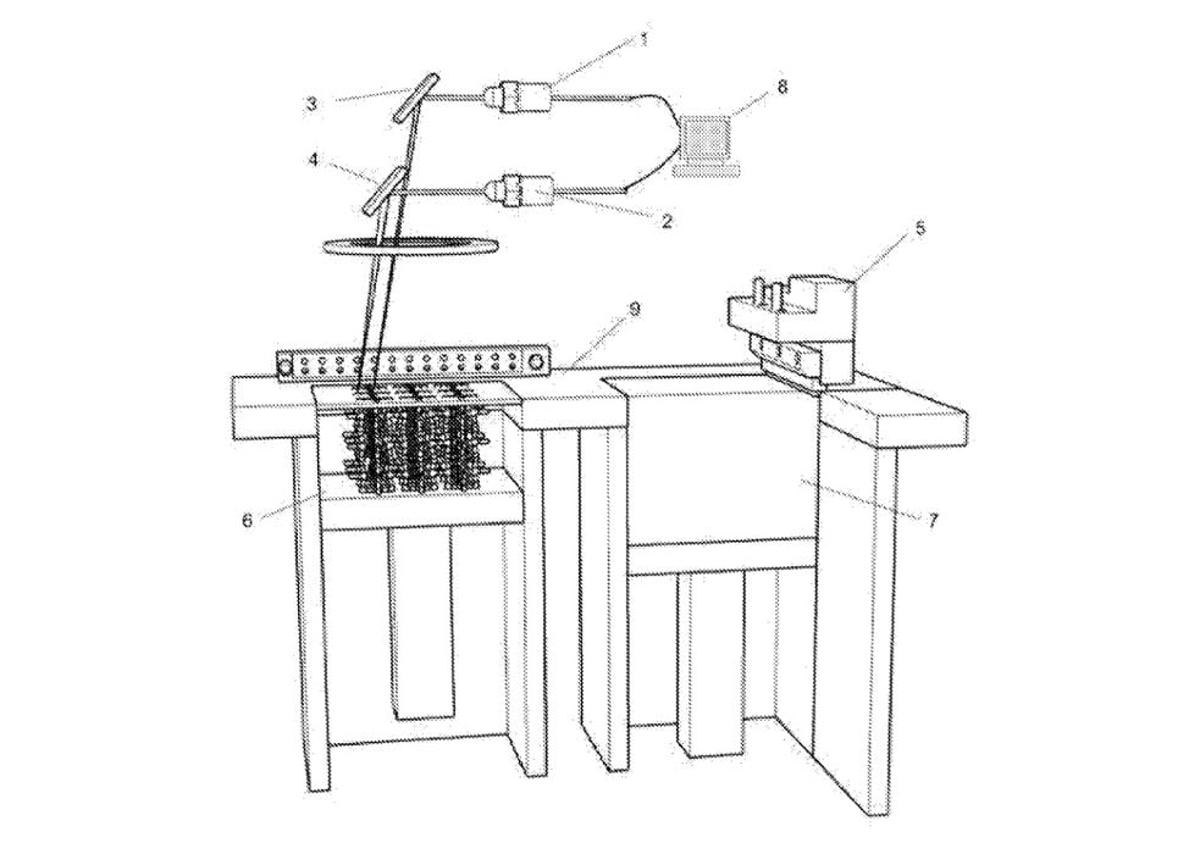
A patent from Nanjing University of Aeronautics and Astronautics proposes a dual‑laser LPBF system that treats overhangs and bulk support as separate manufacturing problems. The low‑power micro‑laser (10‑40 µm spot, 10‑15 µm layers) prints overhang regions, while a high‑power, larger‑spot laser (60‑100 µm, thicker layers) rapidly builds the support mass. By alternating between the two regimes, the approach aims to achieve support‑free overhang quality without sacrificing overall build speed. The concept targets aluminum alloys and claims improved surface finish and defect reduction, though commercial viability remains unproven.
Pulse Analysis
Overhangs have long been the Achilles’ heel of metal powder‑bed fusion, where insufficient support leads to melt‑pool instability, dross formation, and reduced fatigue life. Conventional remedies—adding sacrificial supports or shifting to micro‑LPBF—either increase labor and material waste or cripple throughput. As manufacturers push aluminum alloys into aerospace and automotive applications, the need for a balanced solution that preserves surface integrity while maintaining productivity has become acute.
The dual‑laser architecture tackles this dilemma by assigning distinct process windows to overhang and bulk regions. A low‑power, 10‑40 µm micro‑laser operates with ultra‑thin layers (10‑15 µm) and high scan speeds, delivering the fine resolution required for clean down‑skin surfaces. Simultaneously, a high‑power, 60‑100 µm laser deposits thicker layers (30‑45 µm) at comparable hatch spacing, rapidly filling the interior and support zones. This alternating regime not only mitigates the thermal gradients that cause overhang defects but also leverages the larger beam to remelt the interface, enhancing adhesion and density.
From a market perspective, the technology could differentiate LPBF providers seeking to serve niche segments such as lattice‑rich components, micro‑structured parts, and high‑performance aluminum alloys. However, implementation hinges on reliable powder handling for 2‑20 µm particles, robust recoating across variable layer thicknesses, and sophisticated software that correctly partitions geometry. If these challenges are addressed, the dual‑laser concept may become a strategic lever, enabling manufacturers to achieve near‑micro‑LPBF quality where it matters most while preserving the economics of conventional build rates.
Comments
Want to join the conversation?