Flashforge’s Hidden Filament Cutter Reclaims FFF Build Area
•March 6, 2026
0
Key Takeaways
- •Cutter retracts outside build area, freeing corner space
- •Deploys via linkage, no extra motor needed
- •Reduces collision risk and firmware guardrails
- •Slight cycle‑time cut improves high‑volume production
- •Removable module eases maintenance and wear replacement
Summary
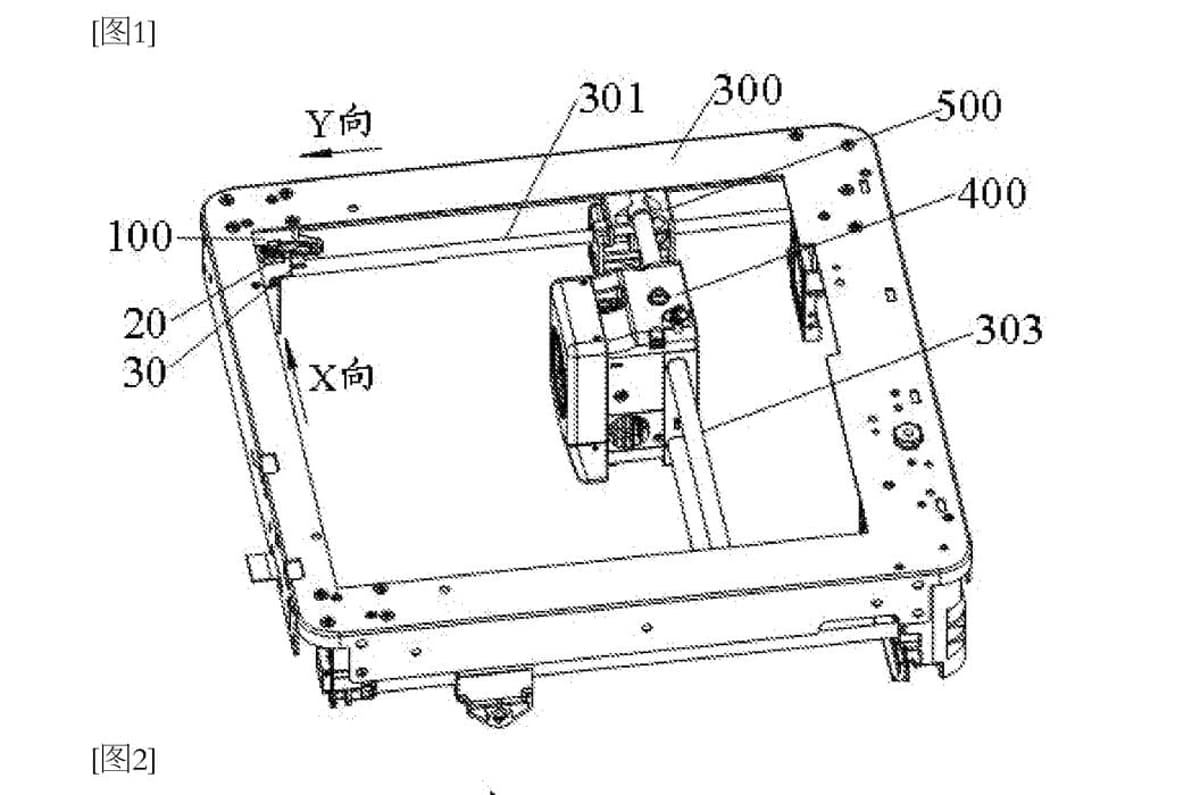
Flashforge has filed a patent for a retractable filament cutter that stays outside the printable envelope until needed. The mechanism mounts on the printer frame and swings into the build area via a linkage, eliminating the permanent post that occupies a corner of the bed. By removing this fixed obstacle, the design reclaims usable build volume, reduces collision risk, and can shave cycle time during material swaps. The patent also describes a removable module and passive buffering to handle overshoot without motor stalls.
Pulse Analysis
The hidden filament cutter represents a nuanced evolution in fused‑filament fabrication, targeting a long‑overlooked source of dead‑zone loss. Traditional cutters sit permanently in a printer corner, forcing manufacturers to deduct that space from advertised build volumes and to program firmware guardrails that prevent accidental contact. By relocating the cutter to the frame and only deploying it on demand, Flashforge can claim a truer usable envelope, an advantage that resonates with users of compact desktop units and with OEMs marketing "full" build areas.
Beyond space reclamation, the patent’s mechanical approach offers operational efficiencies. The linkage‑driven swing leverages existing motion, allowing the cutter to be positioned while the carriage is already moving toward the cut location. This overlap reduces the idle time associated with material changes, a benefit that compounds in high‑mix production runs where dozens of swaps may occur per job. Additionally, the built‑in buffering system absorbs overshoot forces, protecting stepper motors from stalls and extending component lifespan—critical for high‑acceleration printers that push the limits of speed and precision.
From a market perspective, the innovation aligns with trends toward smaller footprints and faster throughput. As manufacturers seek to differentiate their machines without major redesigns, a removable, wear‑resistant cutter module offers a low‑cost upgrade path and simplifies maintenance. Moreover, the ability to advertise a truly maximized build volume can influence buyer decisions in a crowded FFF landscape. While the reclaimed area may be modest in absolute terms, the cumulative impact on reliability, speed, and perceived value positions Flashforge’s patent as a strategic, if understated, competitive lever.
Comments
Want to join the conversation?