From Whiteboards to 600 kW Racks: Reindustrializing America with Data Layers and High-Value Assembly
Key Takeaways
- •50 software systems per plant cause siloed decisions, limiting productivity.
- •Unified data layer enables AI to boost utilization by up to 20%.
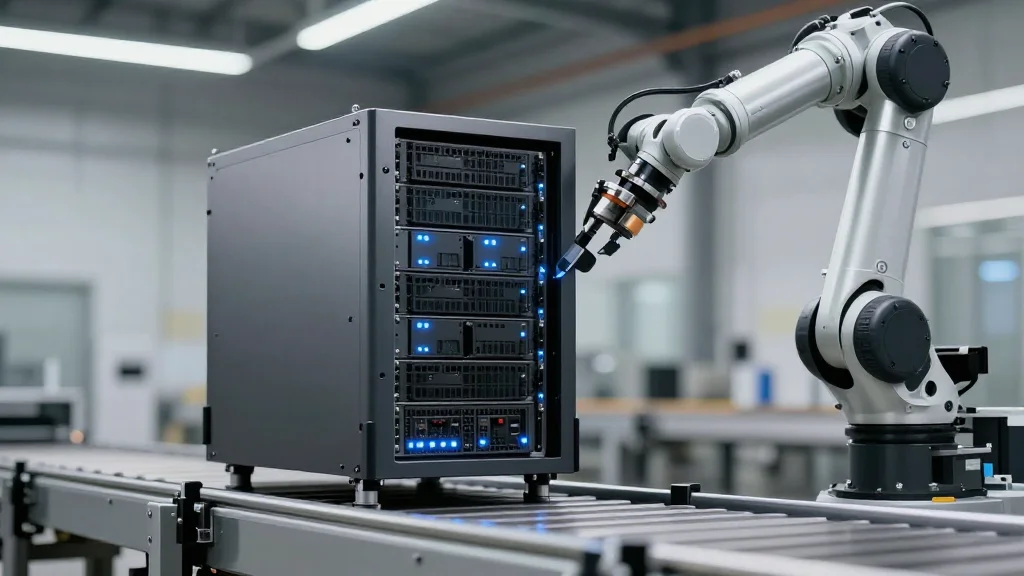
- •Flex’s new Texas plant will draw 50 MW, assembling 600 kW AI racks.
- •600 kW rack power equals electricity for roughly 1,000 U.S. homes.
- •400,000 manufacturing vacancies require apprenticeship and immigration policy reforms.
Pulse Analysis
The manufacturing renaissance in the United States is no longer about adding more robots or expanding floor space; it is about wiring the factory floor with a clean, interoperable data layer. By decoupling information from legacy MES, ERP, and APM systems, companies can feed real‑time telemetry into AI orchestrators that predict absenteeism, flag sub‑optimal machine conditions, and dynamically re‑balance production mixes. This approach promises to lift true utilization rates from the current 30‑50% range toward the 80‑90% benchmark that many firms only claim on paper.
Flex’s upcoming 50‑megawatt campus near Austin exemplifies the next phase of nearshoring: high‑complexity, high‑value assembly of AI hardware that demands power densities unheard of in traditional electronics. A single 600‑kilowatt rack can power an estimated 1,000 American homes, forcing manufacturers to treat the plant as an extension of a data center, complete with advanced liquid‑cooling and grid‑scale power infrastructure. This shift not only creates a domestic supply chain for AI infrastructure but also spurs investment in grid modernization, thermal‑management research, and localized energy solutions.
However, the technical leap cannot outpace the human capital shortage. With roughly 400,000 open manufacturing positions, the industry faces a bottleneck that could stall the momentum of data‑driven factories. Public‑private apprenticeship models that focus on targeted, hands‑on skills, combined with immigration reforms that attract global engineering talent, are essential to fill the gap. Companies that align their data strategies with robust talent pipelines will be best positioned to dominate the emerging AI‑powered manufacturing landscape.
From Whiteboards to 600 kW Racks: Reindustrializing America with Data Layers and High-Value Assembly
Comments
Want to join the conversation?