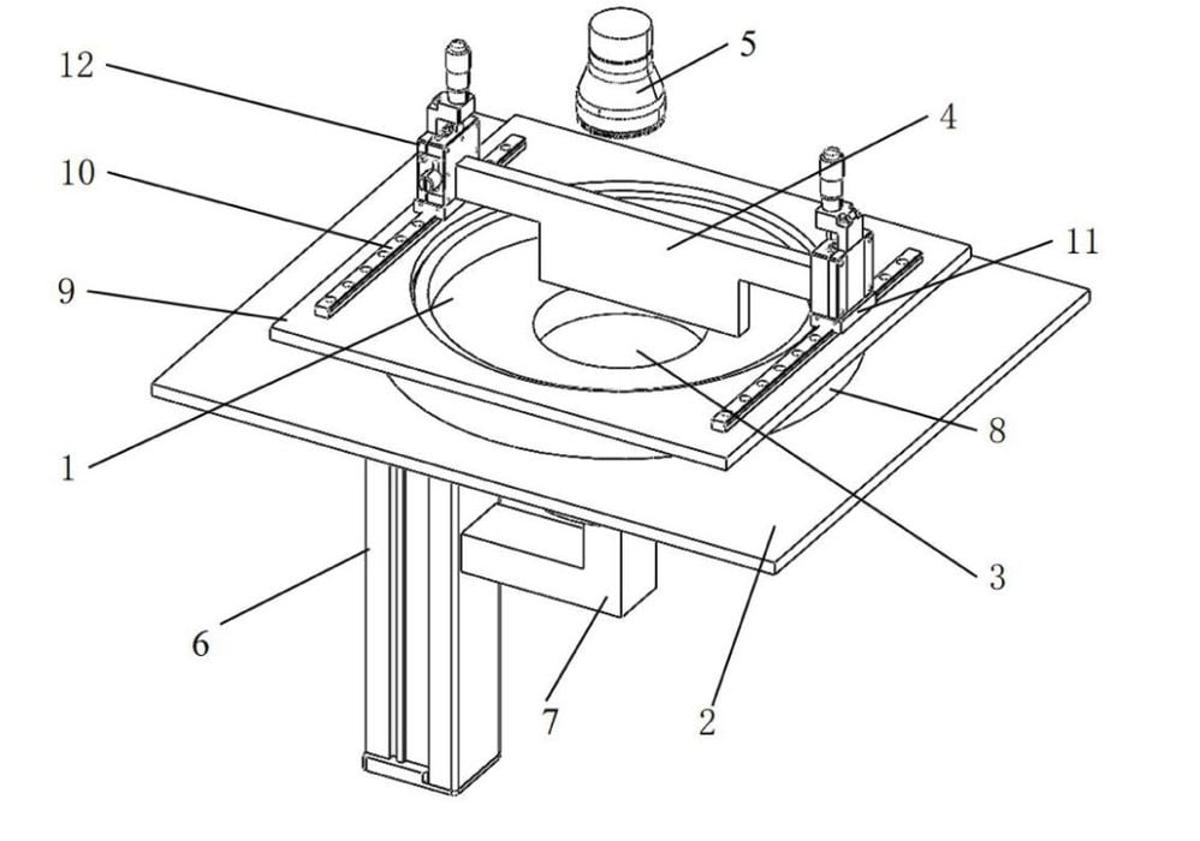
HKUST Patent Targets Multi Directional DLP Coating
Key Takeaways
- •Multi‑directional blade sweeps resin from several angles
- •Enables printing of high‑viscosity, filler‑filled photopolymers
- •Reduces streaks and orientation bias in cured layers
- •Supports functional materials like carbon‑nanotube and liquid‑crystal resins
- •Could spur commercial development of new advanced resin formulations
Pulse Analysis
Digital Light Processing (DLP) has become a workhorse for rapid prototyping, yet its growth is constrained by the recoating process. Traditional top‑down printers rely on gravity or a single‑direction blade to spread resin, which works well for low‑viscosity formulations but falters with thicker, filler‑rich mixtures. HKUST’s patent introduces a rotary‑linear recoater that can sweep the vat from multiple angles, ensuring a consistent film even when the resin behaves like a paste. This mechanical innovation directly addresses the layer‑uniformity bottleneck that limits the use of high‑performance photopolymers.
The multi‑directional system is especially valuable for anisotropic fillers such as carbon nanotubes, liquid‑crystal molecules, or short fibers. These additives can dramatically boost conductivity, stiffness, or optical characteristics, but they also increase viscosity and cause directional settling. By rotating the scraper blade while moving it linearly, the printer can break up clumps, prevent streak formation, and control filler orientation more precisely. The result is a more reliable cure, tighter dimensional tolerances, and repeatable material properties—critical factors for aerospace, electronics, and medical device applications where performance consistency is non‑negotiable.
From a market perspective, the ability to reliably process viscous, functional resins could open a new segment of high‑value 3D‑printing services. Resin manufacturers have been hesitant to launch advanced formulations due to printability concerns; a robust recoating solution removes that barrier, encouraging R&D investment in novel chemistries. Competitors may adopt similar multi‑axis recoaters, but HKUST’s early patent filing gives it a strategic foothold. As industries seek lightweight, conductive, or thermally stable components, this technology could become a catalyst for broader adoption of functional photopolymers in production‑scale additive manufacturing.
HKUST Patent Targets Multi Directional DLP Coating
Comments
Want to join the conversation?